Stella Matutina Museum
Stella Matutina Museum
Set in a 19th-century sugar factory in Saint-Leu, the Stella Matutina Museum explores the history of sugarcane, slavery, and Réunion's Creole culture through period machinery and ethnographic collections.
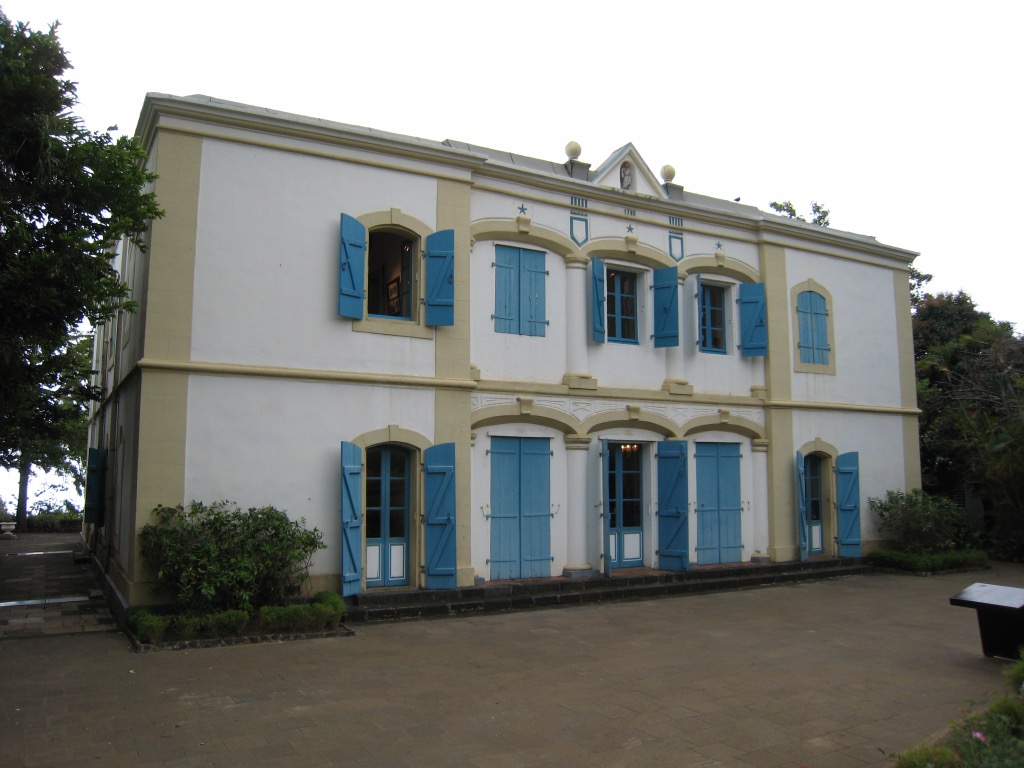
Housed in a former 19th-century sugar factory, the Stella Matutina Museum chronicles the history of sugarcane and Réunion's Creole world. Its listed industrial buildings, period machinery, and ethnographic collections make it one of the island's most comprehensive museums. The site is located in Saint-Leu, on Réunion's west coast, just minutes from the town center.
Practical Information at a Glance
- Admission: Paid entry (reduced rates for children and groups)
- Recommended duration: 2 to 3 hours to explore the entire site
- Access: By car from Saint-Leu, on-site parking; accessible from Saint-Denis via RN1
- Dress code: No specific clothing restrictions
- Disability access: Partially accessible (ground floors of main buildings)
What to See
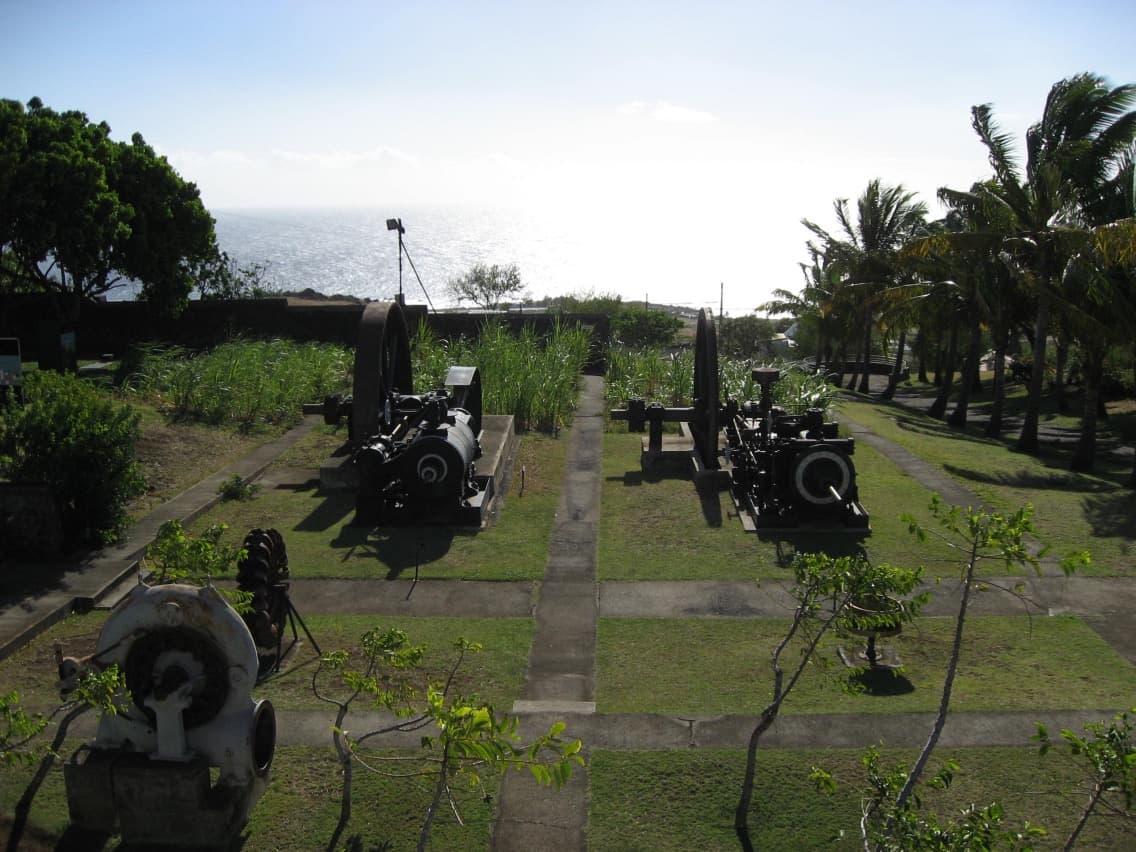
The museum occupies the former buildings of the Stella Matutina sugar factory, which operated until 1978. Here you'll discover original steam engines, boilers, sugarcane mills, and crystallization vats, preserved in partial working order. The collections also document the daily lives of indentured laborers, the history of slavery, and Creole culture more broadly.
History and Context
The Stella Matutina factory ("morning star" in Latin) was founded in the 19th century. It concentrated sugar production from several properties along the west coast until its closure. Converted into a museum in the 1990s, it is now managed by the Department of Réunion. The site illustrates the plantation economy that shaped Réunion's society, marked first by slavery and then by indentured labor.
Highlights of the Visit
The Machinery Hall
The industrial heart of the museum: turbines, steam boilers, and sugarcane mills fill an impressive nave. Panels explain each step of transforming cane into raw sugar.
The Ethnographic Collections
Everyday objects, clothing, agricultural tools, and archival documents reconstruct the lives of the diverse communities—African, Malagasy, Indian, and Chinese—who populated the island. One section is dedicated to the history of slavery and its abolition in 1848.
The Park and Outbuildings
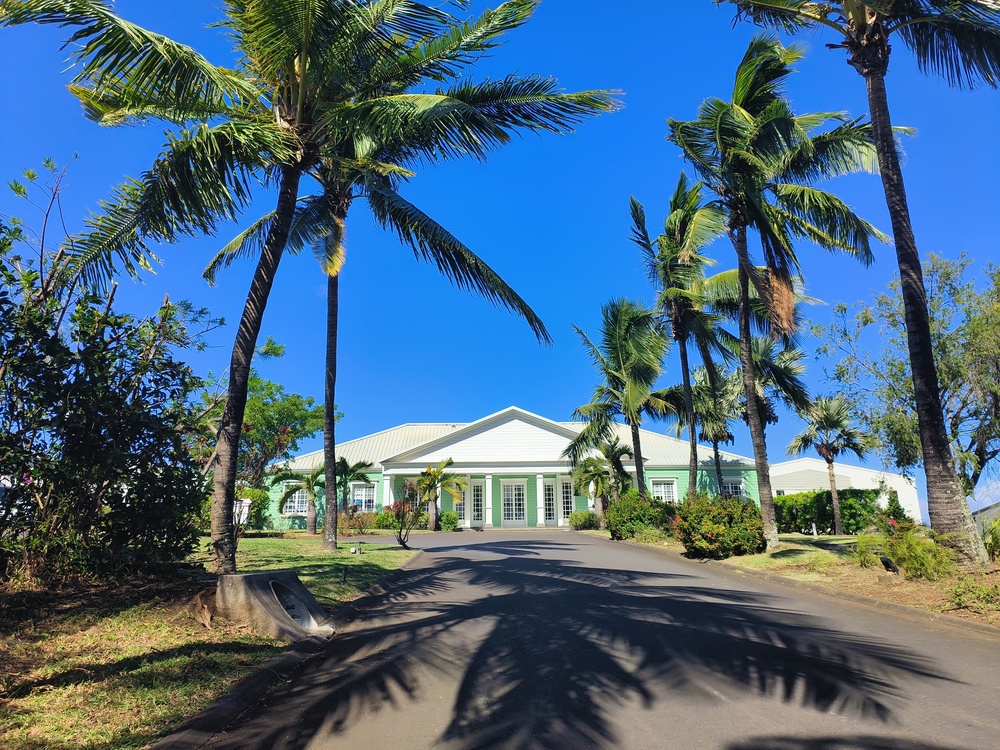
Surrounding the factory, the park planted with sugarcane and tropical vegetation illustrates the agricultural cycle. Several annexe buildings (warehouses, period dwellings) complement the outdoor tour.
Photography Tips
Natural light filters well into the machinery hall mid-morning. Gears and copper vats offer striking compositions. Outside, volcanic stone facades and chimneys photograph beautifully in the late afternoon, with the west coast's raking light.
Location and Access
The museum sits at the northern exit of Saint-Leu, along RN1. From Saint-Denis, allow around 50 km southwest. From Saint-Pierre, the route via the Tamarins road is shorter. Parking is available on-site. Saint-Leu's town center and lagoon are a few minutes away on foot or by car.
Nearby Attractions
- Saint-Leu Lagoon — one of the island's best-preserved lagoons, ideal for diving and snorkeling.
- Kélonia — sea turtle observatory in Saint-Leu, a few kilometers south.
- Mascarin National Botanical Conservatory — botanical garden dedicated to Réunion's endemic flora, in Saint-Leu.
- Saint-Leu Beach — sandy beach protected by the reef, lively on weekends.
Frequently asked questions
The museum is open year-round. The dry season (May to November) is more pleasant for exploring the outdoor park. During the austral summer, showers can be frequent but do not affect visits to the indoor galleries.
Allow 2 to 3 hours to tour the indoor galleries and park. Those passionate about industrial history or Creole culture can easily spend half a day here.
Yes. Period machinery and reconstructions of daily life capture children's attention. Certain educational activities are offered at various times; inquire at the reception desk.
Absolutely. Kélonia (sea turtle observatory) and Saint-Leu Lagoon are minutes away. The Mascarin Botanical Conservatory rounds out a day focused on nature and culture beautifully.
Photography is generally allowed for personal use. Flash or tripod use may require permission; check with reception upon arrival.
The museum has a shop offering local products and books on Réunion's history. For dining, Saint-Leu's town center provides several nearby options.
Photos
Nearby
Interested in this visit?
We can include it in your personalised itinerary.