Musée de Villèle
Musée de Villèle
The Panon-Desbassayns estate at Villèle (Saint-Paul) is one of Réunion's best-preserved colonial domains. A furnished master's house, outbuildings, Pointue Chapel and gardens trace the island's sugar and memorial history.
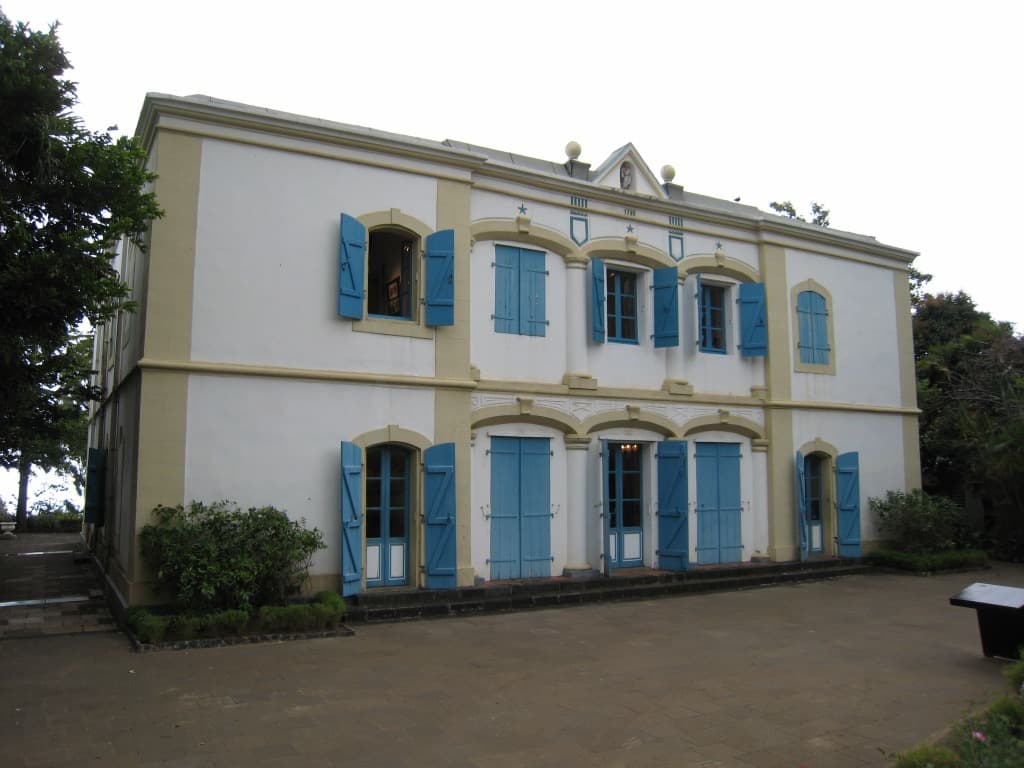
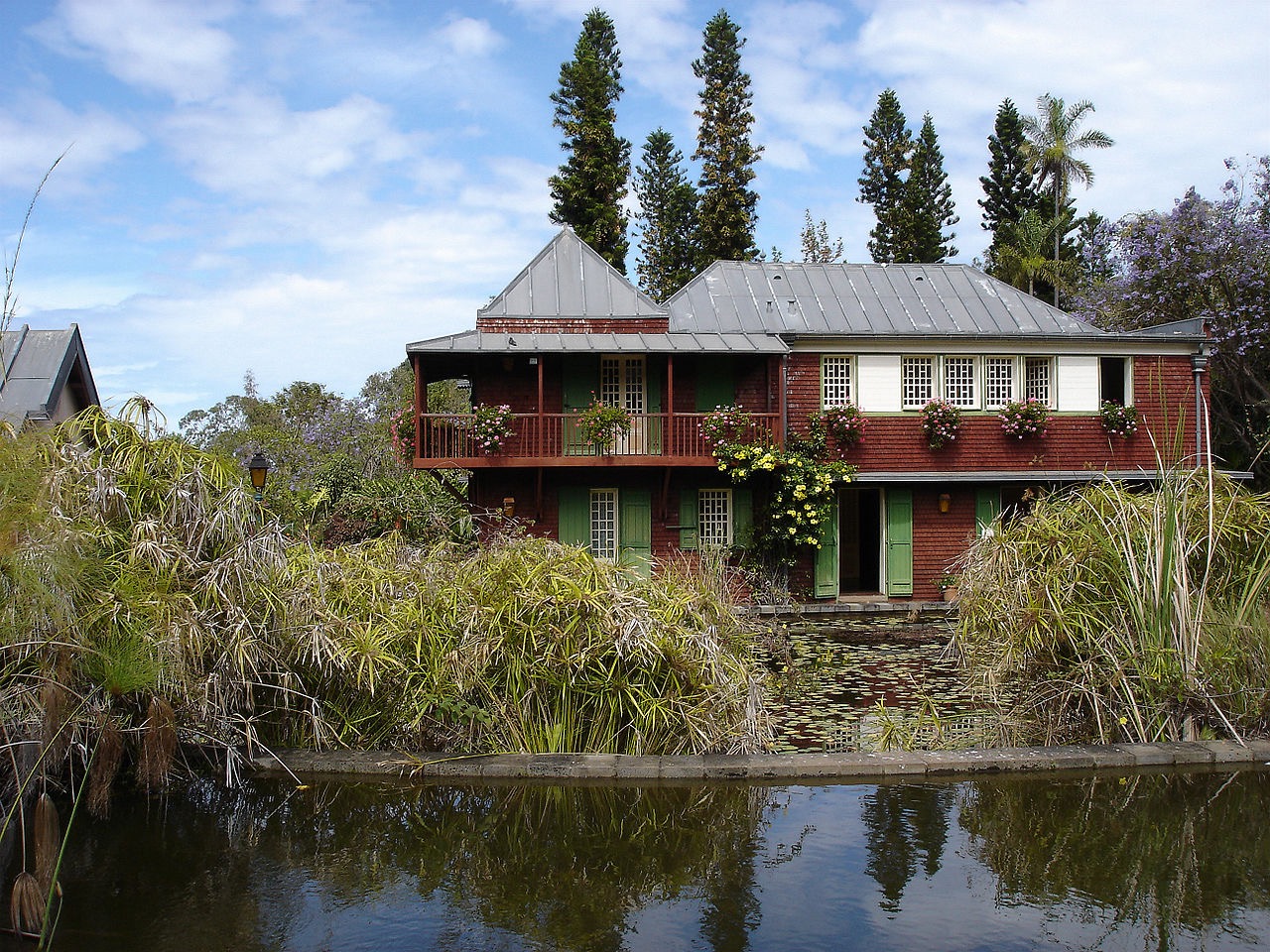
Musée de Villèle occupies the former Panon-Desbassayns sugar estate in Saint-Paul, perched in the heights of Villèle. This 18th-century domain stands as one of Réunion's rare preserved colonial complexes: a master's house, chapel, outbuildings and gardens that chronicle the island's slavery and sugar economy.
Quick Info at a Glance
- Admission: Paid entry (reduced rates for children and groups)
- Suggested duration: 1 h 30 to 2 hours to explore the entire estate
- Dress code: No specific dress restrictions, but comfortable walking shoes recommended for outdoor paths
- Access: By car from Saint-Paul via the Villèle road; parking on-site
- Accessibility: Partially accessible (ground floor of master's house and gardens)
What to See
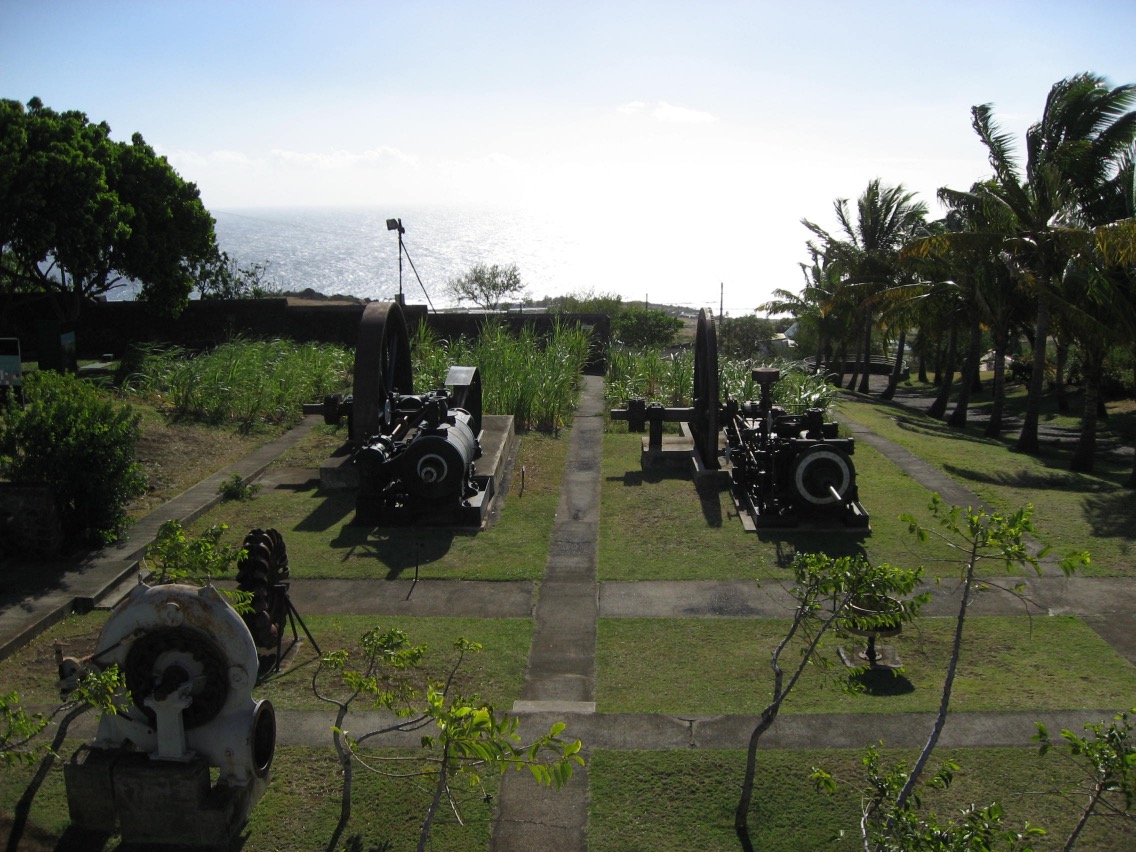
The estate comprises several distinct buildings and spaces. The furnished master's house illustrates the lifestyle of major creole landowners. The outbuildings house collections depicting enslaved people's lives, agricultural tools and sugar production. The Pointue Chapel, visible from the road, is a distinctive architectural landmark in the neighborhood.
The gardens preserve heritage plant species and offer open views across the island's west coast.
History and Context
The estate belonged to Marie-Anne Morin, wife of Desbassayns, a controversial figure in Réunion's history: a major landowner, she managed one of the island's largest sugar operations in the early 19th century, built on the labor of countless enslaved people.
After slavery's abolition in 1848, the domain gradually declined. Classified as a historic monument, it was restored and opened to the public under the management of Réunion's Department. The museum directly addresses slavery's memory, a central subject in Réunion's identity.
Visit Highlights
The Master's House
Reconstructed rooms—living area, bedroom, kitchen—provide a precise image of creole bourgeois life. Furnishings, everyday objects and family portraits anchor visitors in the period.
Slavery Collections
Tools, archival documents and material testimonies displayed in the outbuildings form the museum's memorial core. The presentation is sober and factual, without spectacle.
The Pointue Chapel
Built in the early 19th century, this private chapel with its distinctive steeple is one of Saint-Paul's most photographed religious buildings. It remains visible from outside the estate even outside opening hours.
Gardens and Views
Shaded paths and lawns offer rest between galleries. On clear days, the panorama across the west coast and Saint-Paul's lagoon is crisp and unobstructed.
Photography Tips
Morning light is ideal for the master's house façade, which faces east. The Pointue Chapel stands out best in late afternoon, when low-angle light emphasizes the stone's texture. Interior rooms have dim lighting: a camera capable in low light or a lightweight tripod proves useful.
Location and Access
The museum lies in the Villèle neighborhood, in the municipality of Saint-Paul, a few kilometers south of the town center. It's easily reached by car from the national road running along the west coast. Parking is free on-site. Public transport serves Saint-Paul, but connections to Villèle remain limited: check local schedules before traveling without a vehicle.
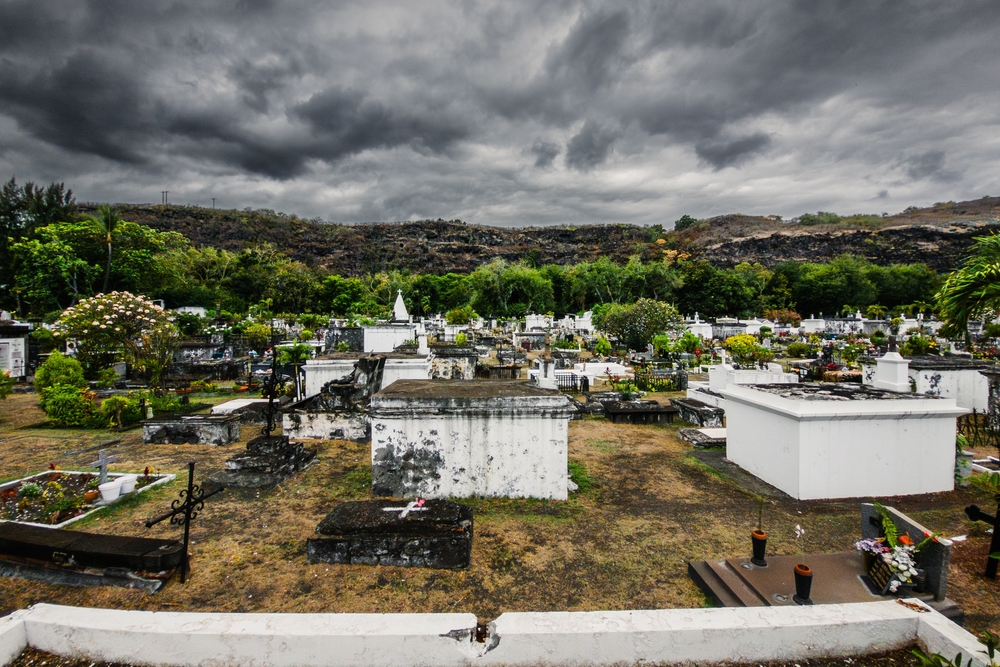
Nearby, the Saint-Paul marine cemetery and Saint-Paul's seafront easily round out a day's visit.
Nearby
- Saint-Paul Marine Cemetery — one of the island's oldest cemeteries, where poet Leconte de Lisle is buried.
- Saint-Paul Market — large creole market by the sea, lively Friday and Saturday mornings.
- Boucan Canot Beach — patrolled west coast beach, popular for swimming and surfing.
Frequently asked questions
The museum welcomes visitors year-round. The dry season (May to November) is more pleasant for exploring outdoor gardens without rain risk.
Allow 1 h 30 to 2 hours to tour the master's house, outbuildings and gardens at a relaxed pace.
Yes, the gardens and discovery of colonial life appeal to families. The slavery collections benefit from parental guidance for younger visitors.
Easily. The marine cemetery and Saint-Paul market are minutes away by car and make for a good half-day of culture on the west coast.
Photography is generally permitted for personal use. Check the rules at the entrance desk, especially for temporary exhibition galleries.
Guided tours are offered, particularly for school groups. Contact the museum directly for availability and booking details.
Photos
Nearby

Interested in this visit?
We can include it in your personalised itinerary.