15 articles to prepare your trip
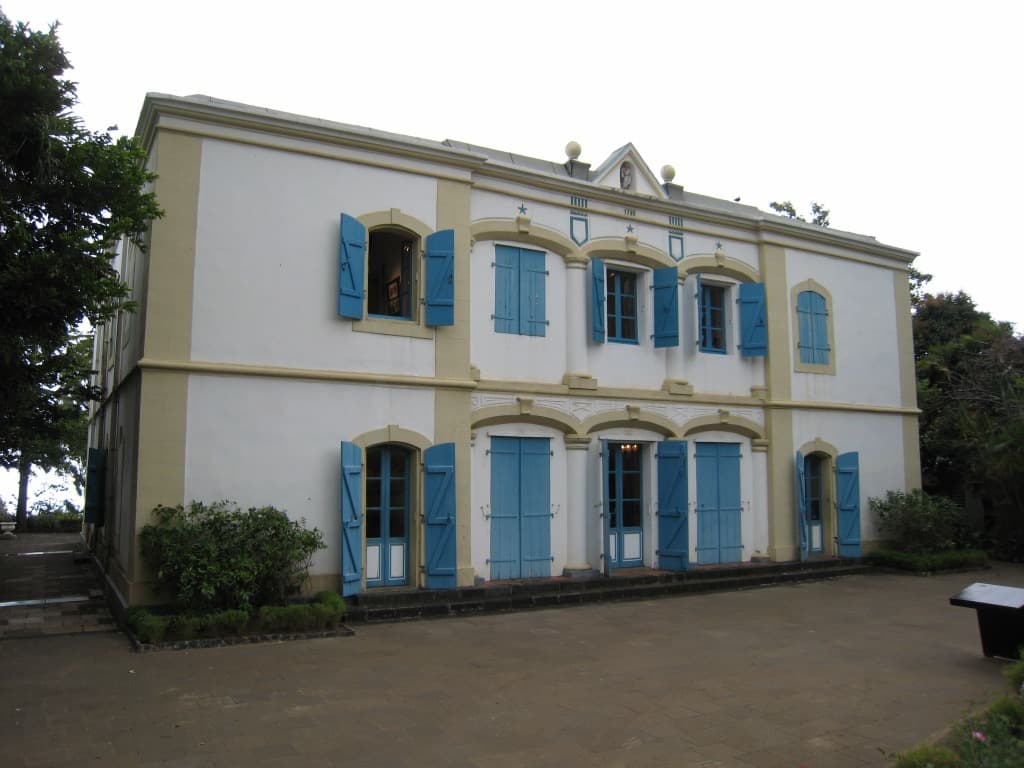
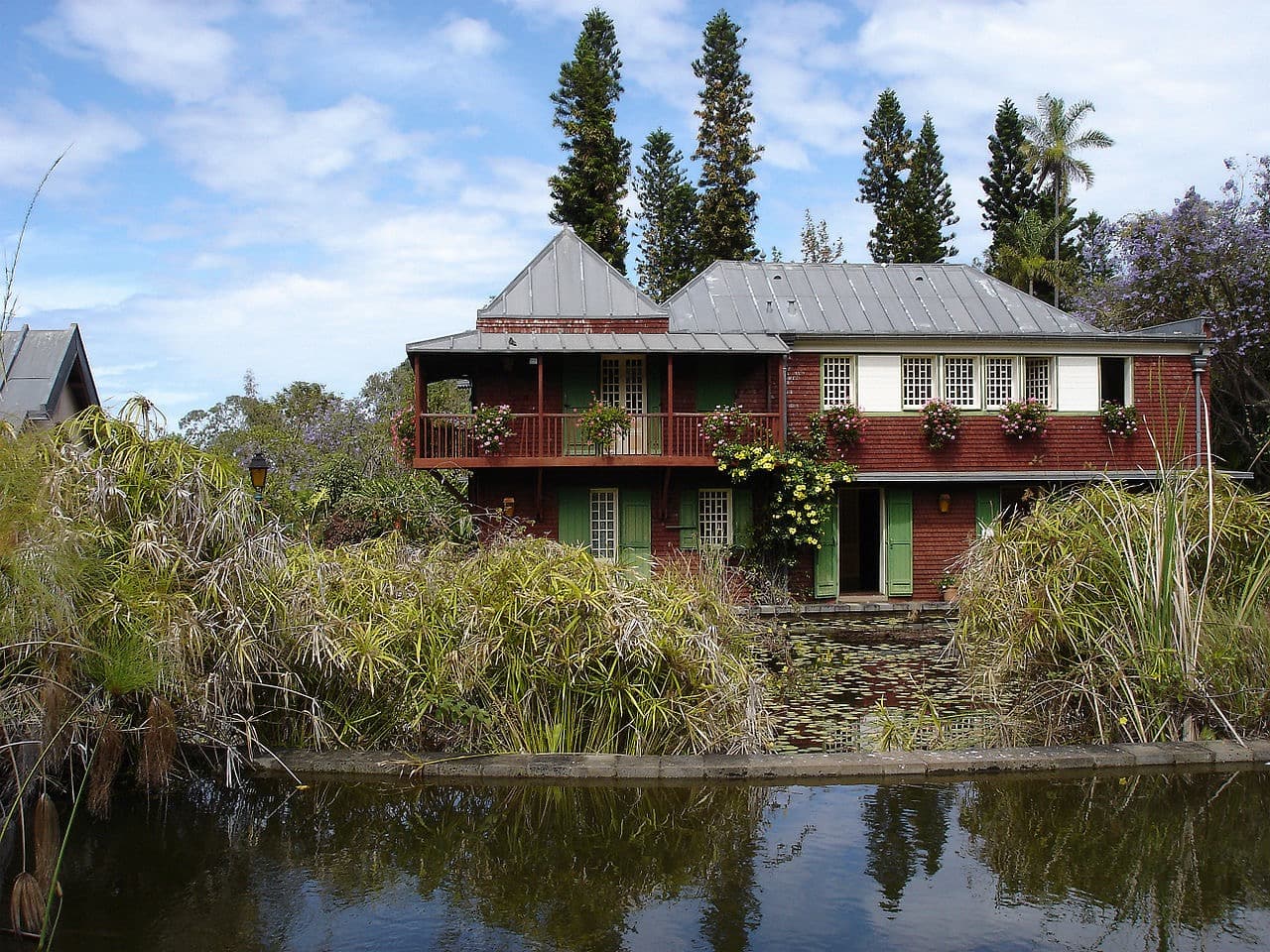
The Panon-Desbassayns estate at Villèle (Saint-Paul) is one of Réunion's best-preserved colonial domains. A furnished master's house, outbuildings, Pointue Chapel and gardens trace the island's sugar and memorial history.
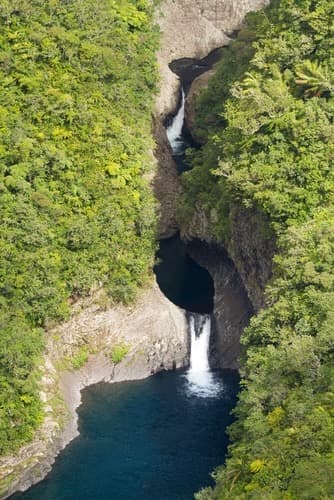
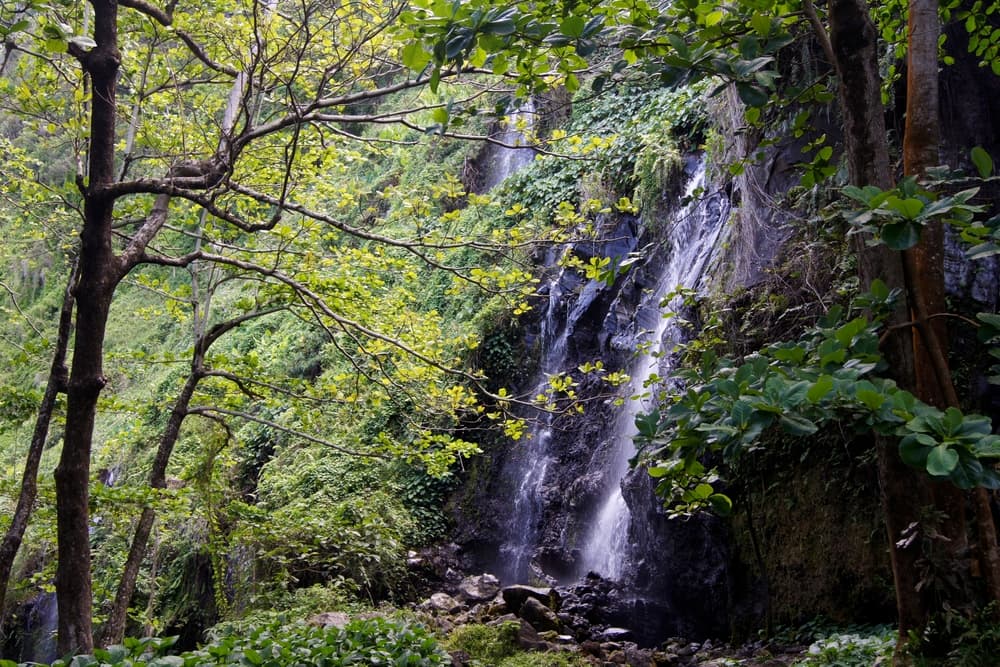
Takamaka Waterfall plunges into the gorges of the Marsouins River, deep within the humid tropical forest of Saint-Benoît. A wild panorama accessible from a developed viewpoint on the eastern slope of Réunion.
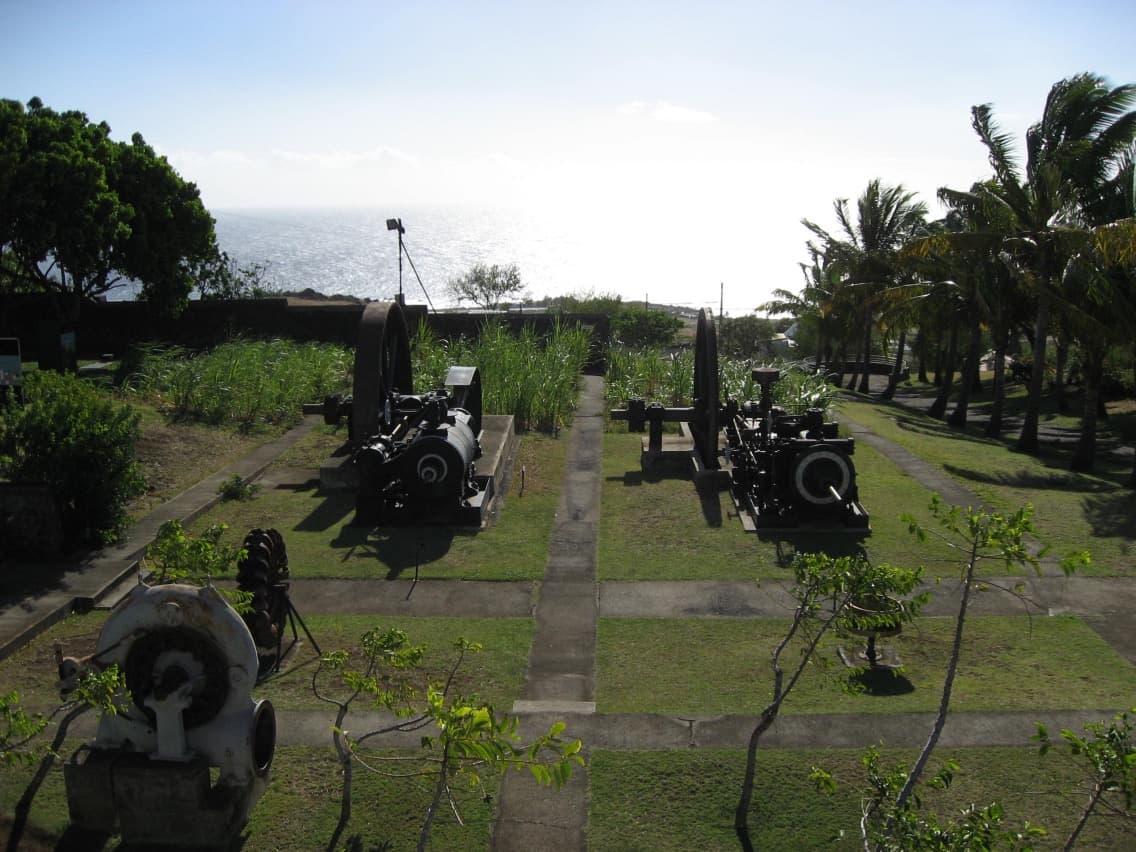
Set in a 19th-century sugar factory in Saint-Leu, the Stella Matutina Museum explores the history of sugarcane, slavery, and Réunion's Creole culture through period machinery and ethnographic collections.
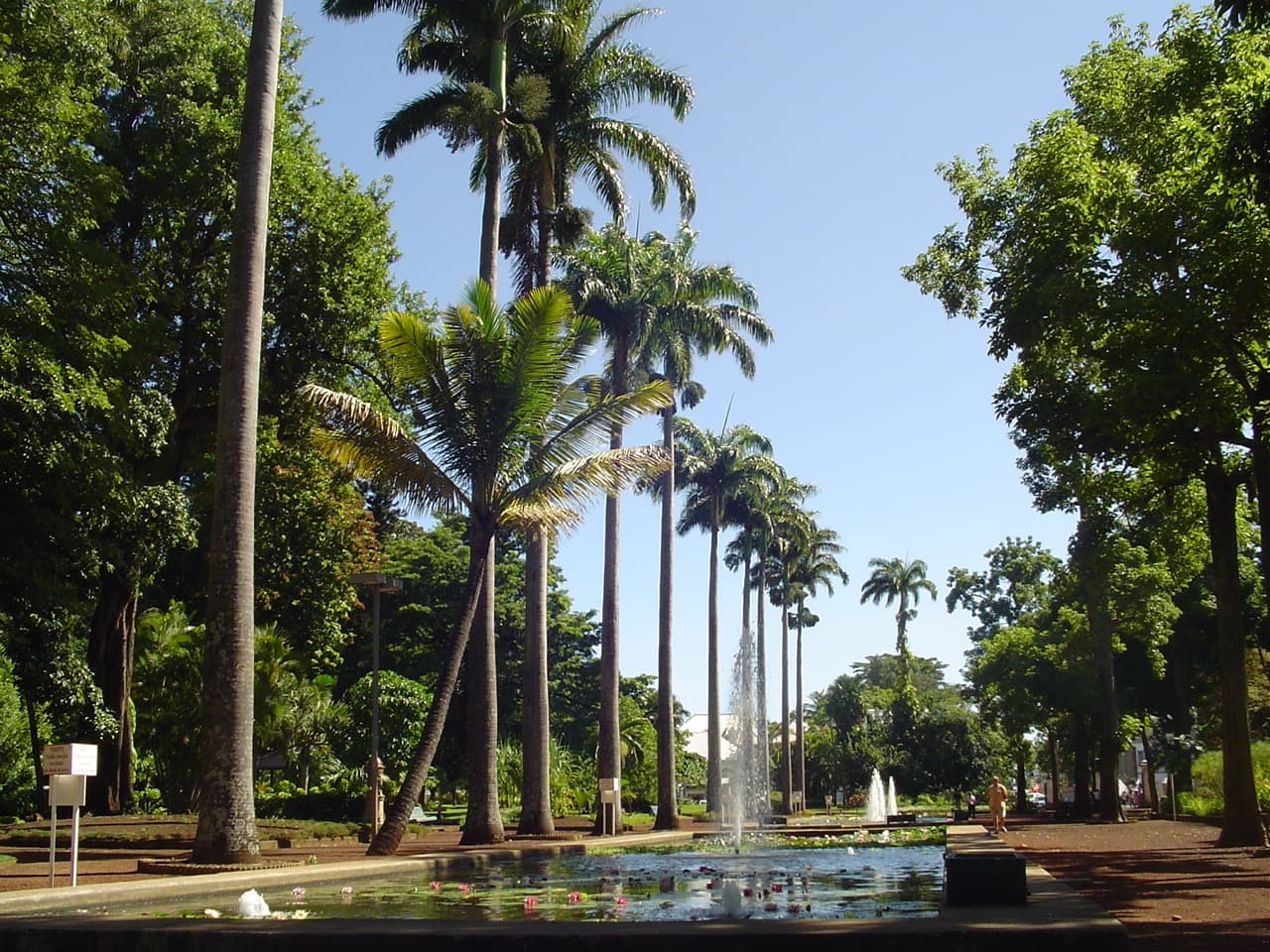
The Jardin de l'État, in the heart of Saint-Denis, is Réunion's oldest botanical park. Free admission, centenarian trees, and a Natural History Museum set within a preserved colonial landscape.
The Saga du Rhum traces the history of sugarcane and rum in Réunion through centuries of production, offering visitors a journey through distillation tools, colonial heritage, and tastings of local rums.
Mascarin is the national botanical conservatory of Réunion, located in the highlands of Saint-Leu. Palms of the Mascarene Islands, Creole medicinal plants, tropical greenhouses and a restored colonial house: a site combining natural and historical heritage.
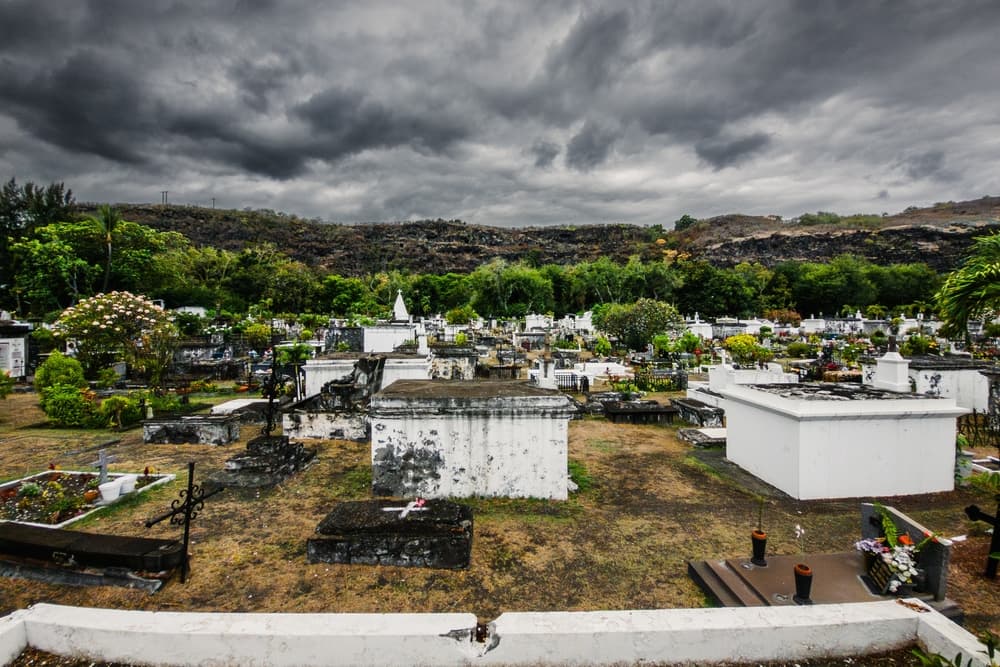
Overlooking the Saint-Paul lagoon, this cemetery founded in the 17th century holds the legendary tomb of pirate La Buse and ancient Creole burial sites, set in a unique coastal landscape on Réunion Island.
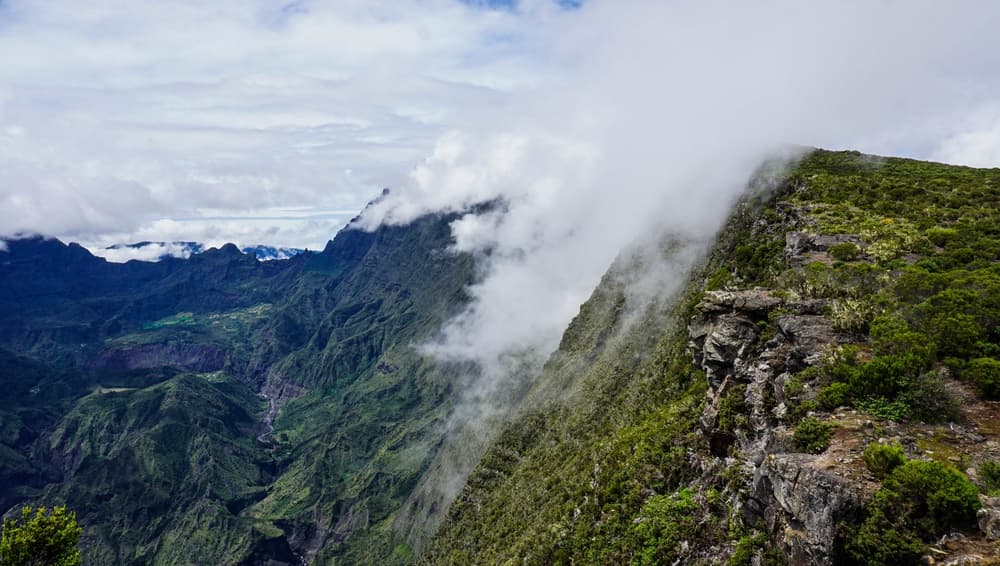
At 2,205 meters altitude in the Hauts de Saint-Paul, Piton Maïdo offers a breathtaking plunge into the Cirque de Mafate, accessible only on foot. An exceptional panorama of the cliffs and islets of this UNESCO-listed territory.
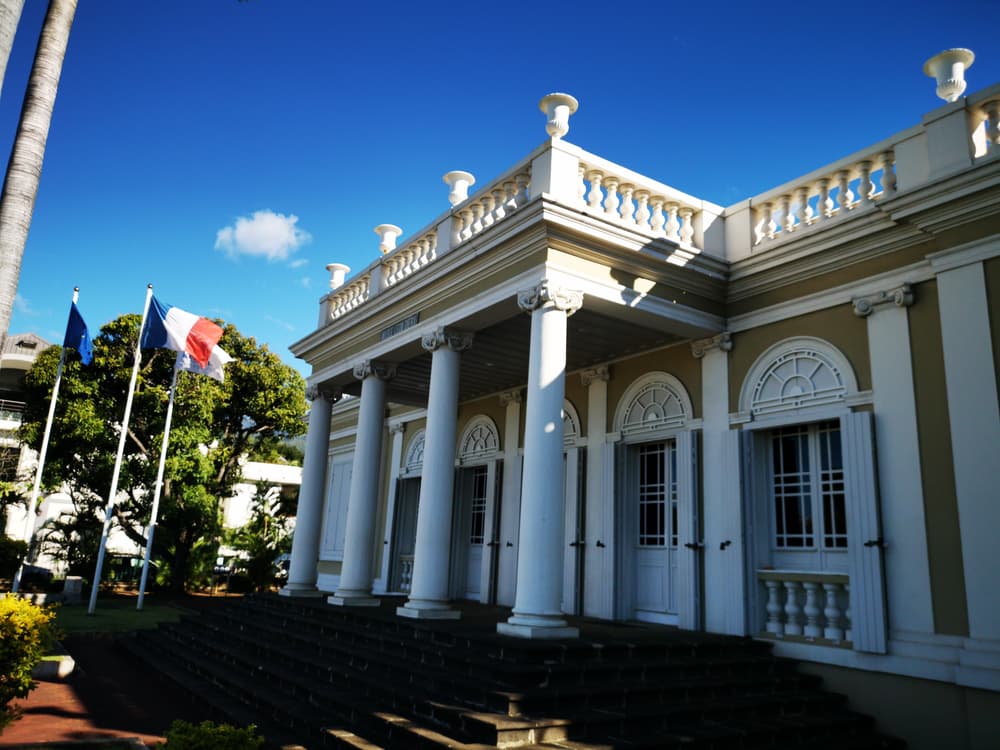
Located in a former colonial episcopal residence in Saint-Denis, the Léon Dierx Museum houses one of the richest modern art collections in the Indian Ocean, with works by Gauguin, Rodin, and Picasso.
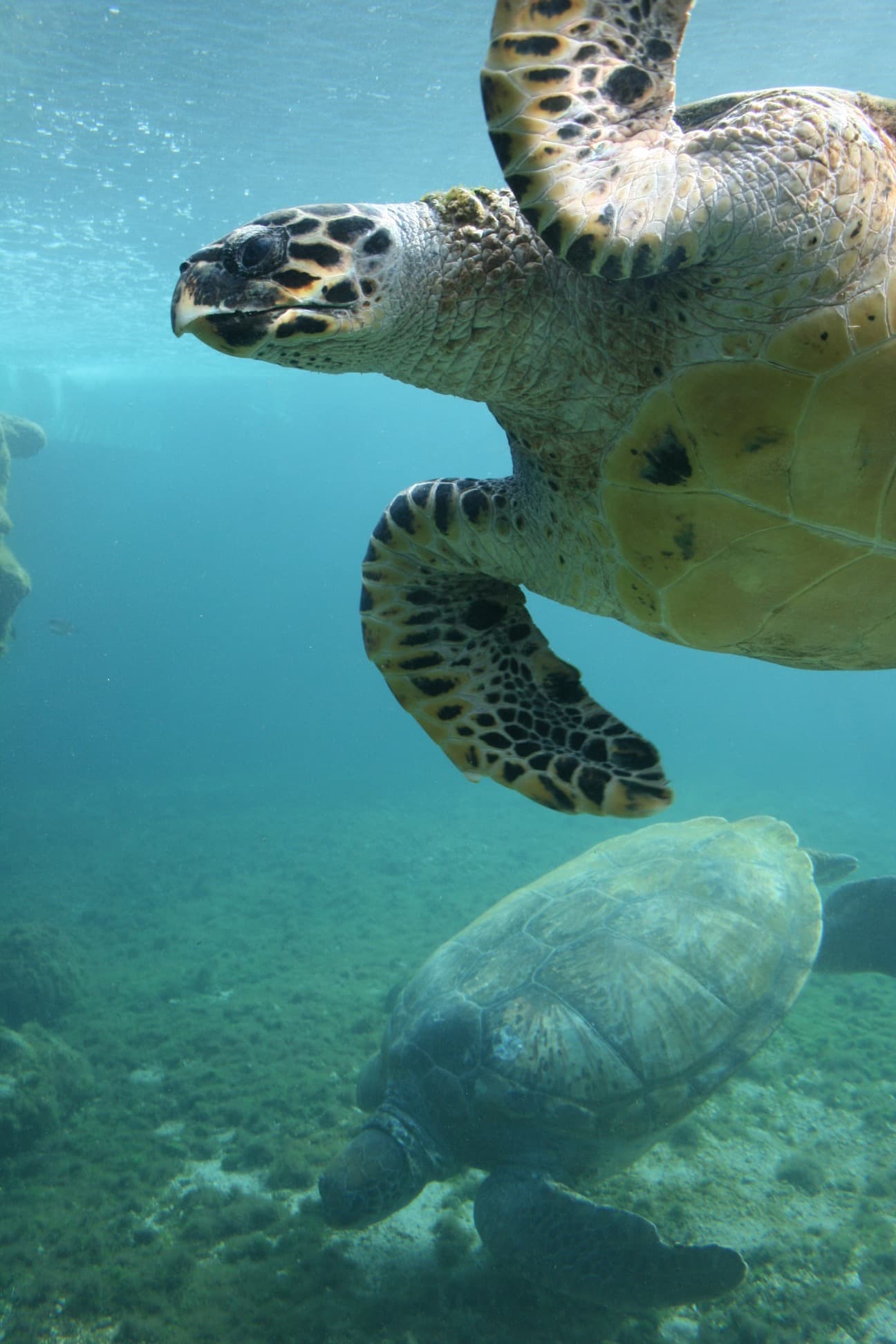
Kélonia, located in Saint-Leu, is the leading observatory for sea turtles in Réunion. Once a farm converted into a scientific center, it allows visitors to observe turtles receiving care and to understand the challenges of their protection in the Indian Ocean.
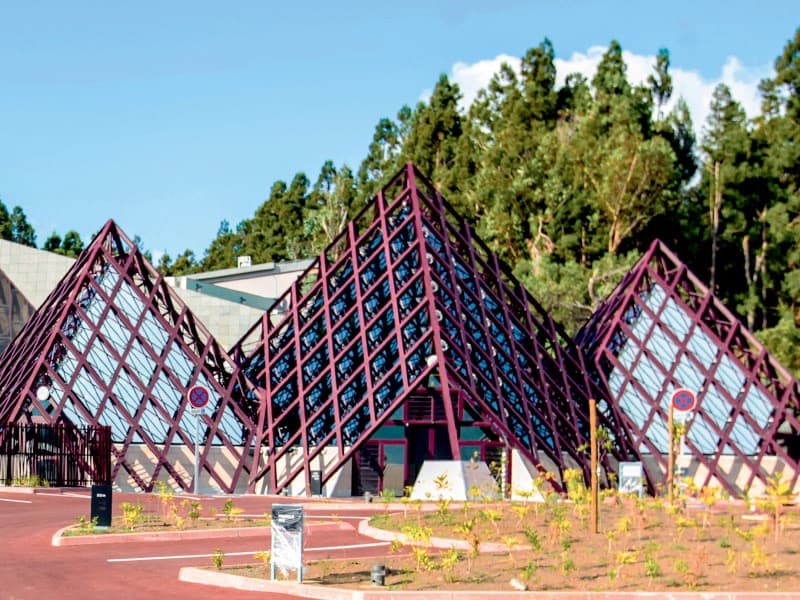
Cité du Volcan, located in Le Tampon, is the definitive museum on Piton de la Fournaise and Réunion's geology. Rocks, eruptions, and volcanic biodiversity explained before heading out into the field.
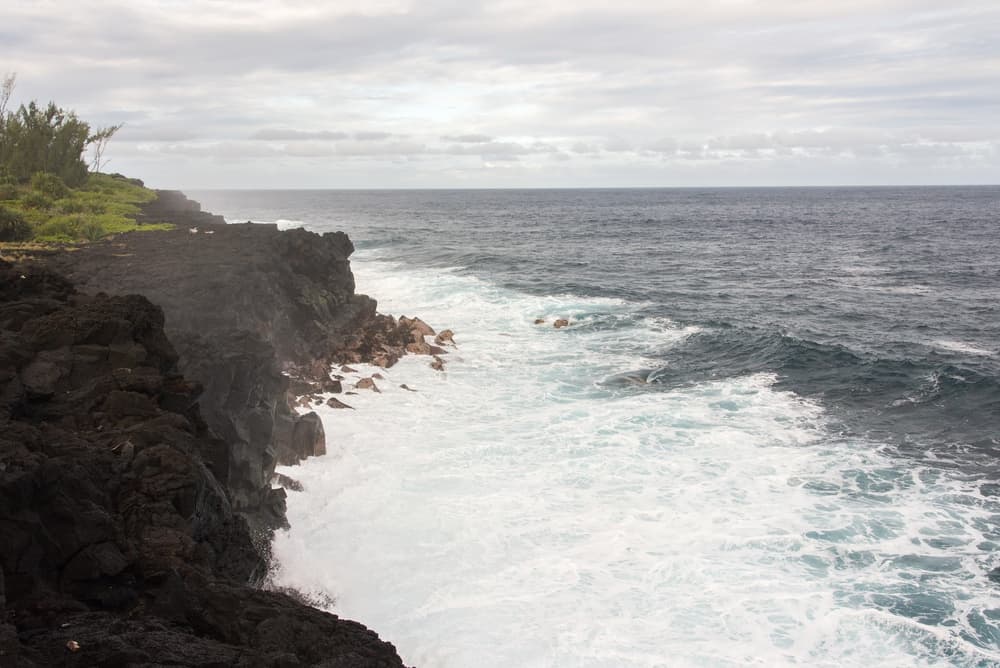
Cap Méchant, in Saint-Joseph, is one of the most raw sites on Réunion's southern coast: black lava, powerful waves and a historic lighthouse compose a mineral and striking landscape.
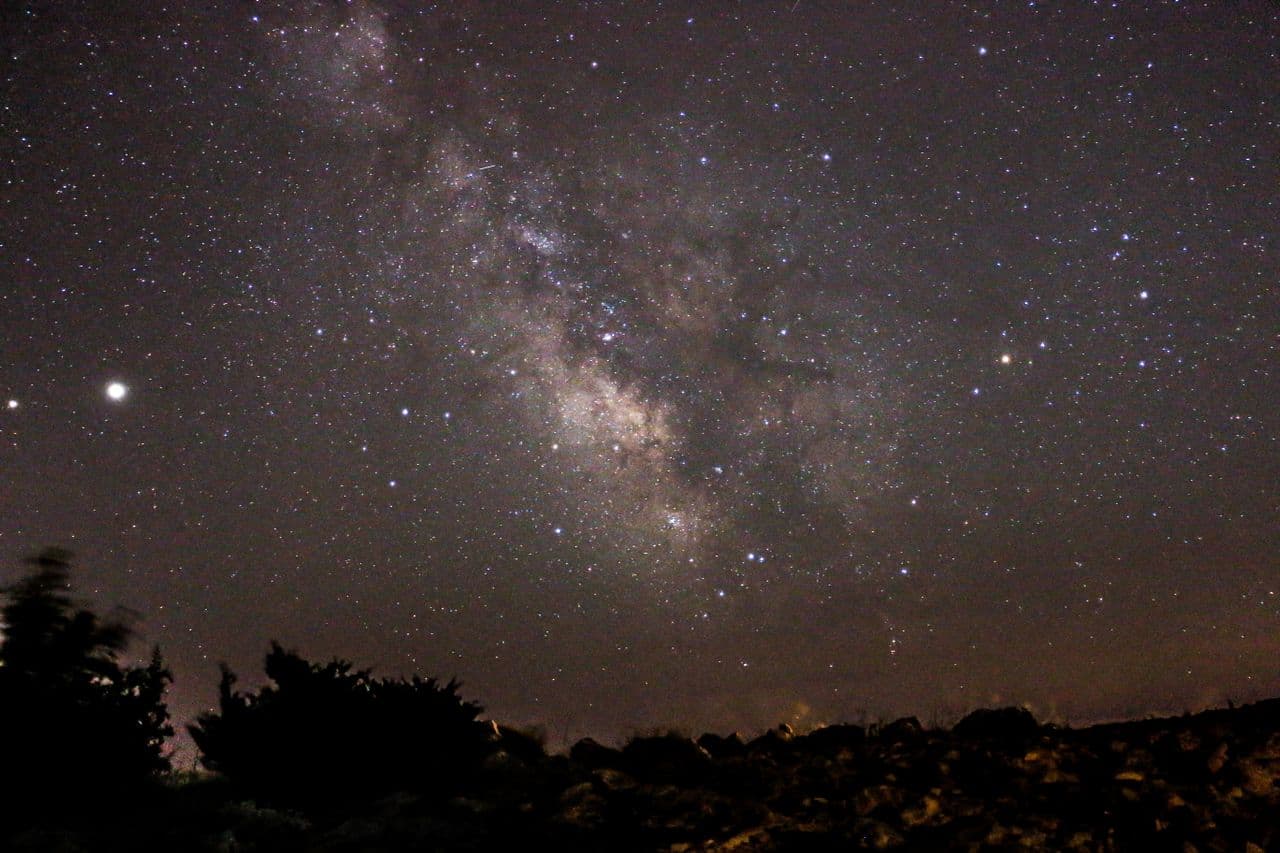
Perched at 1,000 m altitude in the highlands of Saint-Louis, the Makes Observatory offers night observation sessions beneath one of the clearest skies in Réunion.
At Sainte-Rose, Anse des Cascades offers a rare spectacle: streams of fresh water cascade down a basalt cliff to plunge directly into the Indian Ocean, framed by a forest of centuries-old casuarina trees.
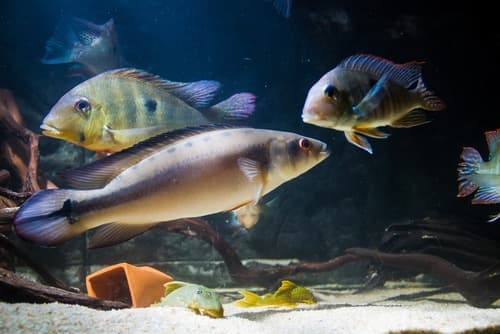
In Saint-Gilles-les-Bains, the Aquarium of Réunion showcases 200 species from the Réunion reef within 600,000 liters of seawater, spread across five thematic areas.
15 of 15 results
We use cookies to improve your experience and measure our site's audience. You can choose what you accept. Learn more.