Mascarin – Réunion's Botanical Garden
Mascarin – Réunion's Botanical Garden
Mascarin is the national botanical conservatory of Réunion, located in the highlands of Saint-Leu. Palms of the Mascarene Islands, Creole medicinal plants, tropical greenhouses and a restored colonial house: a site combining natural and historical heritage.
Mascarin is Réunion's official botanical garden, set in the highlands of Saint-Leu on the island's west coast. Managed by the Mascarin National Botanical Conservatory, it brings together several thousand plant species, with a strong emphasis on the endemic and indigenous flora of the Indian Ocean. The site occupies a former Creole property from the 18th century, giving it a dual dimension: natural heritage and historical heritage.
Quick reference guide
- Admission: paid entry (reduced rates for children, groups and jobseekers)
- Suggested duration: 1.5 to 2 hours for a complete visit
- Access: car recommended — the garden is located in the highlands of Saint-Leu, on the road to Entre-Deux
- Attire: hiking shoes recommended (sloped pathways, sometimes damp terrain)
- Animals: not permitted
- Accessibility: partial — some pathways are accessible, others have steep slopes
What to see
The garden is organized into several themed areas. The palm collection is among the richest in the Southern Hemisphere, featuring rare species from Madagascar, the Mascarene Islands and Asia. The greenhouses house orchids, tree ferns and carnivorous plants. A dedicated section on Creole medicinal plants documents traditional uses of the local pharmacopoeia.
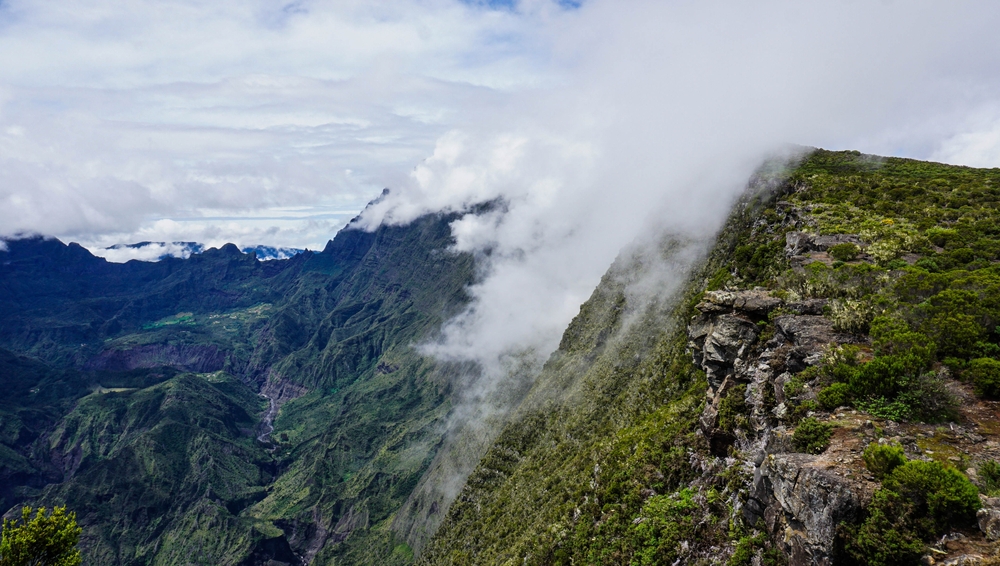
Réunion's endemic vegetation — tamarins of the highlands, branles, fanjans — occupies an entire section, reflecting what can be found in the island's mountain forests.
History and context
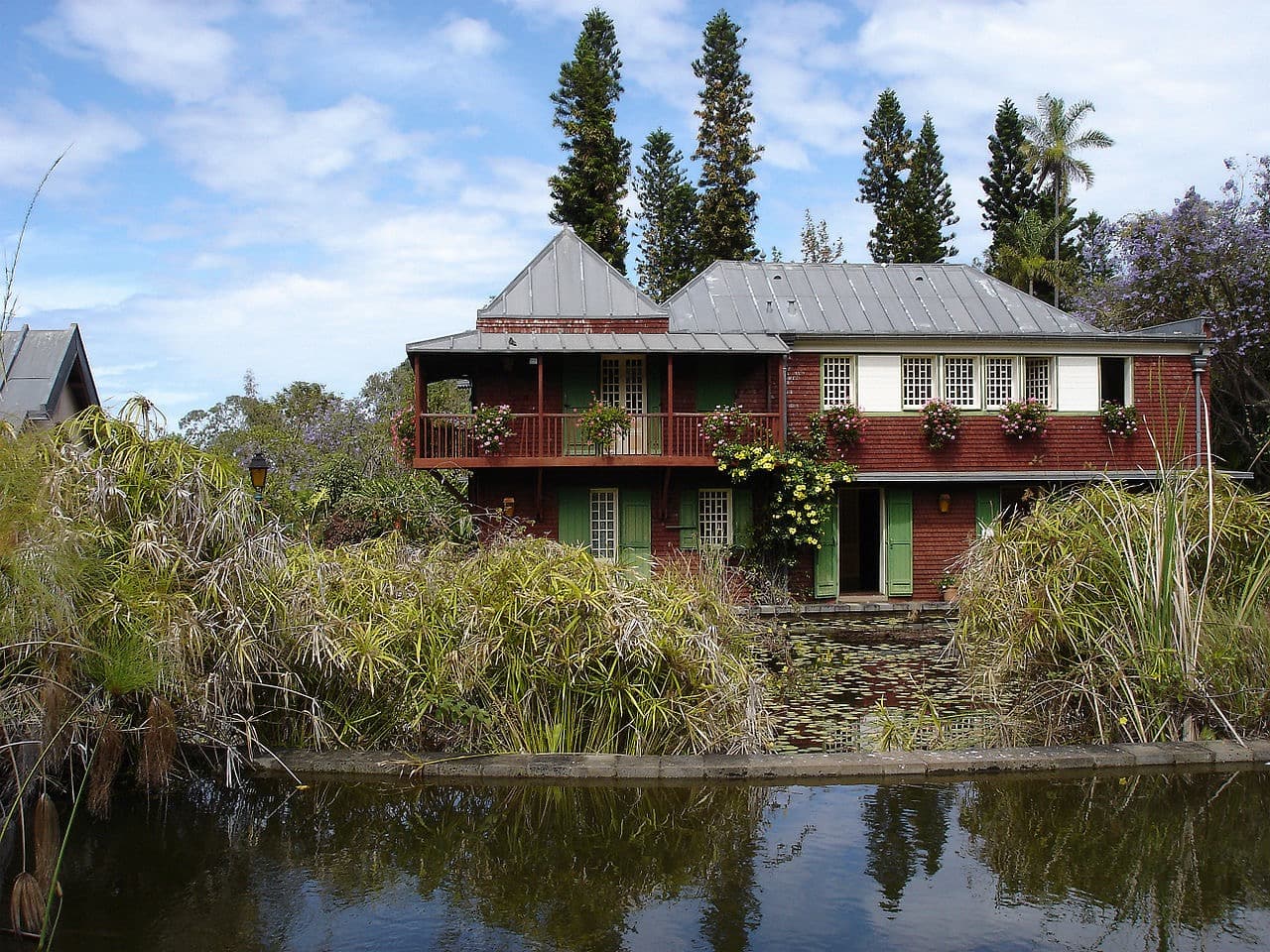
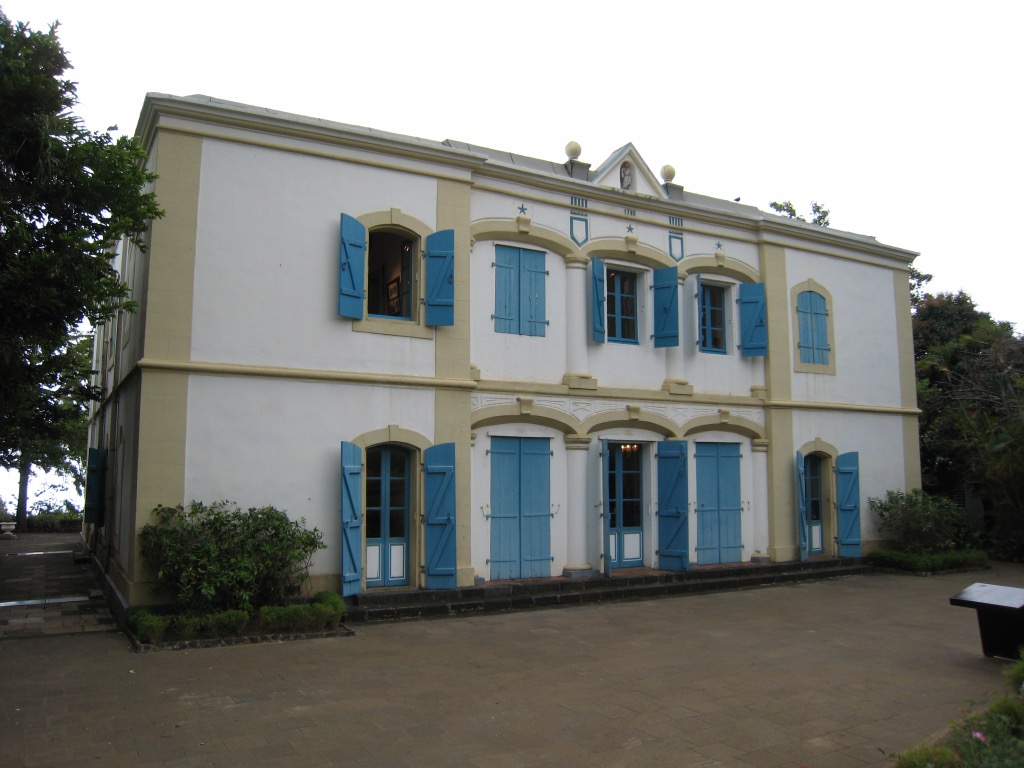
The Mascarin estate dates back to the 18th century. The restored Creole manor house testifies to the colonial architecture of the sugar era. The site was converted into a national botanical conservatory in the 1990s, with a mission to preserve and study the floras of the Indian Ocean. The name "Mascarin" is the former name of Réunion, used by the first navigators.
Highlights of your visit
The palm collection
Several hundred species of palms are gathered here, including endemic specimens from the Mascarene Islands that are now endangered in their natural habitat. Some reach impressive heights and structure the garden's landscape.
The Creole manor house and French gardens
The restored colonial residence is surrounded by a French-style garden with geometric flower beds. It illustrates the lifestyle of the great planter families of 18th and 19th century Réunion.
The collection greenhouses
The greenhouses house delicate tropical plants: wild orchids, bromeliads, giant ferns. The atmosphere is dense and humid, very different from the rest of the outdoor garden.
The medicinal plants section
Explanatory panels and detailed labeling help you understand Creole plant uses: herbal teas, poultices, home remedies. A rare ethnobotanical dimension in the region.
Photography tips
Morning light is softer and avoids harsh shadows under the plant canopy. The greenhouses offer striking compositions with giant leaves in backlighting. The Creole manor house photographs well from the French garden, late morning when the façade is well lit. Avoid days of heavy rain: the sloped pathways become slippery and light under the trees lacks contrast.
Location and access
Mascarin is located in the highlands of Saint-Leu, a few kilometers from the town center, on the road leading to Entre-Deux. A car is the most convenient option. From Saint-Leu, allow about ten minutes of uphill driving. Parking on-site is free. No regular public transport directly serves the garden.
Saint-Leu is accessible from Saint-Denis via the coastal road (RN1) or via the highlands. From Saint-Pierre, the road follows the west coast.
Nearby attractions
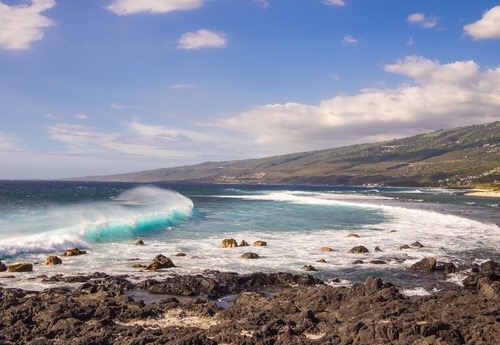
- Saint-Leu Beach — protected lagoon renowned for diving and surfing, a few minutes' drive downhill.
- Saint-Leu Church — 19th-century colonial building listed as a historical monument, in the town center.
- Kélonia – Marine Turtle Observatory — care center and marine turtle awareness facility on Saint-Leu's waterfront.
- Entre-Deux — preserved Creole village, labeled "Village of Character", accessible via the same road as Mascarin.
Frequently asked questions
The garden is open year-round. The dry season (May to November) offers more pleasant visiting conditions: less rain, well-maintained vegetation. During the rainy season (December to April), some pathways may be slippery.
Yes. Mascarin in the morning, then Kélonia in early afternoon and Saint-Leu Beach in the evening make for a coherent day without too much travel.
Yes, children enjoy the greenhouses and large palms. Wear closed shoes and supervise younger children on the sloped pathways.
Guided tours are organized by the conservatory, particularly for school groups and tourist groups. Contact the garden directly for availability and booking details.
Photography is permitted for personal use. For commercial or professional use, contact the conservatory beforehand.
A shop sells plants and botanical publications. For food, plan a picnic or head down to Saint-Leu where several restaurants are available.
Photos
Nearby
Interested in this visit?
We can include it in your personalised itinerary.