Sainte-Rose
Sainte-Rose
Sainte-Rose, on Réunion's east coast, is renowned for the Notre-Dame-des-Laves church, which the 1977 volcanic eruption miraculously bypassed. An authentic village nestled between black lava and the Indian Ocean.
Sainte-Rose is a coastal municipality on the east side of Réunion, wedged between the Indian Ocean and the active slopes of Piton de la Fournaise. It is one of the rare towns in the world where historic lava flows have crossed through the village, miraculously skirting the Notre-Dame-des-Laves church. This omnipresent volcanic past, combined with a wild coastline and lush vegetation, makes it a striking stop along the lava road.
Practical Information at a Glance
- Access: National Route RN2 (lava road), east coast of the island.
- From Saint-Denis: approximately 60 km via RN2.
- Transport: Cars Jaunes (Car Jaune network) serves Sainte-Rose from Saint-Denis and Saint-Benoît.
- Recommended duration: half a day to a full day for the town and its immediate surroundings.
- Dress code: Proper attire required to visit the Notre-Dame-des-Laves church.
What to See
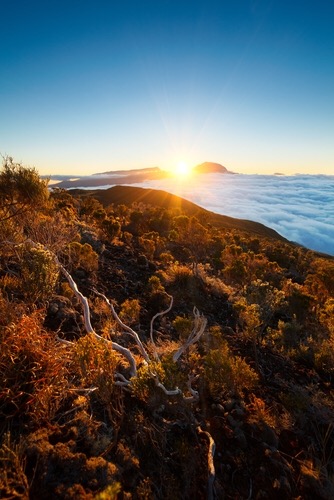
The village of Sainte-Rose is centered around its church, waterfront, and fields of solidified lava. Pioneer vegetation—ferns and colored wood—gradually reclaims the black flows. The port of la Marine, small and authentic, is home to fishing boats. The lava road that crosses the municipality offers breathtaking panoramas of the ocean and ancient lava flows.
History and Context
Sainte-Rose was founded in the 17th century by French colonists. The municipality is regularly affected by eruptions from Piton de la Fournaise. The 1977 flow is the most famous: it traversed the town, destroyed homes, and came to a stop at the gates of the Notre-Dame-des-Laves church, sparing the building. This event profoundly marked local memory and strengthened the devotion of residents toward this church.
Highlights of Your Visit
The Notre-Dame-des-Laves Church
Built in the 19th century, this Catholic church is surrounded by solidified lava from the 1977 flow. Black rock literally stops at its walls. The interior, simple and luminous, preserves ex-votos testifying to local devotion. It is the most visited site in Sainte-Rose.
The Port of la Marine
A small artisanal fishing port, la Marine offers an authentic atmosphere far from mass tourism. Colorful boats, nets drying in the sun, and views of the jagged coastline compose a scene typical of Réunion's seafront.
The Lava Road
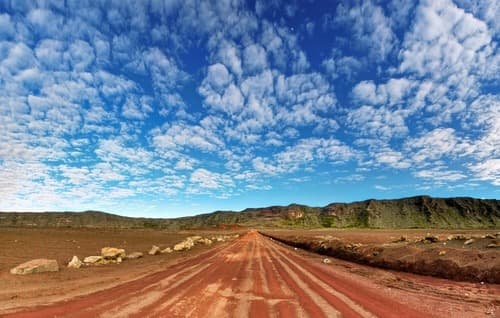
The RN2 here runs alongside successive flows that have repeatedly covered the road. Informational signs mark the way. Vegetation reclaiming the black rock illustrates the island's volcanic dynamics in real time.
The Piton Sainte-Rose Trail
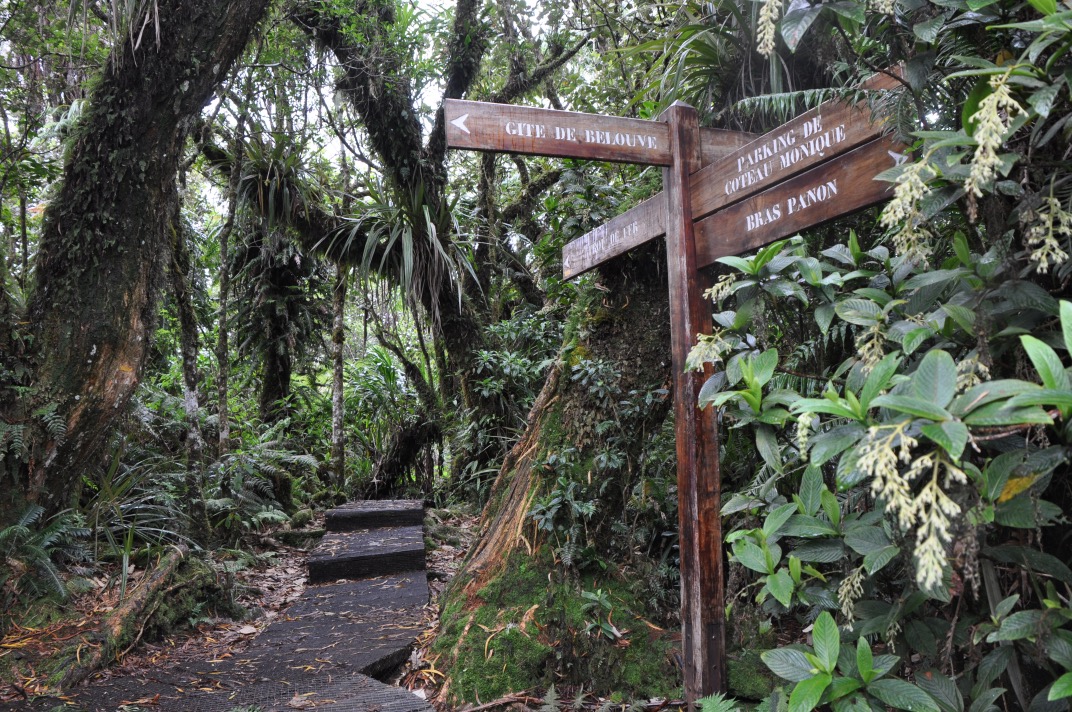
A hiking path leaves the town toward the heights, offering views of the east coast and lava fields. The terrain is volcanic and sometimes unstable; hiking shoes are essential.
Etiquette and Visiting Rules
- Proper attire required in the Notre-Dame-des-Laves church (shoulders and knees covered).
- Silence and respect during religious services.
- Do not climb the lava blocks around the church.
- On volcanic trails, stay on marked pathways.
Photography Tips
Morning light is ideal for photographing the church and the contrast between black rock and white walls. In late afternoon, raking light reveals the texture of the flows. The port of la Marine photographs well in early morning, when fishermen are active. Avoid using flash inside the church.
Location and Access
Sainte-Rose is located on Réunion's east coast, approximately 60 km southeast of Saint-Denis via RN2. The municipality is accessible by car or Car Jaune from Saint-Benoît (about 20 km to the north) and from Saint-Philippe to the south. The lava road is sometimes closed during active eruptions of Piton de la Fournaise; check conditions before departing. PMR accessibility is limited on volcanic trails, but the church and port are accessible.
Nearby Attractions
- Piton de la Fournaise — The island's active volcano, accessible from Pas de Bellecombe, approximately 40 km to the southwest.
- Saint-Benoît — The main town on the east coast, departure point for the Rivière des Marsouins valley.
- Saint-Philippe — Neighboring municipality to the south, gateway to Grand Brûlé and recent lava flows.
- Le Grand Brûlé — Zone of active flows between Sainte-Rose and Saint-Philippe, spectacular lunar landscape.
Frequently asked questions
The dry season (May to November) is most favorable: less rain on the east coast and reduced risk of road closures. In the austral summer (December-April), rainfall is significant on this side of the island.
No. During active eruptions of Piton de la Fournaise, the RN2 can be closed at Grand Brûlé. Consult the Réunion prefecture's information before departing.
Yes, but plan for a full day. The volcano is reached via forest road from Bourg-Murat, inland. Sainte-Rose is a good stop on the return journey via the east coast.
Entry to the church is free. It is an active place of worship; respect service times to avoid disturbing the faithful.
The town has a few snacks and small restaurants offering local Creole cuisine. The selection remains modest; plan to bring food if you hike in the highlands.
Photos
Want to discover this destination?
Our local advisors design your tailor-made trip.