Piton de la Fournaise
Piton de la Fournaise
An active volcano perched at 2,632 m within Réunion National Park: hiking routes, access points, climate and insider tips for planning your visit to Piton de la Fournaise.
Nestled at 2,632 m altitude in the heart of the Réunion National Park, Piton de la Fournaise is an active volcano that inspires both fear and admiration among both locals and visitors. Under constant observation, this giant of molten lava is accessible to all adventurers wishing to approach the crater closely during their stay in Réunion.
History
The origins of Réunion's island creation and the formation of Piton de la Fournaise are intertwined. Developed in the southeast of the island, this volcano is believed to have been born over 500,000 years ago. It emerged on the eastern flank of Piton des Neiges, which appeared 2 million years earlier. Together, the two peaks form Réunion's volcanic massif.
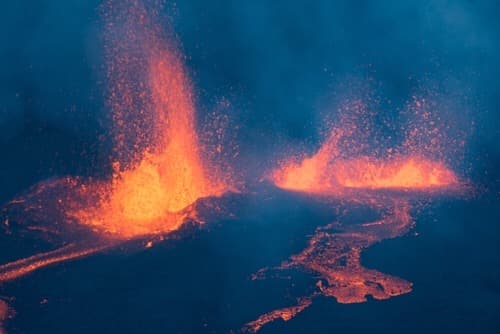
While Piton des Neiges has been dormant for thousands of years, Piton de la Fournaise still holds many surprises in store, having recorded over a hundred eruptions since the 20th century. It is graced with two summit craters: Bory and Dolomieu. Of Hawaiian type, its eruptive dynamism classifies it among red volcanoes.
Historically, Piton de la Fournaise's eruptions have largely occurred at the summit craters in the central cone or within the Enclos. However, certain fissures have triggered eruptions outside the Enclos, notably those of 1977 at the edge of the village of Sainte-Rose or in 1986 near Saint-Philippe. After the latter, the volcano entered a period of inactivity. It gained attention again in 1998, with an eruption lasting nearly 195 days, which then created the Piton Kapor site. In 2001, another eruption occurred, with lava flows reaching the southern road. Yet the most significant volcanic episode remains the 2007 eruption, which caused the collapse of Dolomieu's crater. The volcano's last notable activity dates back to 2010.
Today
Piton de la Fournaise, whose summit reaches 2,632 m altitude, is listed among UNESCO World Heritage sites. Erupting on average every nine months, it ranks among the planet's most active and closely monitored volcanoes. The site is easily accessible from the village of Bourg-Murat, in the Cafres plain, following the volcanic forest road.
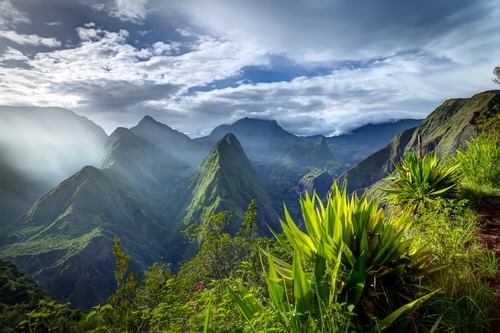
The volcanic massif of Piton de la Fournaise is formed by a large dome nestled at the heart of a broad depression zone called the Enclos. Today it serves as a playground for vacationers seeking thrills, but especially for serious hikers. Part of Réunion National Park, the site impresses with its lunar landscape shaped by ancient craters, solidified lava and exceptional flora.
Two hiking routes, notably Bellecombe, are particularly favored by explorers to reach this picturesque destination. The Sainte-Rose Nez Coupé trail presents moderate difficulty, with 350 m elevation gain. The round trip takes approximately three and a half hours. This hike offers numerous viewpoints over the massif and the Indian Ocean. The Dolomieu Balcony Circuit is more challenging, but allows you to observe the volcano more closely. With 500 m of elevation gain, this route requires approximately 5 hours round trip. This adventure—both enjoyable and thrilling—leads you to an observation platform with a clear view of Dolomieu's crater. Other fascinating spots await you throughout the hike, including the Formica Léo crater and the Rosemont chapel.
Departing from Bourg-Murat, the volcanic tourist road also offers wonderful viewpoints. Along the way, treat yourself to a stop at the Nez de Bœuf viewpoint to admire the Remparts river valley.
Climate
Piton de la Fournaise is located in a region with a warm temperate climate, Cfa type according to the Köppen-Geiger classification. Showers are frequent throughout the year, even during the driest months. Annual rainfall averages 1,383 mm of precipitation. The average annual temperature stands at 20.7 °C.
Piton de la Fournaise is accessible via the volcanic forest road departing from Bourg-Murat, in the Cafres plain. Two hiking routes are then available to best appreciate the massif's landscapes, namely the Sainte-Rose Nez Coupé trail and the Dolomieu Balcony Circuit.
What to Do at Piton de la Fournaise?
- Hike to the Dolomieu Balcony
- Photograph volcanic landscapes
- Observe lava projections
- Contemplate the Remparts river valley from the Nez de Bœuf viewpoint, and more
Want to discover this destination?
Our local advisors design your tailor-made trip.