Bras-Panon
Bras-Panon
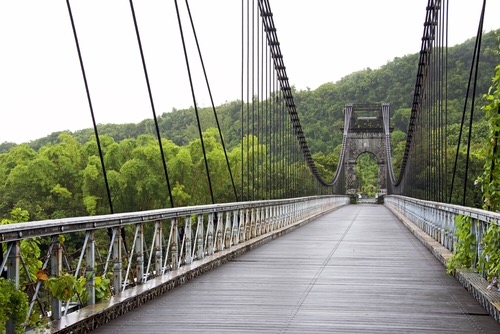
On the windward coast of Réunion, Bras-Panon cultivates Bourbon vanilla among basalt basins, plantations and an iconic agricultural fair.
On the windward coast of Réunion, Bras-Panon cultivates the spice that made the island famous: Bourbon vanilla. This rural village, nestled between the Mât River and the Roches River, lives to the rhythm of plantations, basalt basins and an agricultural fair that has become an unmissable fixture on the Réunion calendar. Just twenty minutes from Saint-Denis, it offers an authentic escape from the tourist beaches of the west.
Bras-Panon at a glance
- Region: east coast of Réunion, East micro-region
- Area: 8,900 hectares, largely rural
- Specialty: Bourbon vanilla, Vanilla Cooperative label
- Highlights: Bassin-la-Paix, Bassin-la-Mer, Eden Viewpoint
- Events: Bras-Panon Fair (May), Bread Festival
- Access: RN2 (lava road), 25 km from Saint-Denis
- Climate: tropical Aw, 23.5°C average, 1385 mm/year
A history born of coffee and vanilla
Bordered by the Mât and Roches rivers, at the edge of the ramparts of the Salazie circus, Bras-Panon welcomed its first inhabitants, the Panon family, in the late 17th century. The first land grants were established during the 18th century, with the expansion of coffee cultivation. The region was then under the parish of Sainte-Suzanne, then became attached to Saint-André. In 1791, the territory was divided between Sainte-Suzanne and Saint-Benoît due to its counter-revolutionary character.
In 1840, Bras-Panon received its first chapel. In 1853, the building was replaced by a wooden church and the parish was established that same year. The locality was then part of the municipality of Saint-Benoît. Juridically, it was attached to Saint-André in 1798.
In September 1880, residents requested the separation of Bras-Panon from the municipality of Saint-Benoît, with the support of Charles Dureau de Vaulcomte. The presidential decree of February 24, 1882 established Bras-Panon as a municipality. Antoine Rivière de Chazalon was its first mayor. At that time, the territory had approximately 2,590 inhabitants. Having supplanted coffee plantations in the early 19th century, sugarcane fields fueled the municipality's economy. Vanilla cultivation experienced rapid growth during the 1850s, sealing the region's agricultural identity.
Geography: between rivers and the windward coast
About twenty minutes from Saint-Denis, on the east coast of Réunion, Bras-Panon nestles in gently rolling terrain. The municipality is surrounded by Saint-André to the north, Saint-Benoît to the south, the Salazie circus to the west and the Indian Ocean to the east. Its 8,900-hectare territory extends between the Mât watercourse to the north and the Roches River to the south.
The region is largely rural, dominated by sugarcane and vanilla fields, primary forests and vast natural spaces. This geography makes it one of the gateways to the windward coast, with humid climate and dense vegetation that contrast with the drier west.
What to do in Bras-Panon: must-sees
Bassin-la-Paix and Bassin-la-Mer
Bras-Panon is home to a series of basalt organ pipes surrounded by lush vegetation. Beautiful waterfalls cascade from above, punctuating these two basins, accessible via a marked trail from the village parking area. Bassin-la-Paix can be reached in fifteen minutes of walking, Bassin-la-Mer requires a more challenging descent. Swimming is permitted but currents demand caution after heavy rains.
Eden Viewpoint
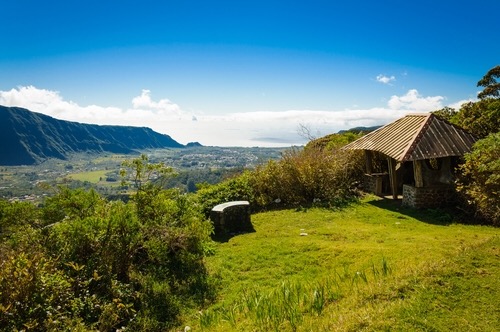
Overlooking the Mât River, the Eden Viewpoint offers one of the finest panoramas of the east coast. The site is accessible via a trail lined with fruit trees and waterfalls. Along the way, views of the Bras des Lianes forest open onto tea plantations. From the viewpoint, you can take in the sugarcane plains and windward coast to the horizon.
Bras-Panon Vanilla Cooperative
The Vanilla Cooperative is the essential stop to understand the production process. The establishment displays all stages of production: cultivation, harvesting, blanching, sweating, drying and grading. The visit includes a documentary on the history of the orchid and Bourbon vanilla, the label that made the island famous. Shop on-site to leave with some black, plump vanilla pods.
The Bread Oven
Built in 1928, this community oven was operated by many owners until the 1960s. In 1997, a collective of young heritage enthusiasts decided to restore it and make it the heart of the Bread Festival. Each year, wood-fired baking brings residents and visitors together around traditional batches.
Coastal Trail
At the edge of the Roches River, the coastal trail offers a 3 km walk linking Bras-Panon to Saint-Benoît. The route runs along cliffs of volcanic formation and provides an easy Bras-Panon hike, accessible for families. Allow 1.5 hours round trip, preferably in early morning.
Nature activities
Beyond historical sites, Bras-Panon lends itself to mountain biking, horseback riding and ultralight aircraft flights that soar over plantations and the coast. Kayaking on the Roches River is the signature experience: navigating between cliffs and river mouth, guided by local operators.
When to visit Bras-Panon
Bras-Panon has a tropical climate of type Aw according to the Köppen-Geiger classification. The municipality receives approximately 1,385 mm of rainfall annually, with an average of 23.5°C. Located on the windward coast, it is more humid than the western side of the island.
May to October (dry season): the best period. Mild temperatures (20-25°C), sparse rainfall, practicable trails. Ideal for hiking and visiting the basins.
November to April (wet season): hot (25-30°C), frequent showers and cyclone risk between January and March. Vegetation is at its peak but some trails may close after heavy rains. Check Météo-France Réunion bulletins before any travel.
May is the recommended month if you wish to attend the Bras-Panon Fair, the island's largest agricultural gathering.
How to get to Bras-Panon
From Roland-Garros Airport: 25 km via RN2 (lava road), expect 30 minutes by car.
By car: the RN2 connects Bras-Panon to Saint-André, Saint-Benoît, Sainte-Suzanne, Sainte-Rose, Saint-Joseph, Saint-Denis and Saint-Pierre. Car rental remains the most practical mode of transport to explore the municipality and its rural surroundings.
By bus: the Car Jaune network serves Bras-Panon from Saint-Denis and Saint-Benoît (lines E1 and E2). Reasonable frequency on weekdays, more limited on weekends.
On-site: the major sites (basins, cooperative, bread oven) are accessible by car in less than fifteen minutes from each other.
Where to stay in Bras-Panon
Bras-Panon offers no chain hotels but a network of Bras-Panon guesthouses and bed-and-breakfasts that fit the rural spirit of the place.
Budget (€15-30): family guesthouses at local homes, often on the edge of plantations. Creole breakfast included, warm welcome, limited autonomy.
Mid-range (€60-120): rural guesthouses and boutique hotels, some on vanilla farms. Pool, table d'hôte, tropical garden.
Upscale (€150+): rarer lodges in Bras-Panon itself, look towards Saint-Benoît or Sainte-Suzanne. Private villas with windward coast views.
Advice from our local expert
- Visit the cooperative in the morning: vanilla preparation demonstrations are more lively before 11am.
- Combine Bras-Panon and Anse des Cascades on the same day: 40 minutes of driving separate the two sites, perfect east coast combo.
- Leave with Bourbon vanilla in pods directly from the cooperative: producer pricing and guaranteed traceability.
- Avoid the basins after heavy rain: water flow increases quickly, several accidents occur each year.
- Book accommodation in advance in May: the Bras-Panon Fair fills guesthouses up to 30 km around.
Who is it for?
Agritourism enthusiasts: the vanilla plantation and its visit make Bras-Panon an ideal destination to understand Réunion terroir.
Families: short trails, accessible sites, education around vanilla and bread. Perfect for a day away from the beaches.
Occasional hikers: the basins, viewpoint and coastal trail offer easy to moderate walks.
Travelers seeking authenticity: far from beach resorts, you encounter here a rural, Creole, agricultural Réunion.
Frequently asked questions
Frequently asked questions
Also to discover
Bras-Panon is part of a larger itinerary on the east coast. To extend your trip, explore other facets of Réunion: circuses, volcano and lagoons of the west complete the agricultural experience of the windward coast.
Our English-speaking local expert at Sawa Discovery can compose a tailor-made itinerary incorporating Bras-Panon, Anse des Cascades and the Salazie circus. Contact us to plan your Réunion trip.
Want to discover this destination?
Our local advisors design your tailor-made trip.