Saga du Rhum
Saga du Rhum
The Saga du Rhum traces the history of sugarcane and rum in Réunion through centuries of production, offering visitors a journey through distillation tools, colonial heritage, and tastings of local rums.
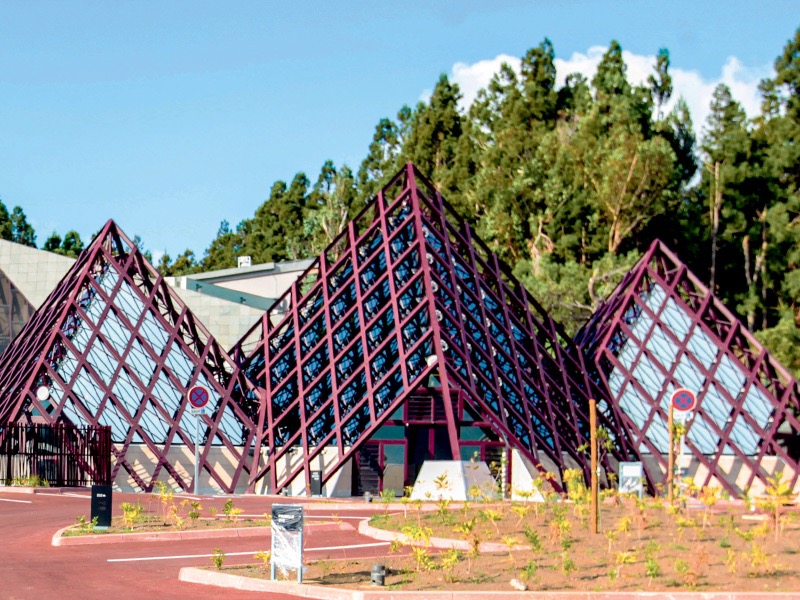
The Saga du Rhum is a museum dedicated to the history of sugarcane and rum in Réunion, located in Saint-Pierre in the island's south. It chronicles centuries of sugar economy, colonial exploitation, and the distillation expertise that has shaped Réunion's identity. The visit blends period artifacts, archival documents, and historical reconstructions to bring this complex story to life.
Practical Information at a Glance
- Admission: Paid (adult and reduced rates available on-site)
- Suggested duration: 1 to 1.5 hours
- Access: Saint-Pierre town center, accessible by car; parking nearby
- Dress code: No restrictions
What You'll See
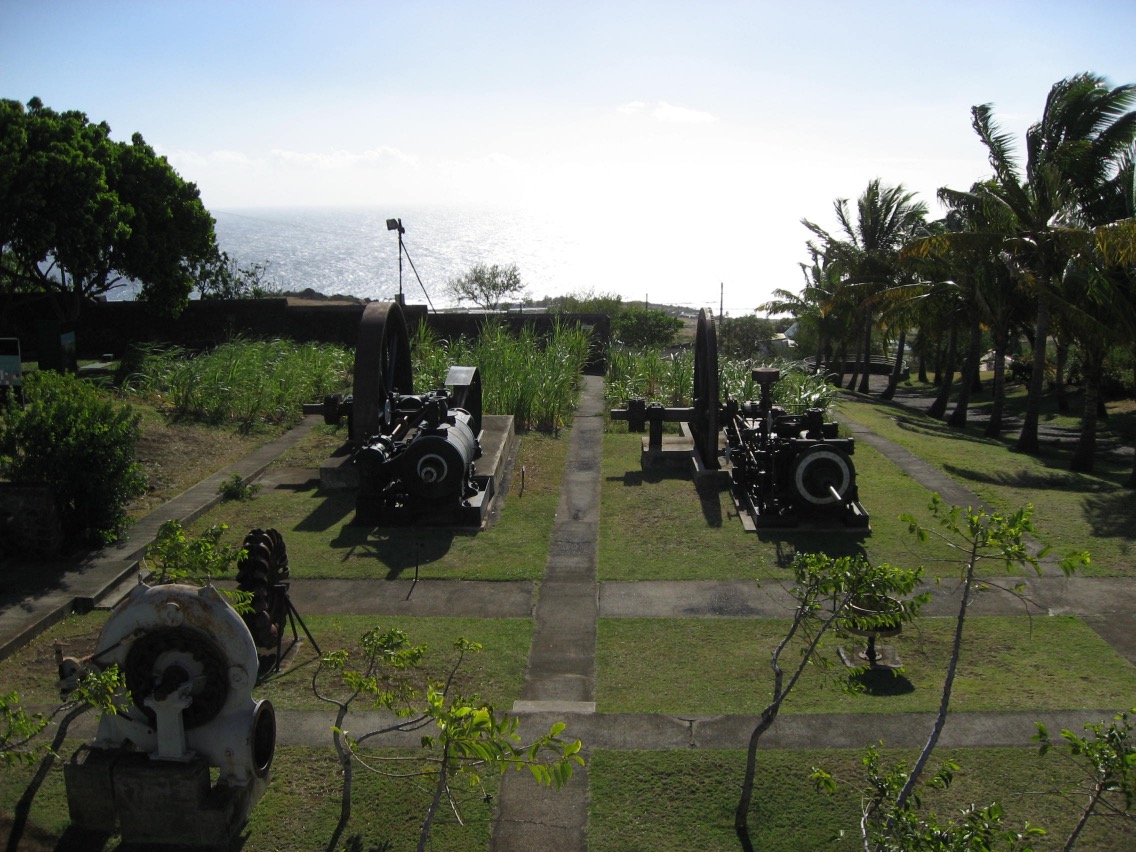
The permanent exhibition displays agricultural tools used for sugarcane cultivation, antique distillation mechanisms, and traditional stills. Period panels and documents illustrate the colonial plantation system and the role of enslaved and later indentured labor. A dedicated section showcases the different types of rum produced in Réunion—agricultural rum and distillery rum—with their distinctive characteristics.
History and Context
Sugarcane was introduced to Réunion in the 17th century. It became the economic pillar of the island by the 19th century, structuring society around large sugar estates. Rum distillation developed in parallel, initially as a byproduct of sugar manufacturing. Saint-Pierre, an active southern port, was central to this trade. The museum grounds this history in its original territory.
Highlights of the Visit
Stills and Distillation Equipment
The collection of antique equipment provides tangible insight into rum production processes, from cane cutting to barrel aging. Some pieces date from the 19th century and come from now-defunct Réunion distilleries.
Historical and Memorial Dimensions
The museum does not shy away from the slave trade and forced labor that enabled the sugar economy. This memorial aspect sets the Saga du Rhum apart from a purely technical museum, giving it genuine historical depth.
The Tasting
At the end of the tour, a tasting of local rums is typically offered. This is an opportunity to distinguish the aromatic profiles of the island's different rum productions.
Photography Tips
Interiors are dimly lit; high ISO settings or image stabilization are helpful. Copper stills offer beautiful reflections. Check with staff whether photography is permitted in all rooms.
Location and Access
The museum is located in the town center of Saint-Pierre, a commune in southern Réunion, approximately 25 km from Saint-Louis and about 50 km from Saint-Denis via the coastal road. Saint-Pierre is served by the Kar'Ouest intercity bus network. By car, public parking is available near the waterfront.
Nearby Attractions
- Saint-Pierre Waterfront — lively promenade overlooking the lagoon, a few minutes on foot.
- Saint-Pierre Market — colorful market offering spices, exotic fruits, and local crafts.
- Saint-Pierre Beach — black sand beach protected by a lagoon, ideal for swimming.
- Manapany-les-Bains — natural pool nestled in the rocks, a few kilometers to the south.
Frequently asked questions
Individual visits generally do not require advance reservation. For groups, it is recommended to contact the museum directly.
Yes, the tour is accessible to all. The historical dimension and antique objects can spark curiosity in children from ages 8-10 and up.
A shop typically offers rums and local products at the end of the visit.
The museum is open year-round. The dry season (May to November) is most pleasant for exploring Saint-Pierre and its surroundings.
Yes. The market, waterfront, and beach are all within walking distance. A half-day is sufficient to combine the Saga du Rhum with a stroll through town.
Nearby
Interested in this visit?
We can include it in your personalised itinerary.