La Provanille
La Provanille
In Bras-Panon, the heart of Réunion's vanilla production, La Provanille offers a complete immersion in the bourbon vanilla cycle: from flowering vines to ripened pods, with direct sales on-site.
La Provanille is an agricultural farm and discovery space dedicated to vanilla, located in Bras-Panon in eastern Réunion. This village is recognized as the heart of Réunion's vanilla production. The visit allows you to understand the complete cycle of bourbon vanilla: cultivation, hand pollination, drying and preparation. A tangible stop for anyone interested in the flavors and tropical agriculture of the island.
What to see
The visit centers on the different stages of bourbon vanilla production. You observe the vanilla vine lianas climbing their supports, the delicate flowers that require hand pollination—a precise gesture performed each morning during flowering. The green pods, then dried and ripened, illustrate the transformation that gives Réunion vanilla its distinctive aromatic profile.
- Vanilla vines in cultivation: lianas, flowers and pods at different stages.
- Pollination demonstration: hand technique specific to bourbon vanilla.
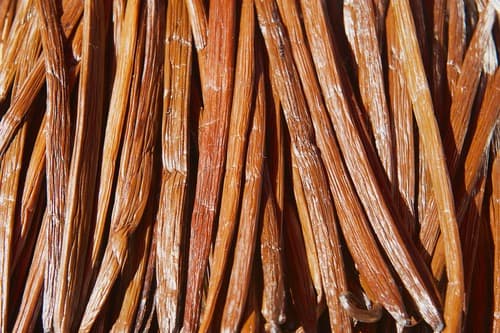
- Drying and ripening: process that concentrates the aromas of the pods.
- Sales area: pods, extracts and derivative products made from local vanilla.
History and context
Vanilla was introduced to Réunion in the 19th century. It was on Réunion that Edmond Albius, a freed slave, developed in 1841 the hand pollination technique that made possible the commercial cultivation of vanilla outside its native Mexico. Bras-Panon inherited this tradition and remains today the island's main bourbon vanilla production zone, an appellation recognized for its quality.
Highlights of the visit
Hand pollination
Witnessing this gesture—or seeing a demonstration—is the most educational moment. Each flower opens for only one day; the producer has just a few hours to intervene. This detail explains the high cost of quality vanilla.
The scent of ripening pods
The pods being dried release an intense fragrance, very different from industrial extract. This is often what visitors remember most vividly from the visit.
The sales area
Whole pods, powder, vanilla sugar and extracts are offered directly at source. Traceability is immediate: you know exactly where what you're buying comes from.
Photography tips
Morning light is ideal for photographing vanilla orchid flowers, delicate and pale yellow-white. Green pods against dark foliage create sharp contrasts. Avoid using flash inside drying areas to avoid disrupting ongoing work.
Location and access
Bras-Panon is located on the east coast of Réunion, between Saint-André and Saint-Benoît, accessible via the RN2. La Provanille is located within the Bras-Panon commune itself. A personal vehicle is recommended; public transportation serves Bras-Panon from Saint-Denis or Saint-Benoît but frequency is limited.
Nearby attractions
- Bras-Panon Vanilla Cooperative — another landmark for the local vanilla trade, with direct sales.
- Biberon Waterfall — accessible from Bras-Panon in a forest setting.
- Saint-Benoît — neighboring town with market and access to the highlands of eastern Réunion.
Frequently asked questions
Vanilla flowering typically occurs between August and November. This is the period when you can observe hand pollination in action. Outside this window, the visit remains interesting for understanding the drying and ripening of the pods.
Explanations are generally provided on-site by the producers. It is advisable to contact La Provanille directly before your visit to confirm reception arrangements and opening hours.
Yes, a sales area offers pods and derivative products from local production. This is one of the practical benefits of the visit.
No special attire is required. Closed-toe shoes are preferable if you walk through the outdoor cultivation areas.
Plan for approximately one to one and a half hours for a complete visit including explanations and the sales area.
Interested in this visit?
We can include it in your personalised itinerary.