Makes Astronomical Observatory
Makes Astronomical Observatory
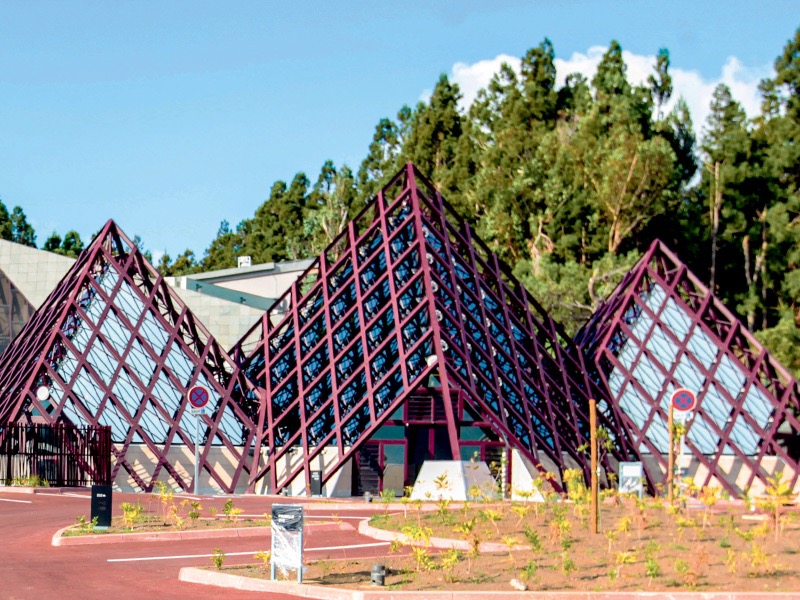
Perched at 1,000 m altitude in the highlands of Saint-Louis, the Makes Observatory offers night observation sessions beneath one of the clearest skies in Réunion.
Set at approximately 1,000 metres altitude in the wooded cirque of the Makes, this observatory is one of the rare astronomy observation sites open to the general public in the Indian Ocean. Far from the light pollution of Réunion's coastline, the sky here ranks among the island's clearest. The Makes thus offer a tangible gateway into astronomy, whether for families or passionate enthusiasts.
Quick reference guide
- Access: The Makes lie in the highlands of Saint-Louis, accessible via the Makes road from the town centre.
- Recommended duration: Allow 1 h 30 to 2 h for a night observation session.
- Attire: Bring warm clothing — nights at altitude are cool, even in the austral summer.
- Reservation: Night sessions require advance booking; inquire directly with the observatory.
What you'll see
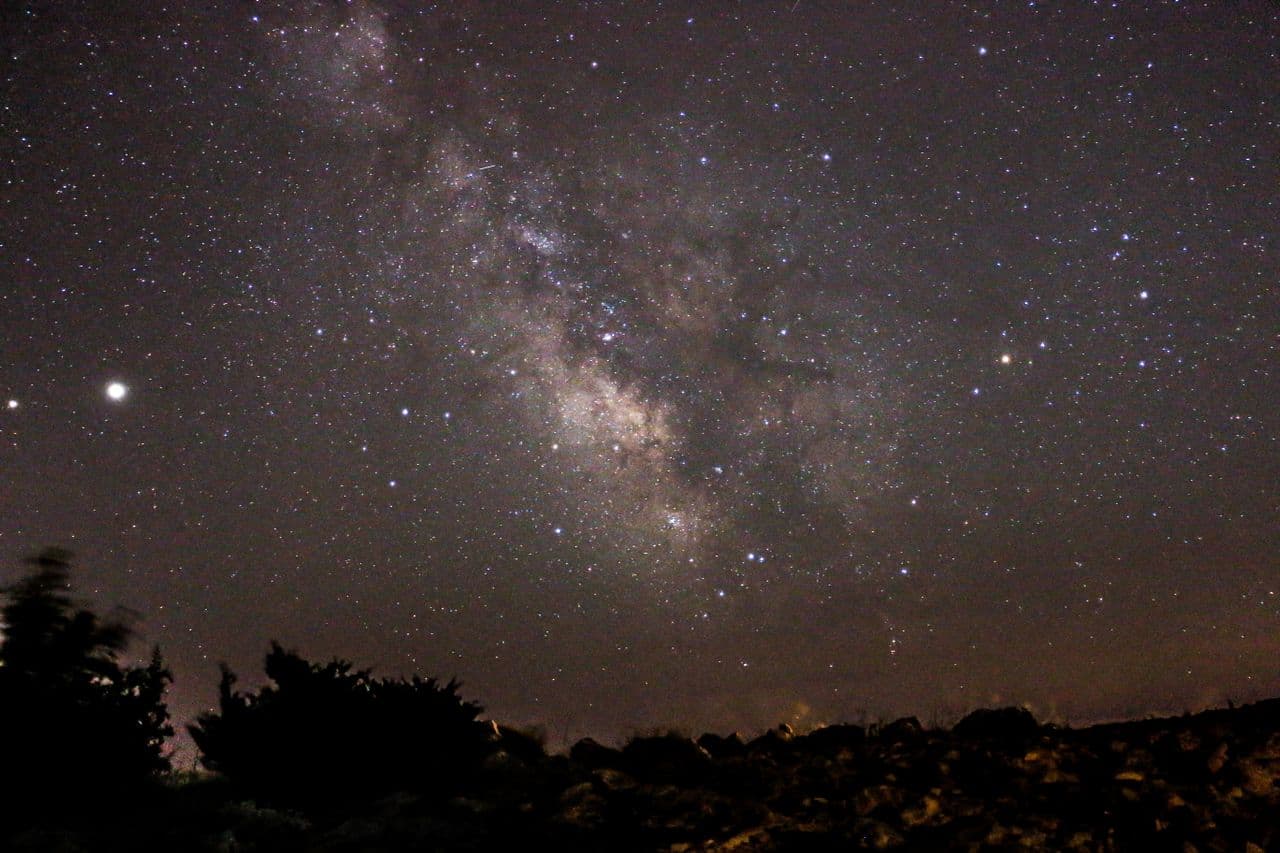
The observatory is equipped with telescopes for observing the Moon, planets of the solar system, nebulae and star clusters. Guides explain the constellations visible from the southern hemisphere, which differ from those recognised in Europe. On clear nights, the Milky Way is visible to the naked eye from the site.
History and context
The Makes Observatory was created at the initiative of amateur Réunion astronomers wishing to democratise astronomy on the island. The choice of site is deliberate: the Makes benefit from a favourable microclimate, with nights often clear despite frequent clouds on the slopes. The site has become a reference point for the local astronomy community.
Highlights of your visit
Night observation sessions
This is the heart of the experience. A guide leads visitors through the austral sky, identifies visible planets and directs the telescopes. Both children and adults can observe directly through the eyepiece.
Educational exhibitions
Panels and scale models explain the solar system, interstellar distances and the history of astronomy. A valuable complement to observation for understanding what you're viewing.
The natural setting of the Makes
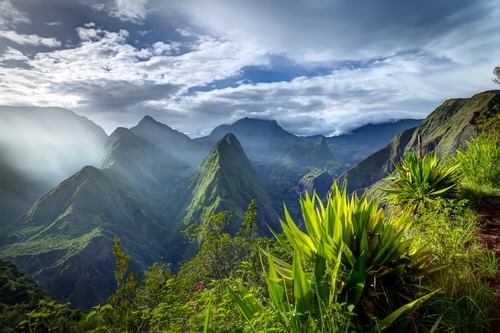
The Makes village is surrounded by cryptomeria forest and mountain landscapes typical of Réunion's highlands. The access road itself offers views over the surrounding valleys.
Photography tips
Night photography is possible from the site. Bring a sturdy tripod and set your camera to long exposure (15 to 30 seconds) with high ISO sensitivity to capture the Milky Way. Avoid flash, which disrupts the dark adaptation of other visitors. Check with guides whether photography through the telescopes is permitted during your session.
Location and access
The Makes are situated in the highlands of Saint-Louis, on Réunion's west-south coast. The Makes road rises from Saint-Louis town centre through sugarcane fields then forest. A personal vehicle is recommended; the road is tarmacked but winding. The village is approximately half an hour's drive from Saint-Louis.
Nearby, you can combine your visit with the Makes Window, a natural viewpoint offering a plunging view over the Cilaos cirque.
In the area
- Makes Window — Natural viewpoint carved into rock, with a vertiginous view over forest and steep valleys.
- Cilaos Cirque — One of the island's three volcanic cirques, accessible from Saint-Louis, with hiking and thermal springs.
- Saint-Louis — Town on the south-west coast, departure point for the Makes highlands and the Cilaos road.
Frequently asked questions
Yes, night observation sessions require advance booking. Contact the observatory directly to check availability and terms.
Nights at the Makes are cool, even in the austral summer. Bring a jumper or jacket and closed-toe shoes. A windbreaker is useful if it's windy.
Yes, sessions are designed to be accessible to all ages. Guides tailor their explanations to the audience present, including younger visitors.
Absolutely. The Makes Window is a few minutes' drive from the observatory. Plan a daytime visit to the viewpoint, then astronomical observation in the evening.
Yes, cloudy skies prevent observation. The Makes benefit from a favourable microclimate, but check conditions before travelling, especially during the rainy season.
Interested in this visit?
We can include it in your personalised itinerary.