Saint-Louis
Saint-Louis
Between sugarcane fields, an active sugar factory and the star-filled skies of Makes, Saint-Louis reveals the authentic Creole Réunion of the southwest.
Nestled between the Indian Ocean and the foothills of Piton des Neiges, Saint-Louis cultivates an authentic Creole identity at the heart of southwestern Réunion. This municipality in the 974 unfolds three contrasting faces: a coastal plain carpeted with sugarcane fields, a rural hinterland rooted in tradition, and the Makes Plain perched at 1,200 metres elevation. From the still-active Gol sugar factory, the astronomical observatory of Makes and diverse religious heritage, the town offers a tangible immersion into living Réunion.
Saint-Louis at a Glance
- Region: Southwest of Réunion (974)
- Area: 100 km², between Gol Pond and Makes Plain
- Elevation: Sea level to 1,200 m
- Climate: Tropical humid (Aw), 23 °C average, 1,183 mm/year
- Key Features: Labelled Creole Village, Star Village since 2010
- Recommended Duration: 1 to 2 days, or as a stopover to Cilaos
A History Written by Sugarcane
In 1726, the Saint-Louis district was established, named in tribute to Louis XV. The town organised itself around the church built near Gol and was declared a municipality in 1815, with Monsieur de La Gironde as its first mayor.
The region's development as a sugar zone only took place after the creation of a canal network supplying water from the Bras de Cilaos. Gol then became a vast sugarcane field, whilst the town expanded between the plain and the Saint-Étienne river. By the late 19th century, several sugar factories concentrated activity at Gol.
Saint-Louis experienced prosperity in the 1920s-1930s, before plunging into hardship after 1945. Living conditions deteriorated sharply. Around the 1950s-1960s, departmentalisation greatly benefited the municipality, which acquired school and hospital infrastructure along with adequate social housing.
Three Territories in One
Saint-Louis stretches across 100 km² between Étang-Salé to the north, Saint-Pierre to the south and Cilaos to the east. The municipality comprises 22 districts, from the shores of the Gol Pond to the heights of Makes Plain. The territory is divided into three distinct zones, each with its own attractions.
The Rural Area
Comprising the localities of La Rivière, Tapage, Bellevue and Gol-les-Hauts, this zone lives primarily from sugar and fruit farming. Some residents still practise woodcraft, a legacy of families established in the highlands.
The Coastal Plain
Dominated by vast sugarcane fields that nourish the island economy, it is home to one of the last sugar factories in Réunion, coupled with a power station producing electricity from bagasse.
The Makes Plain
Located between 900 and 1,200 m elevation, this upper area hosts an exceptional forest and several tourist sites. Creole traditions are jealously preserved by locals here: the town is part of the "Creole Villages" network. In 1991, an astronomical observatory opened in the heart of the plain, earning it the status of "Star Village" in 2010.
What to See and Do in Saint-Louis
The Gol Sugar Factory
The sugar season runs at full steam from July to December. This is the window to visit the Gol sugar factory and understand the sugar manufacturing process, from crushing to crystallisation via evaporation. Guided tours last approximately 1 hour 30 minutes and must be booked in advance during peak season.
Religious Heritage in the Town Centre
Saint-Louis concentrates three places of worship that summarise Réunion's diversity. The Saint-Louis church from the 19th century dominates the central square. The old Hindu temple is listed as a Historic Monument. The Masdjid Mubarak mosque is recognised by its blue minaret of Indo-Pakistani inspiration, one of the most photographed on the island.
The Makes Observatory
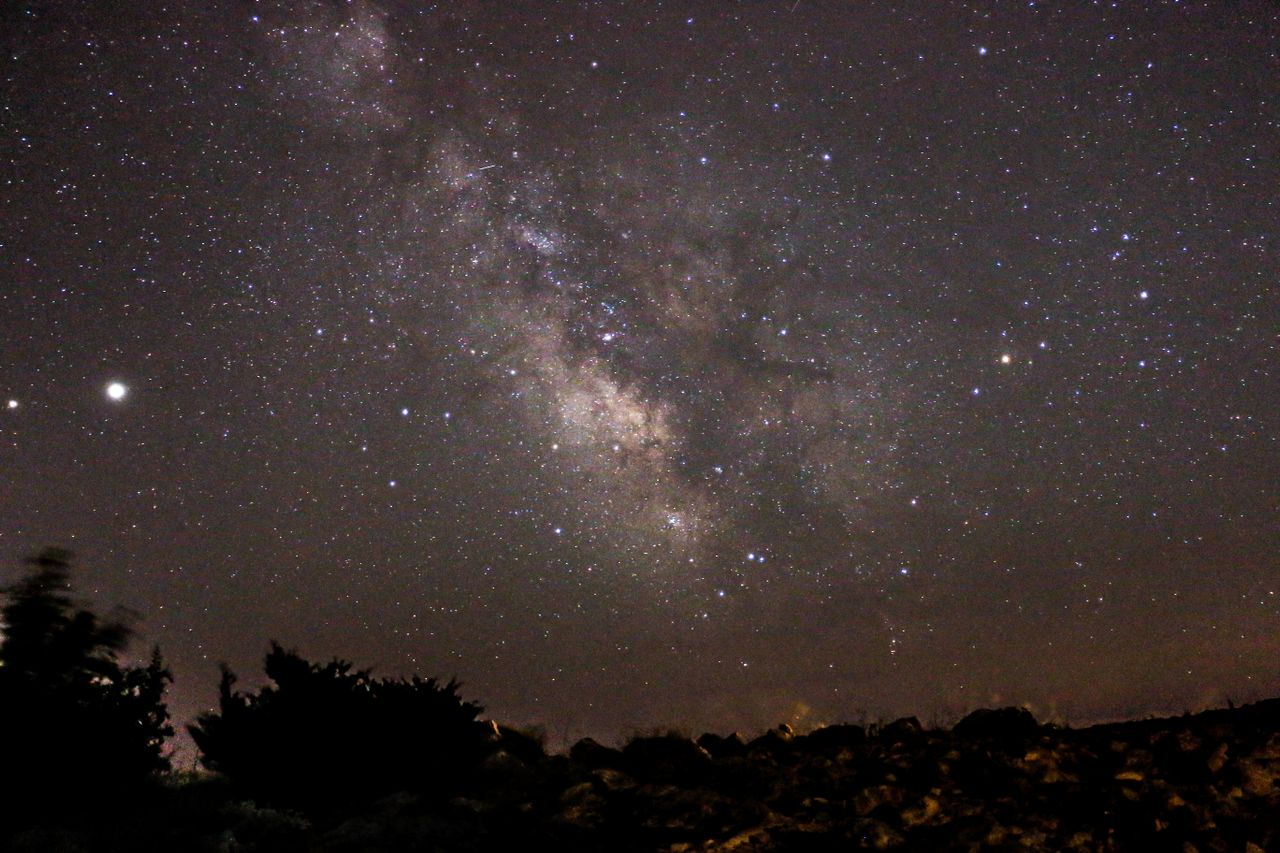
At 1,000 metres elevation, the astronomical observatory offers evening stargazing sessions of the southern sky. The Star Village label guarantees minimal light pollution: the Milky Way is visible to the naked eye on clear nights.
The Makes Window Viewpoint
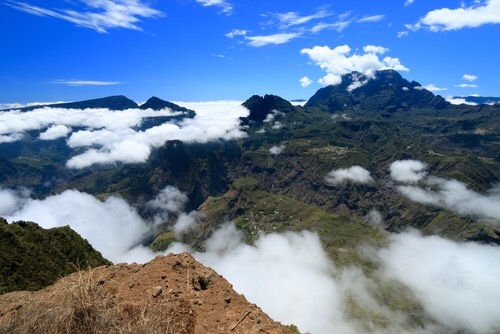
From the observatory, a forest track leads to the Makes Window viewpoint. The view drops directly onto the Piton des Neiges and the Cilaos cirque. The panorama is clear in the morning, before clouds rise from the highlands.
Gol Pond
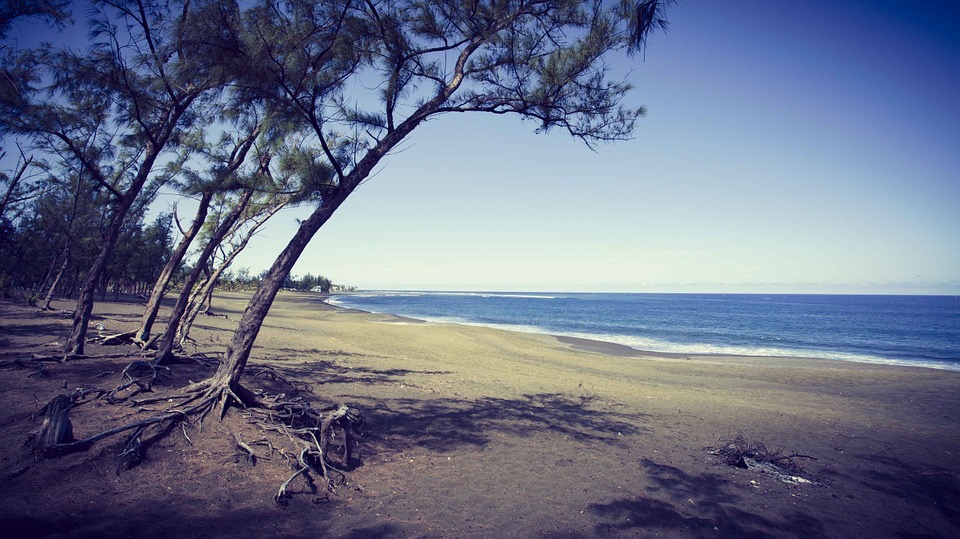
This wetland bordering the sea is ideal for family picnics and birdwatching. A peaceful body of water bordered by filaos trees, it is the Sunday gathering spot for Saint-Louisiens.
When to Visit Saint-Louis
Saint-Louis inherits a tropical humid climate, Aw type according to Köppen and Geiger classification, with two distinct seasons. Annual temperatures average around 23 °C, with 1,183 mm of rainfall.
- May to November (Southern winter): dry season, stable weather, ideal for hiking to Cilaos and stargazing. Bring a fleece for Makes evenings.
- July to December: sugar season in full swing, unique window for visiting Gol.
- December to April (Southern summer): hot, humid, with occasional cyclones. Less favourable period but landscapes of intense green.
The best combination remains August-October: clear skies, factory open, mild temperatures in the highlands.
How to Get to Saint-Louis
The main international airport is Saint-Denis Roland-Garros (RUN), 1 hour 15 minutes away by car. Pierrefonds airport in Saint-Pierre is just 15 minutes' drive but only serves a few regional connections.
The Route des Tamarins (RN1) and Coastal Road connect Saint-Louis to Saint-Pierre, Saint-Leu, La Possession, Le Port and Saint-Denis. The RN5 climbs to Cilaos in approximately 1 hour 15 minutes, on one of the island's most spectacular roads (400 bends, several tunnels). The RN2001 links to Saint-Gilles-les-Bains and Étang-Salé-les-Bains.
Car rental remains the simplest option. Car Jaune buses serve the municipality from Saint-Denis and Saint-Pierre, but frequencies are limited at weekends.
Where to Stay in Saint-Louis
Accommodation is family-oriented, reflecting the nature of the municipality. Three types stand out.
- Creole guesthouses and bed & breakfasts (€15-30/night): mostly in Makes Plain or the highlands. Stays with locals, table d'hôtes with rougail sausages, authentic atmosphere.
- Charming hotels (€60-120/night): a few addresses in the town centre and near Gol Pond, standard comfort with pool.
- Character lodges (€150+/night): rare but present in the heights, with views of Piton des Neiges and spa-type amenities.
For a discovery-focused stay, sleeping in Makes allows you to enjoy the starry sky and head out early to Cilaos.
Insider Tips
- Book the observatory in advance: stargazing evenings fill up quickly, especially during the dry season.
- Sugar factory: aim for morning from July to December, activity is more visible and heat is manageable.
- Makes Window viewpoint: before 10 a.m., otherwise the cloud sea obscures the view of Cilaos.
- Saturday street market in the centre: tropical fruit, samosas, local sweets and preserves at local prices.
- Cilaos road: no trailers, no large vans. Tricky passing in narrow tunnels.
- Clothing: pack a warm layer for Makes, even in mid-summer — it can be 12 °C at night.
Saint-Louis, Who is it For?
- Travellers curious about industrial heritage: the Gol sugar factory is one of the last active in the Indian Ocean.
- Astronomy enthusiasts: the Star Village label and observatory make it a rare spot in the Southern Hemisphere.
- Families: Gol Pond, Makes forest and educational visits combine easily.
- Hikers heading to Cilaos: logical stopover before tackling the cirque.
- Travellers seeking authentic Creole experience: less touristy than Saint-Gilles, livelier than perched villages.
Frequently Asked Questions About Saint-Louis
Frequently asked questions
One day is enough for the town centre, Gol sugar factory and the pond. Allow 2 days if you stay in Makes Plain to enjoy the observatory and viewpoint.
No. Guided visits follow the sugar season, from July to December. Outside this period, the factory closes for maintenance. Booking is advised during peak season.
The RN5 connects Saint-Louis directly to Cilaos in approximately 1 hour 15 minutes. The road has 400 bends and several narrow tunnels: proceed with caution, and forget about large vehicles or trailers.
The two complement each other. Saint-Pierre concentrates beach and nightlife activity, Saint-Louis offers sugar heritage, the starry skies of Makes and quick access to Cilaos. Combine both on the same southern trip.
The dry season, from May to November, guarantees the maximum number of clear nights. New moons in August, September and October offer the best conditions for the Milky Way.
Also Worth Discovering
Saint-Louis naturally fits into a southern circuit of Réunion, extending to the Cilaos cirque for hiking, Saint-Pierre for coastal activity and Plaine des Cafres for the Volcano route. To create a bespoke itinerary, our local expert can guide you based on your pace and the season.
Want to discover this destination?
Our local advisors design your tailor-made trip.