Museum of Music and Musical Instruments of the Indian Ocean
Museum of Music and Musical Instruments of the Indian Ocean
In Hell-Bourg, nestled in the Salazie cirque, this private museum traces the musical blends of the Indian Ocean through a unique collection of traditional instruments from Réunion, Madagascar, Mauritius, and the Comoros.
Nestled in Hell-Bourg, within the Salazie cirque, this private museum brings together a remarkable collection of traditional musical instruments from the islands of the Indian Ocean — Réunion, Madagascar, Mauritius, Comoros, and Seychelles. It documents the richness of musical blending that has shaped Réunion's Creole culture, from maloya to séga and beyond, encompassing lesser-known forms.
What you'll discover
The collection features stringed instruments, percussion, and wind instruments gathered from across the region. Notably present are local variations of the kayamb, roulèr, and pikèr, emblematic instruments of Réunion's maloya—recognized by UNESCO as intangible cultural heritage. Panels contextualize each piece within its island of origin and its ritual or festive practice.
History and context
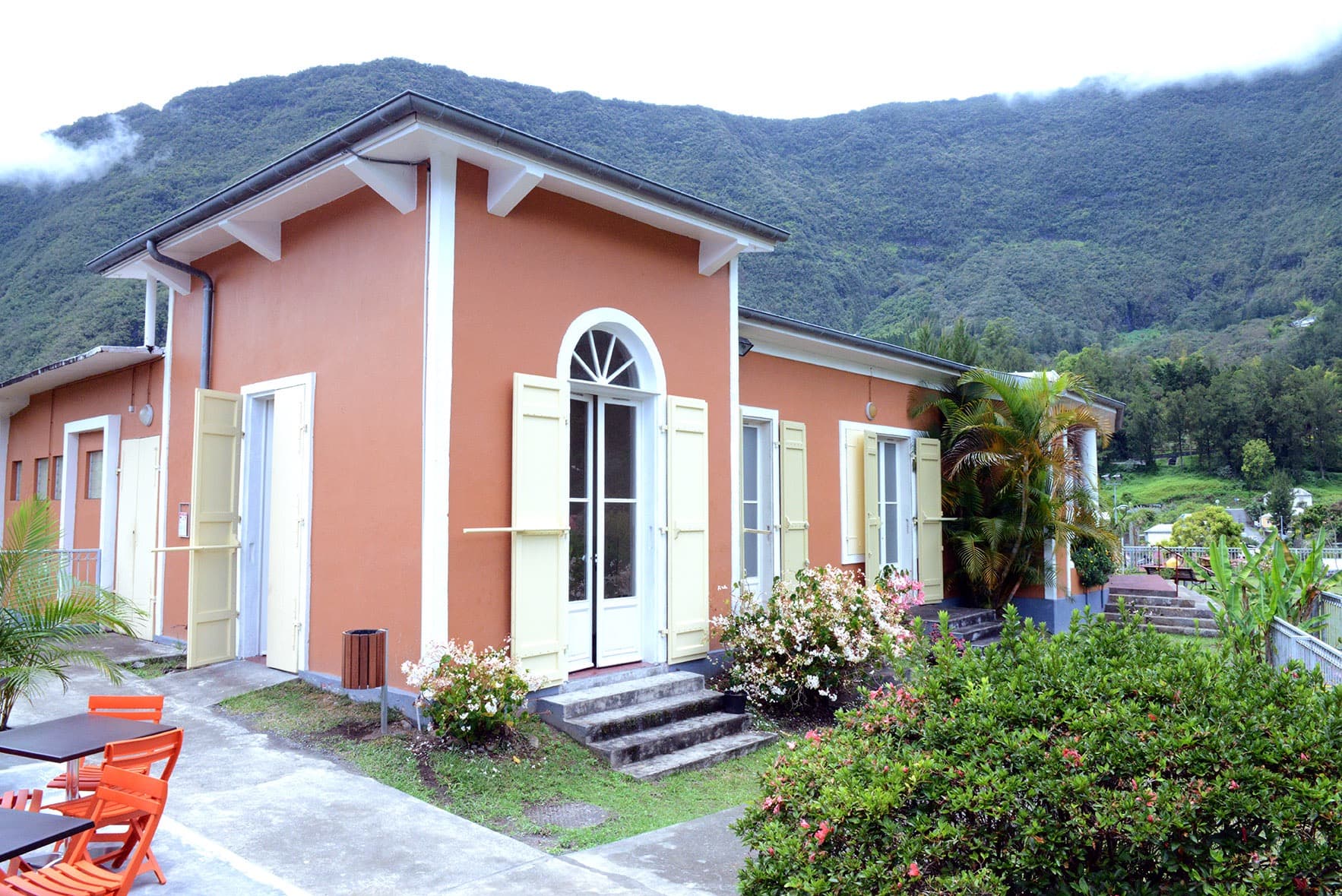
The museum is a private initiative driven by a passionate collector of traditional music. Hell-Bourg, classified among France's most beautiful villages, provides an apt setting: the town preserves remarkable Creole architectural heritage and an atmosphere conducive to cultural discovery. The Salazie cirque, historically isolated and enclosed, has preserved musical practices inherited from slavery and indentured labor.
Highlights of your visit
Maloya instruments
Maloya, a music of resistance born in the plantations, is represented through its founding instruments. The visit illuminates how these simple objects—often crafted from local materials—carried a cultural identity long suppressed and now celebrated.
The influence of neighboring islands
The regional dimension sets this museum apart from purely Réunion-focused collections. Madagascan, Mauritian, and Comorian instruments illustrate the human and musical exchanges across the Indian Ocean since the 17th century.
Photography tips
Natural light is often limited indoors. Focus on the craftsmanship details of the instruments—strings, stretched skins, carved elements—rather than wide views. Check with the curator about photography permissions before you begin.
Location and access
Hell-Bourg lies within the Salazie cirque, reachable from Saint-André on the east coast via a winding road of roughly 30 km. The village is served by the yellow buses of the Car Jaune network from Saint-André. Parking is available at the village entrance. Accessibility for visitors with reduced mobility may be limited depending on the venue's layout—inquire ahead of your visit.
In the area
- Hell-Bourg — a classified Creole village with charming wooden houses featuring flower-draped verandas, best explored on foot.
- Salazie Cirque — a landscape of cascades and vertiginous cliffs, one of the island's three natural cirques.
- Bridal Veil Waterfall — a spectacular cascade visible from the Salazie road, a classic stop along the route.
Frequently asked questions
This private museum often operates by appointment or with restricted hours. Contact it directly before visiting to confirm opening times.
Yes, the sensory dimension of the instruments and their varied forms make the visit engaging for curious children, especially if a guide presents the pieces.
Easily. The village is walkable in about half a day. Hiking trails depart directly from the village toward the cirque's ramparts.
The dry season (May to November) offers the most favorable conditions. In the southern summer, the cirque is often shrouded in clouds and rainfall can be intense.
Depending on the period, the founder or a guide can accompany your visit and explain the history of each instrument. Inquire when you make contact.
Interested in this visit?
We can include it in your personalised itinerary.