Carrère House
Carrère House, in the heart of Saint-Denis, is a 19th-century Creole residence featuring elaborate decorative trim and the characteristic varangue gallery. A key stop on the colonial heritage trail of Réunion's capital.
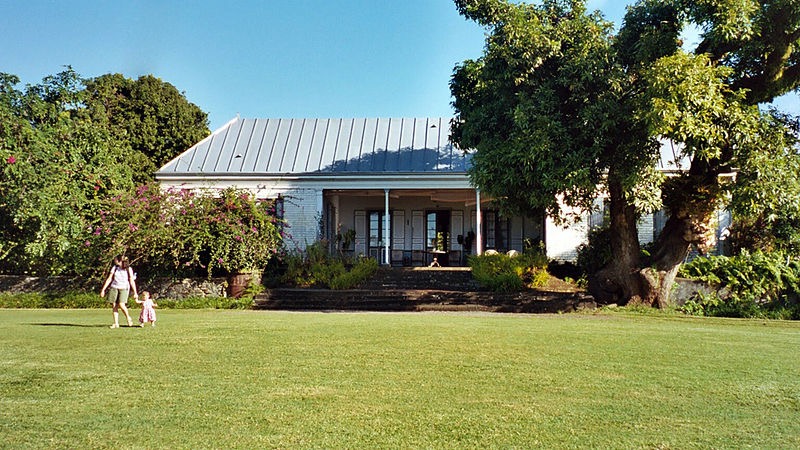
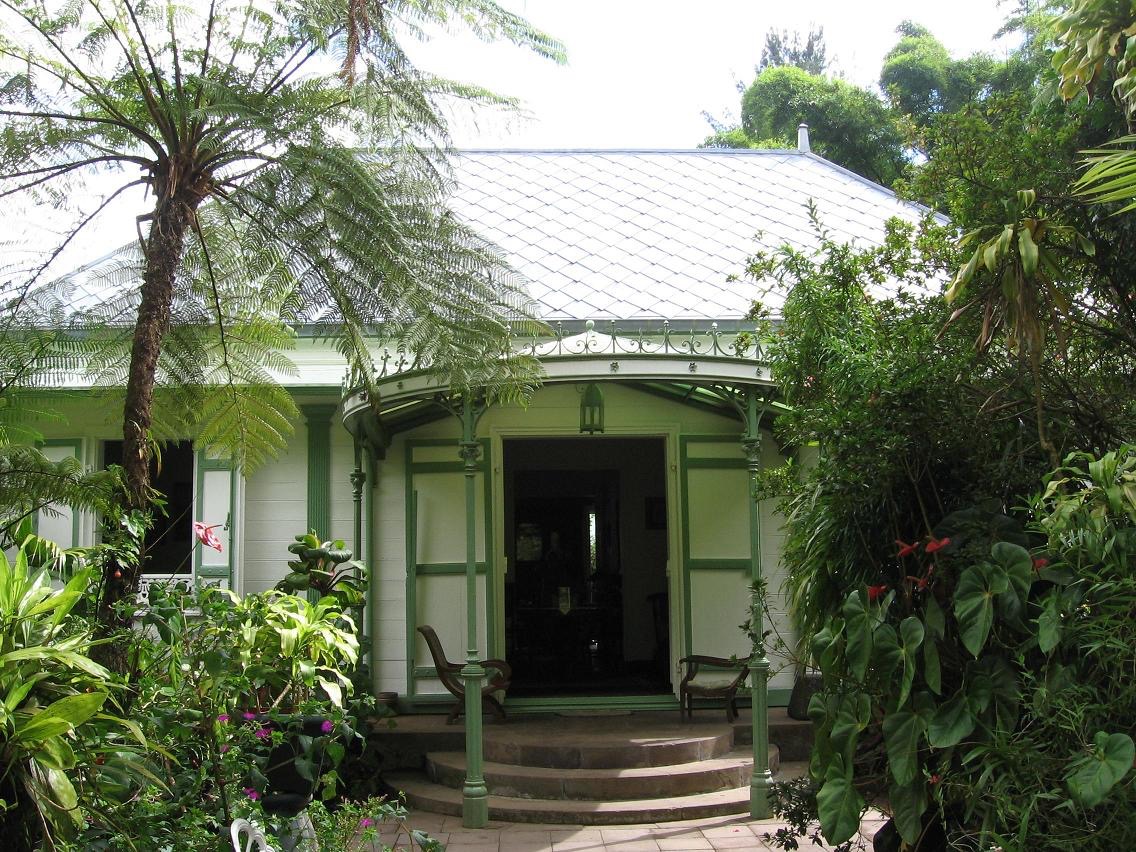
Carrère House is one of the best-preserved Creole residences in central Saint-Denis, the capital of Réunion. Built in the 19th century, it exemplifies local colonial architecture: ornate varangue (covered gallery), sculpted woodwork, and corrugated iron roofing. It bears witness to the Creole bourgeois way of life and ranks among the classified buildings that punctuate the historic heart of the city.
What to See
The façade is the primary attraction: the varangue—a covered gallery typical of Creole homes—runs the full length of the front, supported by finely crafted wooden columns. The lambrequins (decorative trim boards cut beneath the eaves) are characteristic of 19th-century Reunionese colonial style. Together, they form a coherent example of Saint-Denis's bourgeois domestic architecture.
History and Context
The grand Creole mansions of Saint-Denis were erected primarily between 1820 and 1880, when the city was asserting itself as the administrative and commercial center of the island. The Carrère family, like other wealthy families of the era, commissioned a residence that combined tropical comfort with European aesthetic codes. This type of dwelling reflects the cultural fusion inherent to Réunion: local building techniques, imported materials, and blended French and Creole influences.
Highlights of Your Visit
The Varangue and Woodwork
Observe the precision of the wood carvings: each lambrequin is unique. The varangue served both as living space and thermal barrier, maintaining coolness inside. It is the most photographed element of the house.
Integration into the Historic District
Carrère House is part of a coherent urban ensemble. The street beside it allows you to compare several styles of Creole houses side by side, from the most modest to the most elaborate. A walking tour through this sector reveals the density of colonial heritage in Saint-Denis.
Photography Tips
Morning light, before the sun climbs too high, is ideal for photographing the façade without harsh shadows. Frame with a slight upward angle to emphasize the lambrequins and the depth of the varangue. Avoid peak traffic hours that clutter the foreground.
Location and Access
Carrère House is located in central Saint-Denis, in the historic sector that concentrates the bulk of the capital's colonial heritage. This quarter is accessible on foot from rue de Paris and the main thoroughfares of the city center. The Car Jaune urban bus network serves central Saint-Denis from different quarters across the island.
Nearby Attractions
- Léon Dierx Museum — one of the oldest fine arts museums in the Indian Ocean, just a few minutes' walk away.
- State Garden — historic botanical garden in the heart of Saint-Denis, perfect for a break after your visit.
- Saint-Denis Cathedral — a central religious edifice, representative of Reunionese colonial religious architecture.
- Rue de Paris — heritage axis lined with classified Creole houses, worth exploring on foot.
Frequently asked questions
Carrère House is primarily appreciated from the outside for its façade architecture. Interior access depends on the building's current use; inquire at the Saint-Denis Tourism Office before your visit.
A careful exterior observation takes about fifteen minutes. Include the house as part of a walk through the historic quarter of Saint-Denis, which merits one to two hours in total.
The dry season (May to November) offers clearer skies, favorable for photography. Central Saint-Denis can be visited year-round, but avoid the hottest hours in southern summer (December–March).
Carrère House fits naturally into a walking circuit of the historic center: rue de Paris, State Garden, Léon Dierx Museum, and the cathedral are all accessible on foot within a short radius.
Photographing the façade from public land is free. If the building is occupied or managed, seek permission before photographing the interior or occupants.
Nearby
Interested in this visit?
We can include it in your personalised itinerary.