Natural History Museum of Réunion
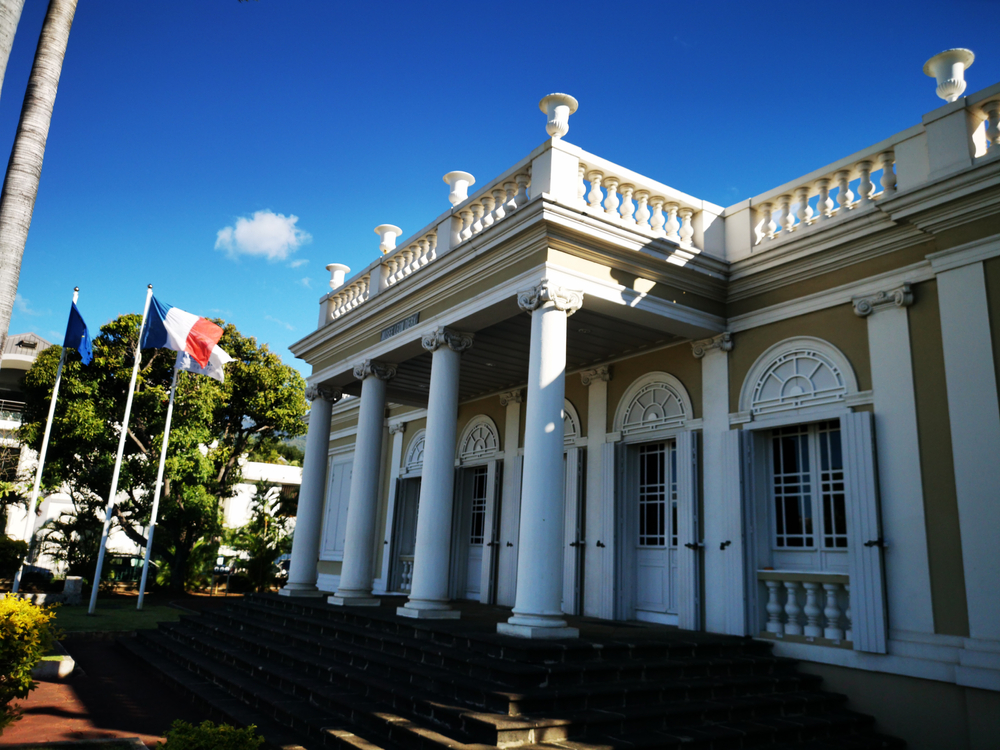
In the heart of Saint-Denis, the Natural History Museum showcases the fauna, flora and geology of Réunion, featuring rare specimens including dodo bones. Plan for 1 hour to better understand the island's ecosystems.
Located in the center of Saint-Denis, the Natural History Museum of Réunion preserves and presents the exceptional biodiversity of the island and the Indian Ocean. Collections of Réunion fauna, flora and geology sit alongside rare specimens, including remains of the famous dodo from nearby Mauritius. A worthwhile stop for understanding island ecosystems before heading out to explore the terrain.
Quick facts
- Admission: paid (reduced rates available)
- Suggested duration: 1 to 1.5 hours
- Access: Saint-Denis city center, walking distance from the Barachois
What to see
The museum arranges its collections across several thematic galleries. Endemic fauna from Réunion takes center stage: taxidermied birds, insects, reptiles and fish from coastal waters. One section is devoted to the island's volcanic geology, featuring rock and mineral samples from Piton de la Fournaise and Piton des Neiges.
Among the most remarkable pieces are bones and reconstructions of the dodo (Raphus cucullatus), an extinct bird from the neighboring island of Mauritius. Marine species from the Indian Ocean complete the natural landscape of the region.
History and context
The museum is part of a long tradition of scientific collecting linked to Réunion's colonial history. The first collections were assembled in the 19th century, when naturalists and explorers were documenting the fauna and flora of Indian Ocean islands. The institution has since evolved toward a mission of conservation and raising awareness of local biodiversity, now threatened by invasive species and human pressure.
Highlights of your visit
Dodo specimens
Rare worldwide, the dodo bones and casts displayed here remind us of the fragility of island species. The flightless bird disappeared by the late 17th century following the arrival of European colonists in Mauritius.
Endemic Réunion fauna
Birds such as the Réunion Cuckooshrike (Coracina newtoni) and Barau's Petrel are among the species on display. These displays offer a concrete overview of the biodiversity visible in the island's highlands.
The volcanic geology section
Basaltic rocks, volcanic ejecta and minerals illustrate the geological formation of the island. An effective visual complement before hiking to Piton de la Fournaise.
Photography tips
Photography is generally permitted in the galleries, without flash to preserve taxidermied specimens. Backlit display cases provide good contrast for close-ups of insects and minerals. Check any restrictions at the entrance before you begin.
Location and access
The museum is located in the historic center of Saint-Denis, near the Barachois and the Jardin de l'État. The area is accessible on foot from the main downtown thoroughfares. Car Jaune bus network lines serve Saint-Denis from other communes on the island.
Nearby attractions
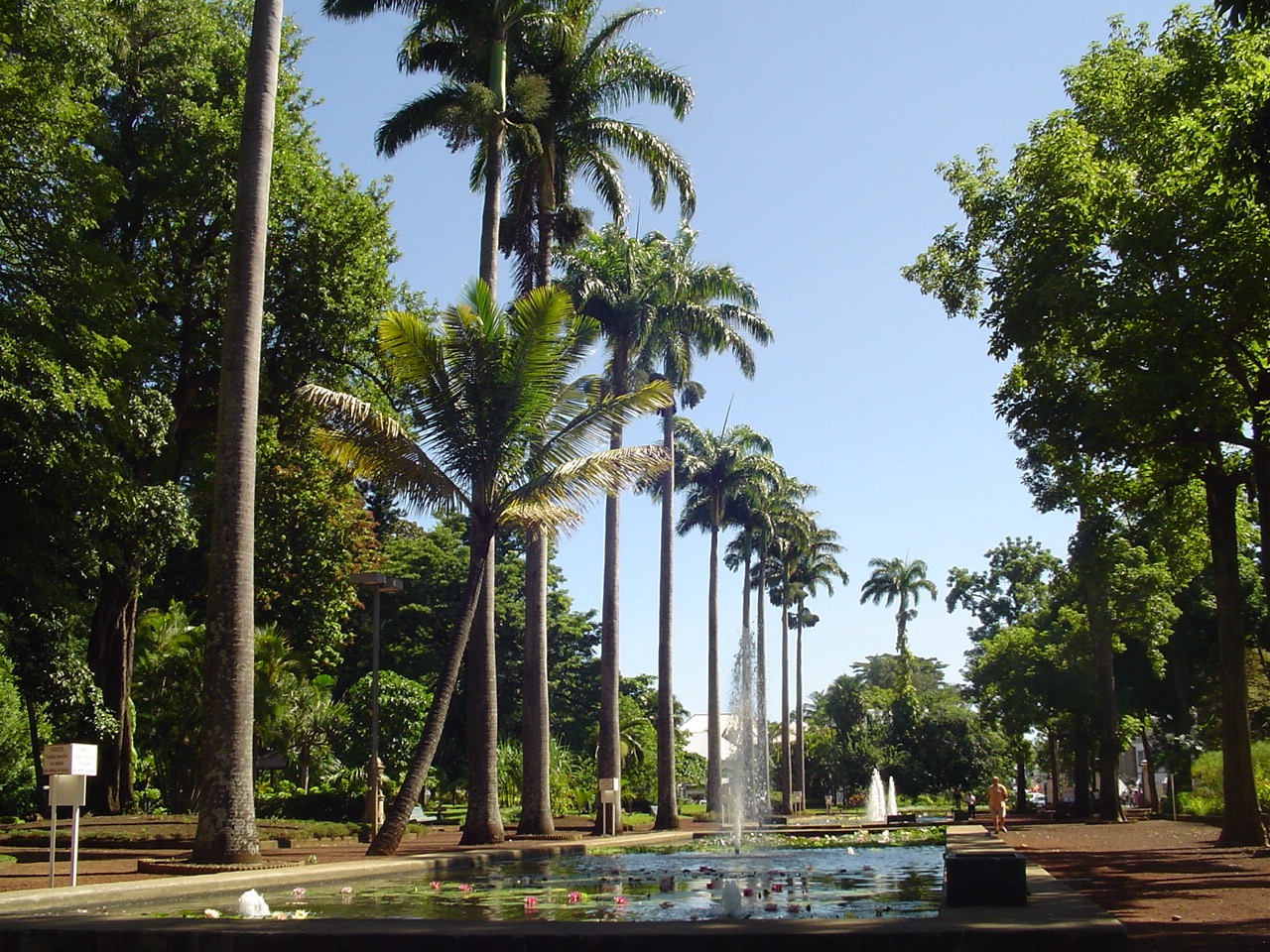
- Jardin de l'État — historic botanical garden adjacent to the museum, ideal for a break after your visit.
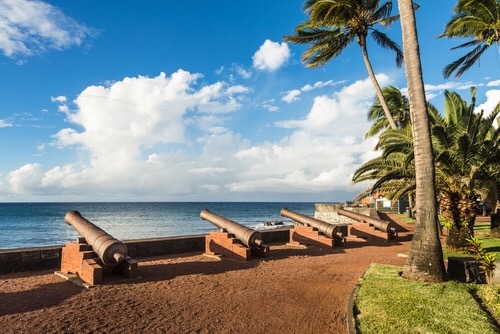
- The Barachois — lively waterfront of Saint-Denis, a few minutes' walk away.
- Léon Dierx Museum — fine arts museum of Saint-Denis, one of the most important in the Indian Ocean.
- Saint-Denis Cathedral — the central religious building of the capital, a short distance away.
Frequently asked questions
Yes. The collections of taxidermied animals and geological specimens easily capture the attention of young visitors. The visit remains short and accessible.
Absolutely. The Léon Dierx Museum and the Natural History Museum are close to each other in the city center. Half a day is enough for both.
The museum generally offers educational materials and can accommodate school groups. Contact the establishment directly to learn about current programs.
Accessibility depends on the layout of the galleries. It is advisable to contact the museum beforehand to confirm access conditions.
The museum can be visited year-round. During the rainy season (November to April), it's a good alternative to outdoor activities when weather is unfavorable.
Nearby
Interested in this visit?
We can include it in your personalised itinerary.