Hell-Bourg to Bélouve Forest Hiking Trail
Hell-Bourg to Bélouve Forest Hiking Trail
From Hell-Bourg to Bélouve forest, this hike traverses Réunion's primary forest listed as UNESCO World Heritage, among highland tamarind trees, giant ferns and panoramas over the Salazie Cirque.
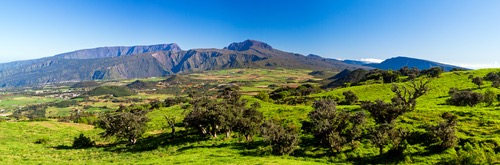
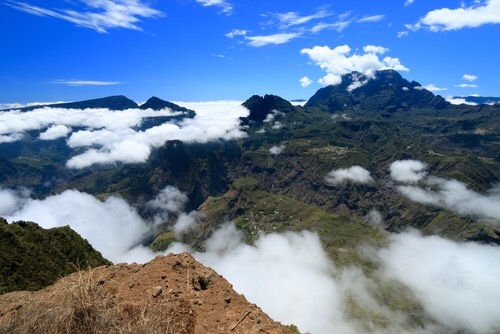
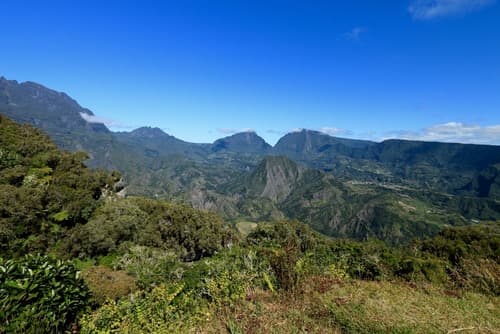
At the heart of the Salazie Cirque, the hike between Hell-Bourg and Bélouve forest ranks among Réunion's most emblematic trails. It winds through a landscape of tree ferns, highland tamarind trees and tropical mists, climbing from the charming creole village up to the Bélouve shelter, perched at roughly 1,500 meters altitude. The trail offers sweeping views over the cirque and an immersion into Réunion's primary forest.
Practical information at a glance
- Trailhead access: Hell-Bourg, a village in the Salazie Cirque, reachable by car or bus from Saint-André.
- Recommended duration: plan for a full day for the round trip Hell-Bourg – Bélouve.
- Difficulty level: moderate to challenging hike, with significant elevation gain.
- Footwear: waterproof hiking boots essential; the trail is often muddy.
- Equipment: warm and waterproof clothing, sufficient water and provisions.
- Bélouve shelter: accommodation available at the shelter managed by the ONF; advance reservation required.
What you'll see
The trail begins in Hell-Bourg, a village of colorful creole cottages and flowering gardens. The climb quickly enters the highland tamarind forest, an endemic species of Réunion. Higher up, giant tree ferns dominate the understory. On clear days, viewpoints offer views over the cirque's cliffs, waterfalls and peaks. Bélouve forest is listed as UNESCO World Heritage as part of the Pitons, Cirques and Ramparts site.
History and context
Hell-Bourg, a former 19th-century thermal spa, is listed among France's Most Beautiful Villages. Bélouve forest represents one of the island's last major highland tamarind forests. The entire Salazie Cirque has been inscribed as UNESCO World Heritage since 2010, recognized for its biodiversity and exceptional volcanic landscapes.
Highlights of the visit
The village of Hell-Bourg
Before setting out on your hike, take time to wander Hell-Bourg's streets. The creole cottages with ornate verandas and gardens of red ginger are characteristic of traditional Réunion architecture. The village deserves a stop at the beginning or end of your day.
The highland tamarind forest
The highland tamarind (Acacia heterophylla) is endemic to Réunion. The forest traversed by the trail is dense, humid and often shrouded in clouds. The atmosphere is particularly striking early in the morning.
The tree ferns
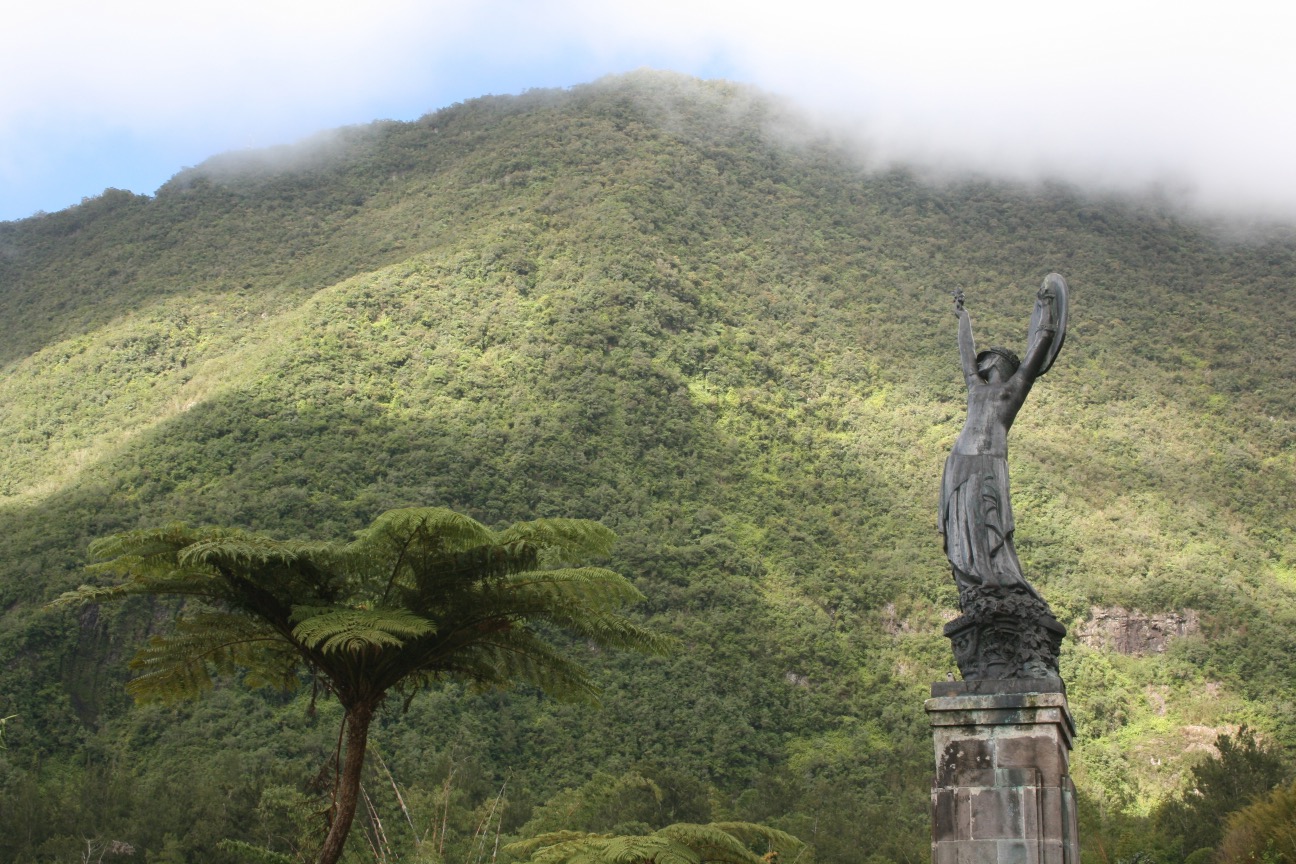
As altitude increases, tree ferns reach several meters in height. They lend the trail a prehistoric atmosphere, heightened by the frequent mist.
The Bélouve shelter and viewpoint
The Bélouve shelter marks the end of the climb. On clear days, the nearby viewpoint offers a panoramic view over the Salazie Cirque, the cliffs and, sometimes, Piton des Neiges.
Photography tips
Morning light, before clouds roll in, is ideal for photographing views over the cirque from the viewpoints. Inside the forest, midday hours allow you to capture rays filtering through the canopy. Consider a filter or cloth to protect your lens from ambient humidity. Tree ferns photograph well from below.
Location and access
Hell-Bourg is located in the Salazie Cirque, in the highlands of Réunion. It's reached from Saint-André on the east coast via the Salazie road (RN2 then D48). Yellow buses (Car Jaune network) serve Salazie and Hell-Bourg from Saint-André. The trailhead to Bélouve is in the village itself. The trail is not suitable for people with reduced mobility.
Nearby attractions accessible from Hell-Bourg: Salazie Cirque, Bridal Veil Waterfall.
In the area
- Salazie Cirque — one of the island's three volcanic cirques, a landscape of cliffs and waterfalls.
- Bridal Veil Waterfall — spectacular cascade visible from the Salazie road, easily accessible.
- Piton des Neiges — the highest peak in the Indian Ocean, accessible via several trails from the cirque.
- Grand Îlet — an agricultural village in the cirque, starting point for other hikes toward the cliffs.
Frequently asked questions
The southern dry season (May to November) offers the best conditions: less rain, less muddy trails, clearer views. During southern summer (December to April), rain is frequent and the trail can be slippery.
Yes, booking is mandatory. The shelter is managed by the ONF (National Forestry Office). It's advisable to reserve several weeks in advance, especially during peak tourist season.
Yes, the trail is marked in yellow (local trail) and is part of Réunion's official hiking network. It's recommended to carry an IGN map or use an offline hiking app.
Yes, by staying overnight at the Bélouve shelter, you can descend via a different route or continue to other trails in the massif. Contact the ONF or a local guide for traverse options.
The trail is marked and well-frequented; a guide is not mandatory. For less experienced hikers or those wanting to deepen their knowledge of endemic flora, a certified guide adds genuine value.
Absolutely. Hell-Bourg deserves a leisurely walk before or after your hike. The village, its creole cottages and gardens can be explored in less than an hour of casual strolling.
Give it a go!
Our local experts arrange this activity for you.