Sainte-Anne
Sainte-Anne
On the eastern coast of Réunion, Sainte-Anne brings together a listed baroque church, a refreshing swimming pool and gateway to the spectacular Takamaka Valley.
Nestled in the wild eastern reaches of Réunion, Sainte-Anne possesses a rare charm: that of an agricultural village set between the Indian Ocean and the foothills of Piton des Neiges. Its listed church, crystalline blue pool and Takamaka Valley make it an engaging stopover on the route between Saint-Benoît and Sainte-Rose.
Sainte-Anne at a glance
Info | Details |
|---|---|
Location | Eastern Réunion, Saint-Benoît municipality |
Access | National Route 2, between Saint-Benoît and Sainte-Rose |
Climate | Tropical Aw, 23.6 °C average, 1,357 mm annual rainfall |
Best time to visit | May to October (dry season) |
Must-see attractions | Sainte-Anne Church, blue pool, Takamaka Valley |
Recommended duration | Half day to full day |
Best for | Heritage lovers, hikers, families |
A history rooted in the 18th century
The first land grants in the Sainte-Anne region date to around 1725. At that time, H. Guichard and François Boyer each received parcels of land—one along the Saint-Pierre River and one in Sainte-Marguerite. These properties would later be divided among their twenty-three heirs. Another grant was awarded the same year to Sylvester Techer, also in Sainte-Marguerite.
Bordered by the Rivière de l'Est and Ravine Sèche, Sainte-Anne became part of Saint-Benoît municipality in 1882, with Armand Arthur serving as the first deputy mayor. The village celebrated its first official marriage on 10 October 1882. Decades earlier, in 1857, Bishop Deprez, supported by Governor Louis Henri Hubert Delisle, established the parish of Sainte-Anne, entrusting it to Abbé Carnet.
Around the mid-20th century, Father Dobemberger erected the Church of Sainte-Anne, now regarded as a jewel of Réunion's architectural heritage. On 11 October 1982, the building was listed as a historic monument.
Sainte-Anne today: a village between rivers and plains
Sainte-Anne sits within a natural setting bounded by the Saint-François River, and the ravines of Orangers and Sainte-Marguerite. The village is crossed by the Sainte-Anne River, from which it takes its name.
The territory retains its agricultural vocation: sugarcane fields, orchards and verdant plains benefit from the frequent downpours and cool breezes that characterize the eastern side of the island. On the local front, Sainte-Anne has the Bassin Bleu secondary school and a general and technical high school. The pace of life here is peaceful, away from the main tourist routes of the west.
What to do in Sainte-Anne?
Visit Sainte-Anne Church, a baroque listed jewel
Listed as a historic monument on 11 October 1982, Sainte-Anne Church is one of the most remarkable religious buildings in Réunion. Film buffs take note: this is where Jean-Paul Belmondo and Catherine Deneuve marry in Mississippi Mermaid, François Truffaut's 1969 film.
Built in baroque style, the church stands out for its large square tower that gradually adopts an octagonal form. The façade overflows with garlands, cherubs, grotesque masks, floral motifs and intricately carved decorations—the fruit of patient work undertaken under Father Dobemberger's direction in the mid-20th century. The interior, more restrained, contrasts with this external exuberance.
Plan for about thirty minutes on site. Entry is free, but respect service times.
Swim at Sainte-Anne's blue pool
The blue pool is a much-loved swimming spot for Réunion families, especially on weekends. Its fresh, limpid water is perfect for refreshing swims, particularly pleasant during warm season. Around the pool, equipped picnic areas welcome visitors, and a beverage truck offers cold drinks and light refreshments.
The place remains family-oriented and unpretentious—that is precisely what makes it charming.
Hike in Takamaka Valley
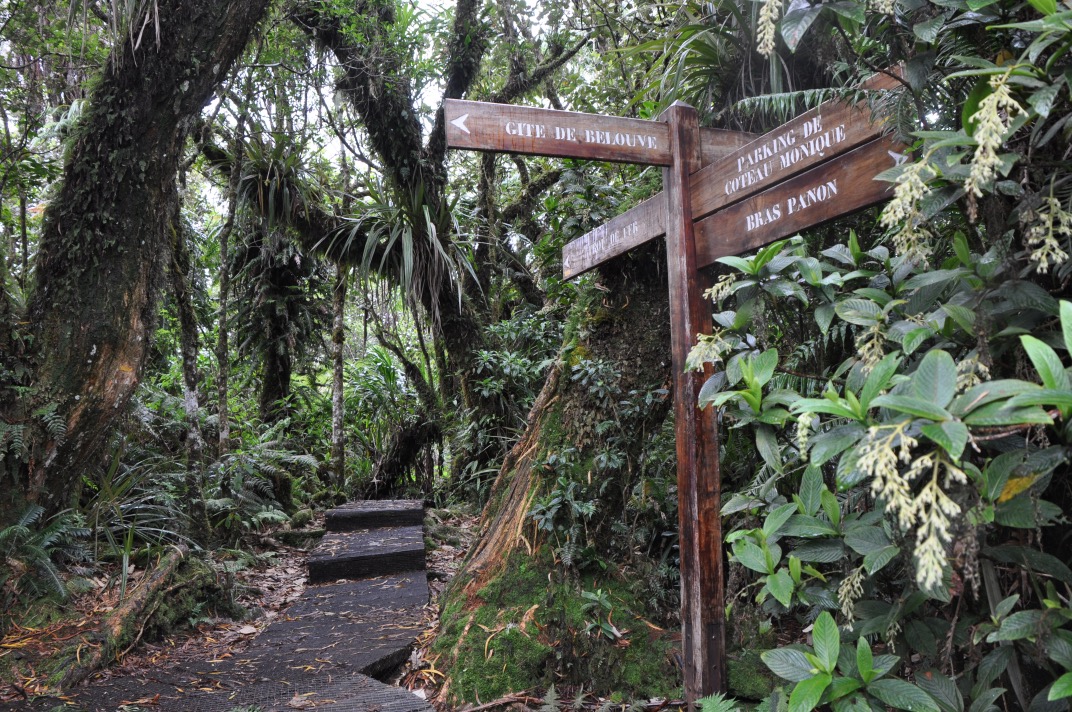
Sainte-Anne serves as an excellent starting point for a hike through Takamaka Valley, one of the wettest places on Earth. The trail follows the Rivière des Marsouins and leads to a striking hydroelectric dam, positioned upstream of five waterfalls: Surplomb, Petit Cimetière, Arc-en-Ciel, Petit Gingembre and Grand Gingembre.
The landscape is dominated by lush vegetation, dotted with rocky peaks and cascades. At 800 meters altitude, the valley offers beautiful panoramas over Piton des Neiges and, on clear days, views of the Mafate Cirque. Wear sturdy hiking boots and bring a windbreaker: this area receives several meters of rain per year.
When to visit Sainte-Anne?
Sainte-Anne experiences a tropical climate of Köppen-Geiger Aw classification. Average annual rainfall reaches 1,357 mm, with considerably heavier precipitation in summer (December-March) than winter. Average temperature stands at 23.6 °C.
May to October (dry season, Southern Hemisphere winter): the best period. Clearer skies, Takamaka trails passable, pleasant temperatures (19-24 °C). This is also peak tourist season.
November to April (rainy season): frequent but often brief showers. The blue pool is very enjoyable for swimming. Watch for cyclone alerts from January to March.
September-October: ideal window to combine hiking, swimming and humpback whale watching off the east coast.
How to get there and get around
The Sainte-Anne district lies southeast of Saint-Benoît town center, on National Route 2 linking Saint-Benoît to Sainte-Rose. From Roland-Garros Airport (Saint-Denis), allow roughly 1 hour driving along the east coast. From Saint-Pierre, budget 1.5 to 2 hours via the lava road on the southern side.
A car remains the most practical way to explore the region: the blue pool and Takamaka Valley sites are set away from the town center. The Car Jaune bus network serves Sainte-Anne via line E1 (Saint-Denis – Saint-Benoît – Saint-Philippe), but frequencies are limited.
Where to stay in Sainte-Anne and surroundings
Sainte-Anne lacks a substantial hotel offering, but the Saint-Benoît area and east coast provide accommodations for all budgets.
Budget accommodation (15-30 €/night): rural cottages and homestay rooms. Ideal for experiencing Creole hospitality and homemade breakfasts.
Mid-range (60-120 €/night): boutique hotels and charming guesthouses in Saint-Benoît or Sainte-Rose. Good balance of comfort and authenticity.
Upscale (150 €+/night): nature lodges with pools and ocean views, rarer in the East but developing, notably toward Saint-Philippe.
Book ahead for Réunion school holidays (July-August, December-January) and long weekends.
Our local expert's tips
A few recommendations from our local expert to make the most of Sainte-Anne:
Visit the church in the morning: raking light showcases the façade sculptures beautifully and photos turn out superb.
Avoid the blue pool on Sundays if seeking tranquility: local families flock there from 10 a.m. onward.
For Takamaka: start early, before altitude clouds form and obscure views by midday.
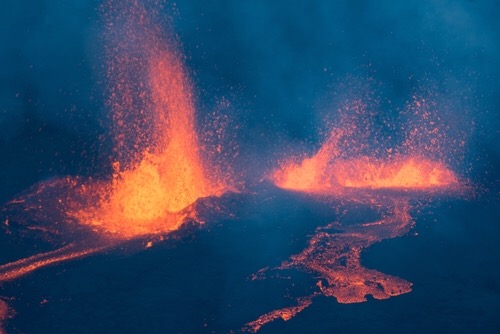
Combine Sainte-Anne and Sainte-Rose in a single day to also discover the 2007 lava flow and Notre-Dame-des-Laves Church.
Sample seasonal fruits at roadside stalls: lychees in December, mangoes in January-February, Victoria pineapples year-round.
Sainte-Anne, for whom?
Heritage enthusiasts: the listed baroque church alone merits the detour, especially for devotees of French cinema.
Hikers: Takamaka Valley offers varied itineraries, from easy trails to more challenging routes to the waterfalls.
Families: the blue pool is safe and ideal for a relaxing day with children.
Travelers seeking authenticity: off the beaten tourist path, Sainte-Anne reveals a rural, understated side of Réunion.
Frequently asked questions
Frequently asked questions
Half a day suffices to explore the church and blue pool. Allow a full day if you add a hike in Takamaka Valley.
Yes, entry is free outside service times. Modest dress is requested. The exterior façade, the most spectacular feature, can be admired at any time.
Yes, it is a family swimming site very popular with locals. The water is calm and shallow in certain areas. Supervise children after heavy rain, as water flow can increase.
May to October, during Southern Hemisphere winter. Trails are passable, views are clear and waterfalls remain fed year-round thanks to the exceptional rainfall of the area.
Highly recommended. Sites are dispersed and public transport is limited. Car rental remains the most practical solution for exploring eastern Réunion.
Absolutely. Sainte-Anne fits perfectly into an east coast itinerary: Saint-Benoît, Sainte-Rose and the lava road toward the wild south form a logical sequence over one to two days.
Want to discover this destination?
Our local advisors design your tailor-made trip.