Saint-Pierre
Saint-Pierre
Capital of Southern Réunion, Saint-Pierre combines a protected lagoon, colorful Creole markets, diverse heritage and direct access to the wild south. Complete guide.
Nestled on the southern coast of Réunion, Saint-Pierre blends lagoon beaches, vibrant Creole markets and lively nightlife. The South's capital and the island's third-largest city, it seduces with its planned waterfront, marina and multicultural heritage inherited from coffee and sugar cane cultivation.
Saint-Pierre at a glance
| Location | South of Réunion, 70 km from Saint-Denis |
|---|---|
| Status | Capital of the South, 3rd city on the island |
| Climate | Tropical Aw, 23 °C average, 1176 mm/year |
| Best time to visit | May to November (dry season) |
| Airport | Pierrefonds, 5 km away (flights to Mauritius) |
| Key highlights | Protected lagoon, Saturday market, wild south gateway |
History
Before the 18th century, the southern part of Réunion island was considered a "restricted area" where colonization was prohibited. Gradually, landowners and then industrialists took an interest in the region. Saint-Pierre's settlement grew with the expansion of coffee cultivation, largely destined for export. With sugar cane, coffee helped make the region one of the island's most flourishing zones.
From 1730 onwards, a few concessions were laid out at Ravine Blanche; ten years after the first lands were granted to Saint Louis. Agricultural activities developed slowly, hampered by irrigation problems.
The municipality of Saint-Pierre was founded in 1815. The Saint-Etienne canal was also created to facilitate water supply to the plantations. Agriculture then experienced exponential growth, notably with the arrival of the Kerveguen family, who established vast plantations extending to Tampon.
The municipality then began construction of a port, eager to become autonomous from Saint-Paul and Saint-Denis. The project took many years and forced Saint-Pierre into debt to complete the undertaking. The city was ultimately overshadowed by Le Port and its Rivière des Galets port, but received the title of capital of the South and equipped itself with an airport at Pierrefonds in 1980.
Saint-Pierre today
Saint-Pierre is Réunion's third-largest city, after Saint-Denis and Saint-Paul. The waterfront and marina have been carefully developed, and the shopping center remains bustling from morning to evening. Once a coffee trading post of the East India Company, the city retains a historic town hall and diverse religious heritage: Christian churches, mosques and Tamil temples coexist within the urban fabric.
The city also serves as a gateway to the wild south of the island, rawer than the west coast, with its ravines, fishing villages and ocean-battered cliffs.
Must-sees and things to do
The lagoon and great beach
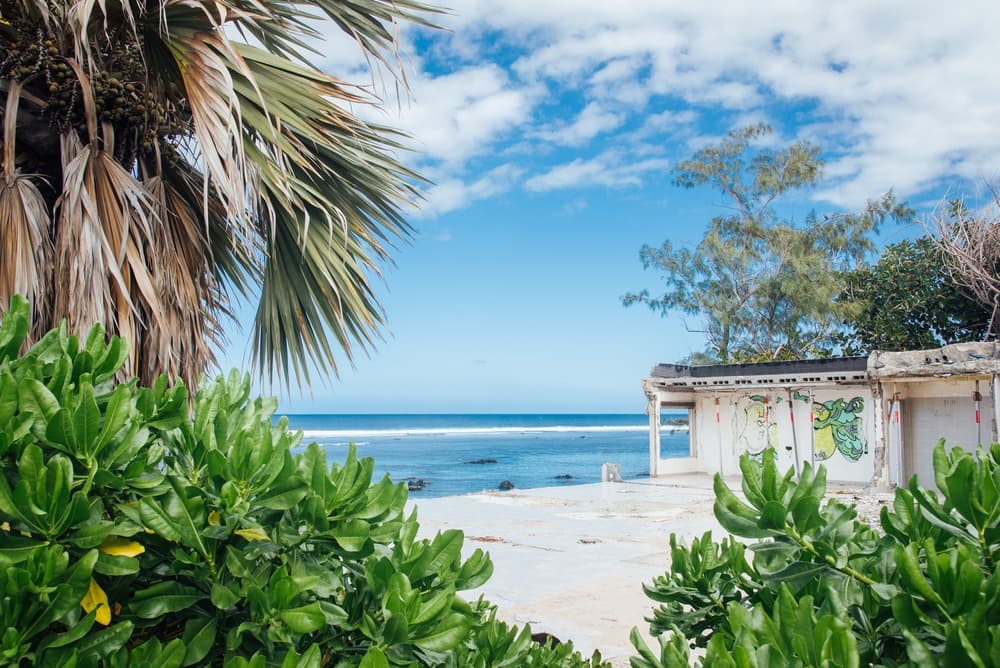
One of Saint-Pierre's main assets remains its expansive beach and lagoon, protected by a reef. Swimming is safe and snorkeling allows you to observe parrotfish, damselfish and corals in shallow water. Ideal for families.
Piton de la Grande-Anse
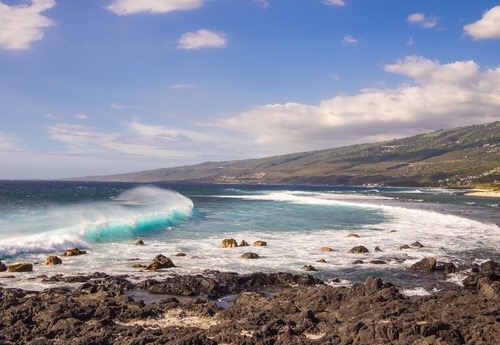
About ten kilometers east, Piton de la Grande-Anse, backed by casuarina trees, opens onto a breathtaking rocky coastline panorama. The beach below, framed by landscaped pools, is among the south's most photogenic.
Ravine Blanche farmers market
Saturday mornings between 6:30 am and 12:30 pm, the Ravine Blanche farmers market unfolds spice aromas, tropical fruits and craft stalls. Embroidered tablecloths from Cilaos, woven baskets and inlaid boxes sit alongside Charrette rum, the island's most popular spirit.
The waterfront and Rue des Bons Enfants
Rue des Bons Enfants concentrates the bulk of local commerce at reasonable prices. Once shopping is done, the waterfront invites a stroll, with views of Creole cases nestled on the heights and boats in the marina.
Terre-Sainte, fishing village
On the other side of Rivière d'Abord, Terre-Sainte retains a village character with its colorful houses, small chapel and fishermen returning in the morning. A quiet walk to pair with a grilled fish lunch.
Nightlife
Saint-Pierre concentrates the south's main nighttime offering. Several bars and nightclubs line the waterfront, including an establishment accommodating up to 2,000 people. Varied programming: electronic, séga, dancehall, rock.
Climate and best time to visit
Saint-Pierre enjoys a tropical climate of type Aw according to the Köppen-Geiger classification. The annual average is 23 °C and precipitation reaches 1176 mm per year, concentrated in the austral summer.
The dry season, from May to November, remains the most pleasant period: mild temperatures (20-26 °C), little rain and calm seas. The rainy season (December to April) coincides with the cyclone season; showers are brief but sustained, and some hiking trails may be closed. The island's southwest position partially shields Saint-Pierre from humid trade winds affecting the windward side.
Transport and access
Saint-Pierre is served by Pierrefonds airport, 5 km from the center, which offers regular flights to Mauritius. Most international travelers, however, arrive at Saint-Denis–Roland Garros, about 1.5 hours away by RN1 and RN2.
The regional Car Jaune network (yellow buses) connects Saint-Pierre to major municipalities: Saint-Denis, Saint-Paul, Saint-Benoît, Cilaos, Le Tampon. The S line to Saint-Denis takes about 1 hour 45 minutes. In town, the Alterneo network serves neighborhoods and the waterfront.
Car rental remains the most practical solution for exploring the wild south and the cirques. Several public car parks exist around the port and market.
Where to stay in Saint-Pierre
Saint-Pierre offers a range of accommodations suited to all budgets, from family guesthouses to beachfront hotels.
- Budget (€15-30 per night): guesthouses and Creole bed & breakfasts in residential neighborhoods, warm welcome, local breakfast and host advice.
- Mid-range (€60-120): boutique hotels and residences in the city center or facing the lagoon, pool, restaurant and walking distance to the market.
- Upscale (€150 and above): lodges and charming hotels at Grande-Anse or higher up, ocean views, refined amenities, good base for exploring the south.
For a first visit, the waterfront area is most convenient: everything is within walking distance. Travelers seeking peace and quiet prefer Terre-Sainte or the heights of Saint-Pierre.
Insider tips
- Saturday morning market: arrive before 8 am to enjoy fresh fruit stalls and avoid crowds. The market closes at 12:30 pm, not later.
- Snorkeling in the lagoon: prefer high tide in mid-morning, the water is clearer and currents weaker near the reef.
- Cyclones: if traveling between January and March, check France Météo-Réunion alert status before any hiking or water outings.
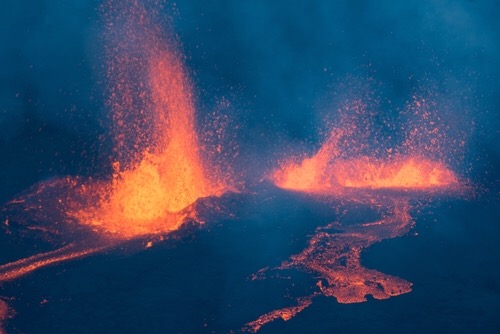
- Wild south: plan a full day to reach Saint-Philippe and the volcano via the lava road; early departure advised.
- Local rum: buy your Charrette rum or spiced rum directly at the market, more authentic than at the airport.
For whom?
- Families: protected lagoon, supervised beach, choice of accessible accommodations and restaurants.
- Couples: waterfront in the evening, fish restaurants in Terre-Sainte, getaways to Grande-Anse.
- Active travelers: ideal base for Cilaos, Piton de la Fournaise and the wild south.
- Culture enthusiasts: Creole markets, diverse religious heritage, colonial architecture.
- Night owls: the only southern town with a real bar and club scene on the waterfront.
Frequently asked questions
Frequently asked questions
Two to three days are enough for the city and its beaches. Allow a week if you use Saint-Pierre as a base to explore Cilaos, the volcano and the wild south.
Yes, the lagoon is safe and water temperature stays between 23 and 27 °C depending on the season. Be cautious after heavy rain, which can reduce visibility.
Saint-Gilles, on the west coast, concentrates the largest beach and sea outing offerings. Saint-Pierre, more authentic, combines beach, lively town and quick access to the wild south.
May to November, during the austral winter: clear skies, mild temperatures, little rain. Avoid January-March, in peak cyclone season.
Allow 1 hour 30 minutes of driving via RN1, or 1 hour 45 minutes by Car Jaune bus (S line). Car rental remains the most flexible solution for the rest of your stay.
Also discover
Saint-Pierre integrates well into an itinerary combining the west coast and wild south. For a turnkey stay, see our family stay on the West Coast of Réunion (14 days, from €1250), which includes a southern stopover.
Plan your trip
Our local agency Sawa Discovery helps you incorporate Saint-Pierre into a tailor-made trip to Réunion, combining it with the cirques, volcano or west coast. Discover the agency.
Photos
Want to discover this destination?
Our local advisors design your tailor-made trip.