Joseph Hubert Biological Park – Herbal Teas of the Wild South
Dedicated to the medicinal and aromatic plants of Réunion, the Joseph Hubert biological park in Saint-Joseph revives the Creole pharmacopoeia of the Wild South's herbal teas.
In the heart of Réunion's Wild South, the Joseph Hubert biological park is a space dedicated to the island's medicinal and aromatic plants. Founded by Joseph Hubert, an 18th-century agronomist who introduced numerous species to Réunion, this living garden perpetuates his legacy. Visitors discover Creole "tisanes" — plants used in local traditional medicine — set within the natural landscape characteristic of the island's south.
Quick Reference Information
- Location: Saint-Joseph, a commune in the Wild South, Réunion
- Recommended duration: 1 to 1.5 hours for a leisurely visit
- Access: By car from Saint-Joseph; the south of the island has limited public transport
- What to wear: Closed-toe shoes recommended for the trails
What You'll See
The park houses a collection of medicinal, aromatic, and endemic plants of Réunion. Informational panels present the traditional Creole uses of each species — infusions, poultices, home remedies passed down through generations. The dense and varied vegetation reflects the botanical richness of the island's south, combining species introduced by Joseph Hubert with indigenous plants.
History and Context
Joseph Hubert (1738–1826) is a central figure in Réunion's agricultural and botanical history. A botanist and agronomist, he introduced hundreds of plant species to the island and helped structure its agriculture. This park pays tribute to his work by preserving and showcasing the plant heritage he helped establish, particularly the herbal tea plants rooted in Creole culture.
Highlights of Your Visit
Creole Medicinal Plants and Herbal Teas
The collection of medicinal plants is the heart of the park. Lemongrass, cinnamon bark, verbena, combava, brown brinjal — each species is identified with its Creole name and traditional uses. A concrete way to immerse yourself in Réunion's popular pharmacopoeia.
The Natural Setting of the Wild South
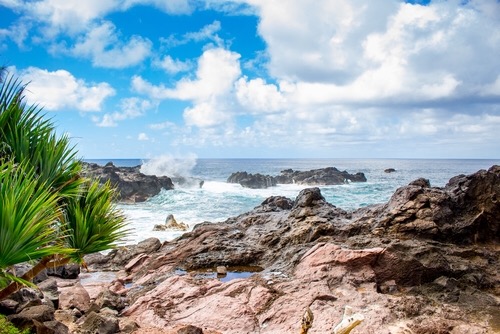
Saint-Joseph sits in one of Réunion's most unspoiled areas. The park benefits from a verdant, often humid environment, typical of the windward side. The atmosphere is peaceful, far from the tourist hustle of the northern coast.
Photography Tips
The diffuse light of hazy mornings in the Wild South works well for photographing vegetation — it avoids harsh shadows. Capture details of leaves, flowers, and botanical panels to document your visit. No known photography restrictions apply to this type of public garden.
Location and Access
Saint-Joseph is accessible from Saint-Pierre via the RN2 (southern coastal road) or through the Highlands via the Route des Plaines. The park is located in the commune of Saint-Joseph, the main town of the Wild South. A car remains the most practical way to reach this area. Guided tours may be available on-site — inquire directly with the park.
Nearby Attractions
- Manapany-les-Bains — natural swimming pool nestled in lava rock, ideal for family swimming.
- Langevin Falls (Langevin) — a spectacular waterfall accessible on foot from the Langevin river, among the south's finest.
- Grand Galet — swimming and jumping site in the Langevin river, very popular on weekends.
- Saint-Joseph Market — lively market where you'll find spices, exotic fruits, and local Creole products.
Frequently asked questions
The park is accessible year-round. The austral winter (June–October) offers drier weather in the south, but vegetation is more lush during the rainy season (November–April).
Contact the park directly to learn about access procedures and any guided tour options. Conditions may change.
Yes, discovering medicinal plants and their Creole uses is educational and accessible for children. Wear closed-toe shoes for the trails.
Absolutely. Langevin Falls and Manapany-les-Bains are a short drive away. One day is enough to combine the park with a swim and a hike.
No photography restrictions are known for this type of botanical garden. Feel free to photograph the vegetation and explanatory panels.
Interested in this visit?
We can include it in your personalised itinerary.