Saint-Leu
Saint-Leu
On Réunion's west coast, Saint-Leu combines a protected lagoon, world-class surf wave, year-round paragliding and Creole heritage. Our complete guide.
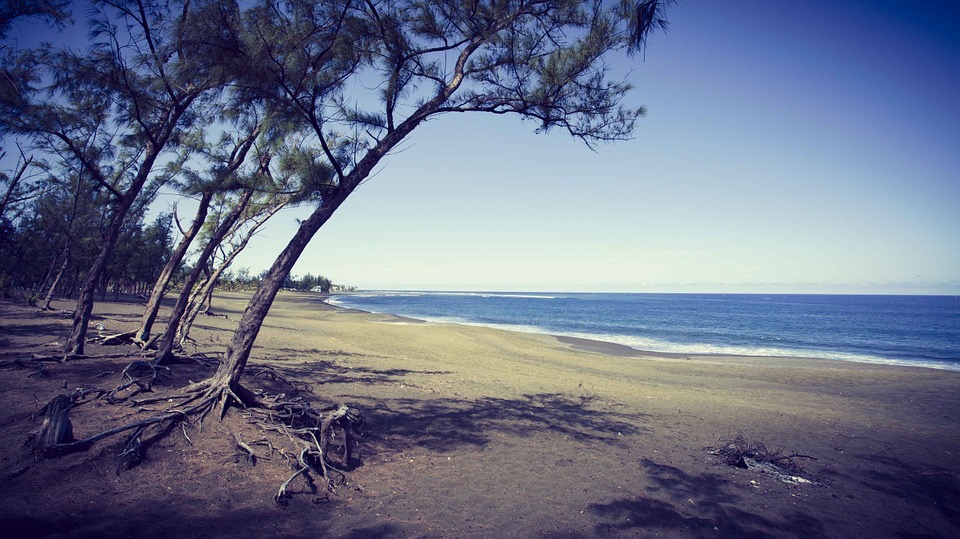
Nestled on Réunion's west coast, 16 km south of Saint-Gilles, Saint-Leu stretches 4,610 meters of white sand beach facing a protected lagoon. The municipality spans 11,836 hectares, from sea to the foothills of Maïdo, and concentrates some of the Indian Ocean's finest spots for surfing, diving and paragliding. An ideal micro-destination for those seeking an active, nature-filled and culturally rich stay without Saint-Gilles' crowds.
Saint-Leu at a glance
| Key info | Detail |
|---|---|
| Location | West coast of Réunion, 16 km south of Saint-Gilles |
| Area | 11,836 hectares |
| Beach | 4,610 m of white sand, water at 25°C, Blue Flag Europe label (2006) |
| Climate | Tropical Aw, 22.7°C average, 1,320 mm/year |
| Nearest airport | Roland-Garros (Saint-Denis), approximately 50 km away |
| Specialties | Surfing (legendary left break), paragliding, diving, whale watching |
| Best period | May to November (dry season, outside cyclone season) |
A history shaped by coffee and the 1811 uprising
The founding of Saint-Leu dates back to 1776. The area was long known as "Boucan de Laleu" or "Boucan Laleu," named after its first inhabitant. Shortly after its creation, the town became one of Réunion's leading suppliers of coffee and beef.
Declared a commune in 1790, Saint-Leu witnessed a slave uprising on the island. The rebellion occurred in 1811, when Réunion was under English rule (1810 to 1815). The uprising was short-lived, as the rebels were betrayed by one of their own—Figaro. As a reward for this act, he received a concession in Ilet-à-Cordes, in Cilaos.
Various activities contributed in turn to Saint-Leu's prosperity: livestock farming, sugarcane exploitation, lime production extracted from the Salines of Pointe-au-Sel, and coffee plantations. This agricultural and industrial heritage is still visible in the landscape, from the Stella Matutina museum to the traditional salt ponds still in operation.
Saint-Leu today
Saint-Leu lies at the boundary between the western and southern parts of Réunion. This land steeped in history spans 11,836 hectares, on the edge of Cilaos, Trois-Bassins and Les Avirons. The municipality has few industrial facilities: its topography makes it a prime destination for tourism and sports.
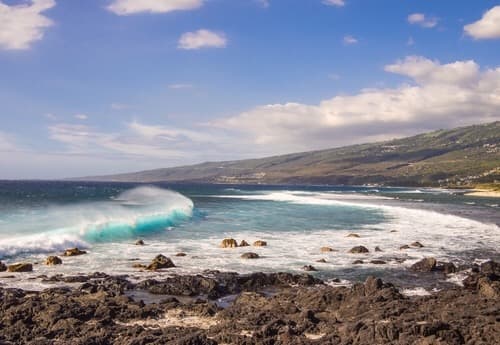
Saint-Leu's lagoon, part of Réunion's marine reserve, is home to corals, green turtles and tropical fish just meters from shore. Further out, the famous Saint-Leu left break attracts surfers from around the world, while the slopes of Maïdo offer paragliding exceptional thermal conditions year-round.
The municipality received the Blue Flag Europe label in 2006 for the quality of its bathing waters and its leisure and fishing port. Average water temperature is 25°C, making beaches swimmable twelve months a year.
Must-sees in Saint-Leu
At sea and in the lagoon
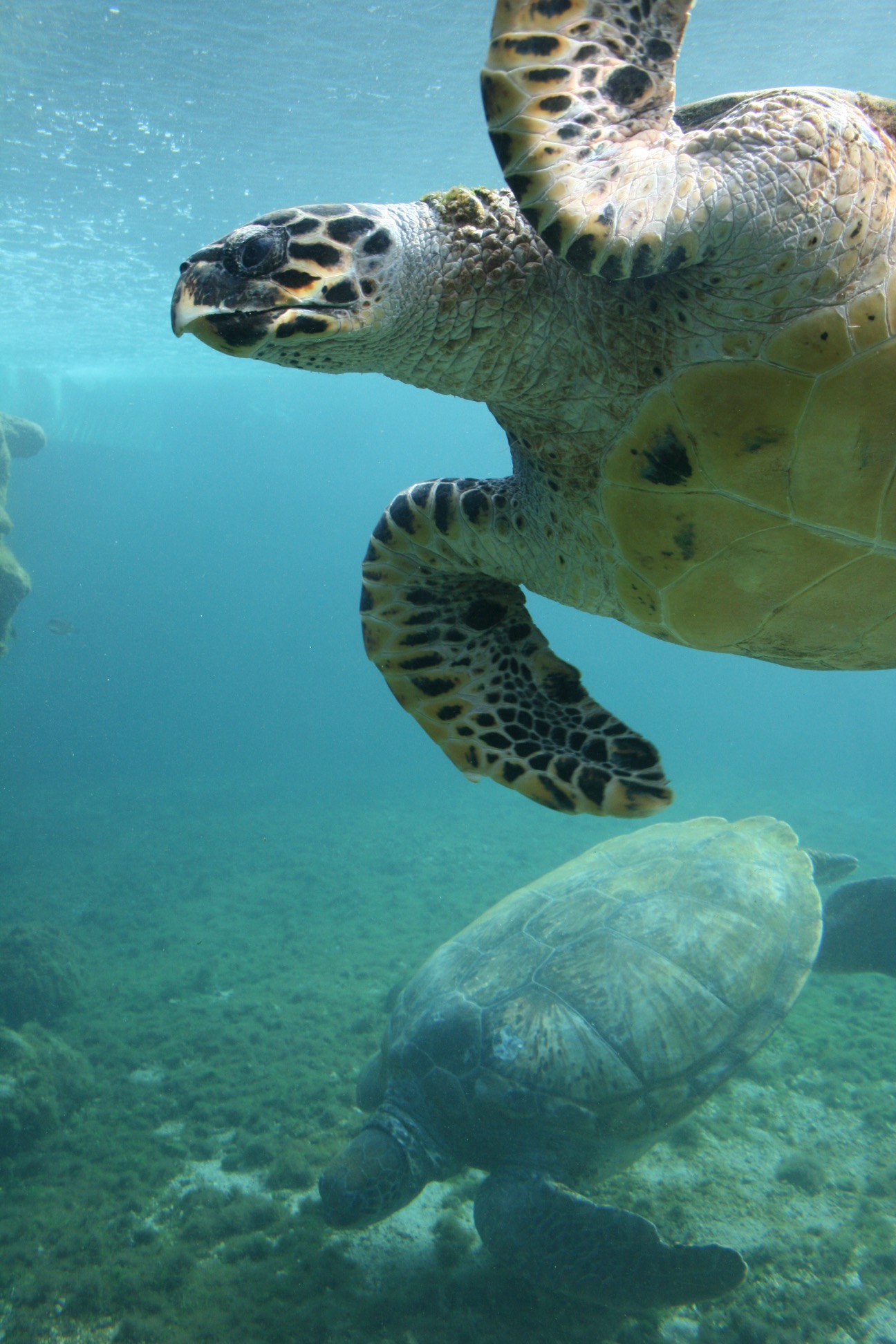
Kélonia, the sea turtle observatory. Located by the sea, this venue combines aquarium, rescue center and museum. You can observe green and hawksbill turtles in tanks before their release. Plan 1.5 hours, ideal for families.
The Saint-Leu Blowhole. At Pointe des Châteaux, this geological phenomenon shoots spray several meters high when swells funnel into a basalt cavity. Free spectacle, most impressive at high tide with heavy seas.
Pointe au Sel beach. South of the town center, this protected site preserves old traditional salt ponds. The black pebble beach contrasts with the turquoise lagoon and offers memorable sunsets.
Diving and snorkeling in the marine reserve. The Saint-Leu lagoon is one of the island's three major lagoons. Several clubs offer baptisms, snorkeling trips and scuba dives on the outer drop-offs.
On land and at altitude
Hiking to Maïdo. This famous viewpoint over the Mafate cirque peaks at 2,200 m, accessible by car or via trails from Saint-Leu's highlands. Sunrise guaranteed if you start before 5 a.m.
Paragliding on the west coast. Saint-Leu is recognized as one of the world's premier free-flight sites. Takeoff from the highlands, landing on the beach. Several schools offer tandem baptisms year-round. The municipality regularly hosts international championships.
Mascarin Botanical Conservatory. Set around the former Chateauvieux family residence, this 7-hectare park harbors a rich variety of plants found nowhere else, some endemic species having vanished from the globe. Plan 2 hours for your visit.
Culture and heritage
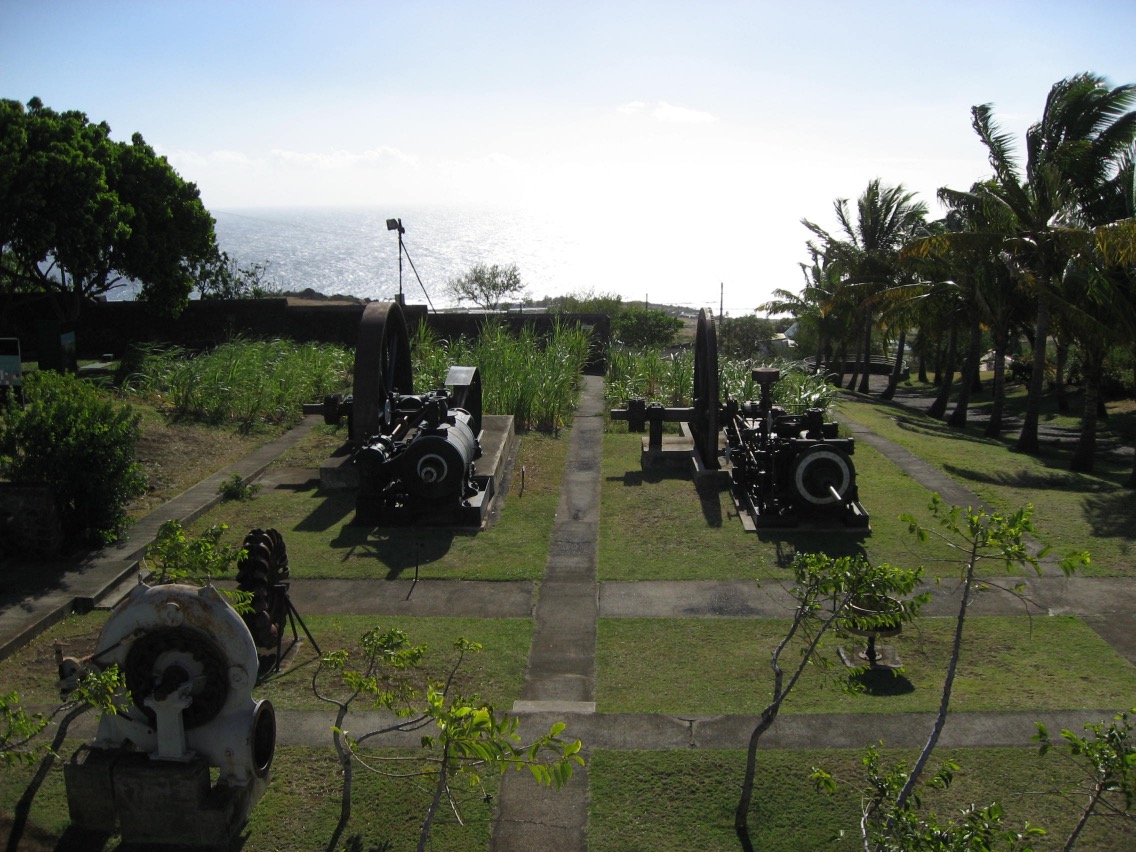
Stella Matutina Museum. Housed in a former sugar mill, this museum tells the story of sugarcane and Réunionnese society. Modern scenography, restored period machinery.
Sacred Heart Church. Located near the Mascarin Conservatory, this religious monument was built by the Chateauvieux family in 1965.
Town center and General Lambert Street. The main thoroughfare concentrates artisan shops, markets and colorful Creole houses. A great place for shopping and photos.
What to do in Saint-Leu
- Surf the Saint-Leu left break, a world-renowned wave (advanced level required on the outer reef)
- Fly tandem paragliding from the highlands, landing on the beach
- Dive or snorkel in the marine reserve and its lagoon
- Visit Kélonia, sea turtle observatory and rescue center
- Spot humpback whales between June and October on a boat excursion
- Hike trails leading to Maïdo and the Mafate cirque
- Discover endemic flora at the Mascarin Botanical Conservatory
- Attend Leu Tempo Festival in May, the island's oldest performing arts festival
- Experience the Fête de la Salette in September, celebrated in honor of Our Lady of La Salette over four days
- Photograph the Blowhole at high tide
Climate and best time to visit
Saint-Leu has a tropical climate of type Aw according to the Köppen-Geiger classification. Annual rainfall averages 1,320 mm per year, with higher precipitation during the summer season than in winter. The average annual temperature is 22.7°C.
The dry season, from May to November, remains the most pleasant time to visit Saint-Leu: clear skies, consistent swell for surfing, stable conditions for paragliding. Humpback whales pass offshore between June and October. The cyclone season runs from December to March: frequent tropical showers, but also lower prices and lush vegetation.
For surfing, the southern swell from April to September fuels the reef's left break. For diving, the clearest waters are between September and November.
How to get there and get around
Réunion has an international airport, Roland-Garros, located in Saint-Denis. About 50 km to Saint-Leu, roughly 1 hour's drive via the N1. A second airport, Pierrefonds, serves the south of the island, 35 km from Saint-Leu.
On-site, car rental remains the most practical option to explore the highlands and neighboring beaches. Car Jaune buses connect Saint-Denis to Saint-Pierre via Saint-Leu several times daily. The urban network Kar'Ouest serves the town's districts and highlands. Taxis operate on call, with no permanent stations.
Where to stay in Saint-Leu
Saint-Leu offers a range of accommodations suited to all budgets, from home stays to more comfortable lodges.
- Guesthouses and bed & breakfasts (€15-30/night): run by Creole families, often in the highlands. Breakfasts with local fruits, authentic atmosphere, direct exchanges with hosts.
- Boutique hotels and residences (€60-120/night): located near the waterfront or town center, with pool and easy beach access.
- High-end lodges and villas (€150+/night): lagoon views, refined amenities, perfect for romantic or family stays.
For personalized recommendations, contact our local expert at the agency: they know the best addresses based on your profile.
Insider tips for making the most of Saint-Leu
- Swimming: stay in the lagoon, behind the reef. Swimming outside the lagoon is forbidden in Réunion due to shark risk.
- Surfing: the reef's left break is not a beginner spot. To learn, prefer Saline beach or take a supervised lesson.
- Paragliding: book your tandem flight the day before to secure a morning slot, with more stable conditions.
- Kélonia: arrive at opening time (9 a.m.) to avoid school groups mid-morning.
- The Blowhole: check swell conditions before heading there; the phenomenon is invisible in flat seas.
- Maïdo: leave before 5 a.m. for sunrise; clouds roll in quickly after 9 a.m.
- Dining: try fish curry and sausage rougail in small eateries in the town center, more authentic than waterfront restaurants.
Saint-Leu is for whom?
- Advanced surfers and riders: Saint-Leu's left break is a world-class classic.
- Aerial sports enthusiasts: paragliding year-round, exceptional thermal conditions.
- Families: protected lagoon, Kélonia, patrolled beaches, gentle activities.
- Divers and snorkelers: marine reserve accessible from shore.
- Nature travelers: hikes to Maïdo, Mascarin Conservatory, whale watching.
- Creole culture enthusiasts: Leu Tempo Festival, Fête de la Salette, Stella Matutina.
Frequently asked questions
The dry season, from May to November, offers the best conditions: clear skies, mild temperatures, swell for surfing and humpback whale passage between June and October.
Yes, in the lagoon protected by the reef. Swimming outside the lagoon is forbidden in Réunion. The Blue Flag Europe label (2006) confirms the quality of the lagoon's waters, averaging 25°C.
About 50 km, roughly 1 hour by car via the N1. Car rental remains the most practical solution. Car Jaune buses also connect Saint-Denis to Saint-Leu several times daily.
No, the reef's left break is reserved for advanced surfers. To learn, it's better to take a lesson at milder spots like Saline-les-Bains, 20 minutes to the north.
Between 2 and 4 days to combine the lagoon, paragliding, Kélonia and a Maïdo excursion. A week if you plan serious surfing or diving.
Yes, between June and October, humpback whales pass offshore to calve. Several operators offer supervised boat excursions, respecting the approach charter.
Also discover
To extend your stay, explore other facets of the island. Our complete Réunion guide brings together itineraries, practical advice and inspiration to compose your journey.
For a personalized recommendation (accommodations, combined itinerary, paragliding baptism), our local expert at the agency is at your service.
Attractions in Saint-Leu
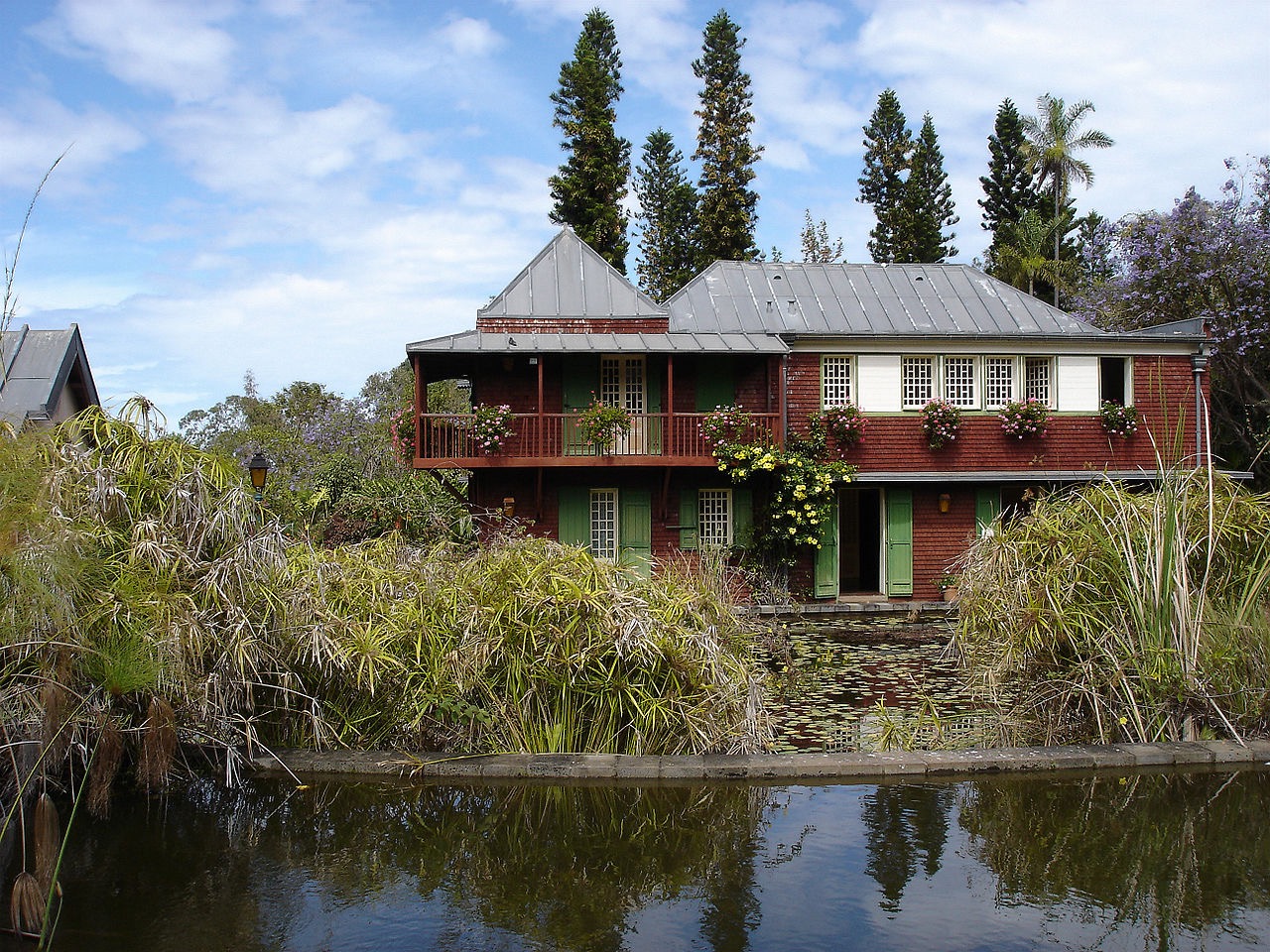
Mascarin – Jardin botanique de La Réunion
Mascarin est le jardin botanique officiel de La Réunion, installé sur les hauteurs de Saint-Leu, dans l'ouest de l'île.
Musée Stella Matutina
Installé dans une ancienne usine sucrière du XIXe siècle, le Musée Stella Matutina retrace l'histoire de la canne à sucre et du monde créole réunionnais.
Kélonia – Observatoire des tortues marines
Kélonia est un observatoire dédié aux tortues marines, installé à Saint-Leu sur la côte ouest de La Réunion.
Want to discover this destination?
Our local advisors design your tailor-made trip.