Saint-Gilles
Saint-Gilles
Turquoise Ermitage lagoon, surfing at Roche Noire, whales offshore: Saint-Gilles concentrates the essence of Réunion's coastal tourism on the west coast.
Nestled on the west coast of Réunion, some thirty kilometres south of Saint-Denis, Saint-Gilles stands as the island's premier beach resort. Sandy beaches, turquoise lagoon, bustling marina and vibrant nightlife: this stretch of coastline concentrates the hallmarks of tropical French tourism. Nicknamed the "Saint-Tropez of Réunion," the town blends Creole roots with metropolitan energy in its own distinctive way.
Saint-Gilles at a glance
| Location | West coast, Saint-Paul municipality |
|---|---|
| Access | RN1 (Coastal Road) from Saint-Denis, ~45 min |
| Climate | Tropical Aw, 23.3 °C average, 1398 mm/year |
| Ideal for | Beaches, snorkeling, sea excursions, nightlife |
| Recommended stay | 3 to 5 days on site, perfect base for the west |
| Nicknames | "Saint-Gilles les Bains", "Zoreiland" |
A history born from the landing of the White Eagle
Saint-Gilles' history stretches back to the beginning of colonization. Legend has it that François Martin landed at the Saint-Gilles river in July 1665 aboard the ship the White Eagle. A rampart at Cap Champagne once separated Saint-Paul from this zone, which remained for long a simple fishing village. Access came via a dirt track from Saint-Gilles-les-Hauts, or by sea.
The origin of the name rests on legend. Gilles Launay, a crew member of commander Étienne Regnault, received the Boucan-Canot land from the governor in 1668. The concession was bounded by Chemin des Chasseurs, Cap Saint-Gilles and the ocean. In October 1698, an act by commander Bastide confirmed his title of ownership. Launay built his home on the mountainside and the village naturally took the name of its first concessionaire.
Today, the town is also known as Saint-Gilles les Bains. Its strong tourist appeal and presence of many mainland French civil servants earned it the nickname "Zoreiland" — "zoreils" or "zoreys" being the term Réunionnais use to describe non-natives from mainland France.
Saint-Gilles' must-sees
Beaches and the lagoon
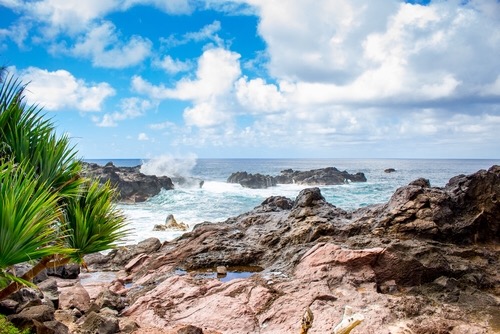
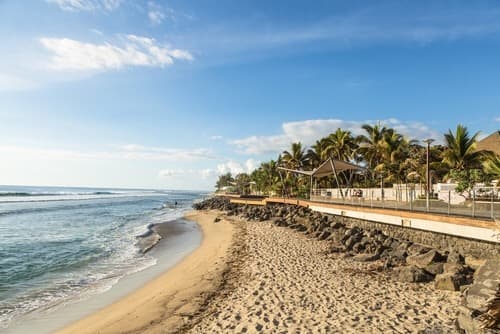
Three beaches structure the coastline. Roche Noire beach, right in the centre, has no lagoon: visitors come for swimming, lounging and especially surfing, with regular waves offshore. Boucan Canot, to the north, remains the island's most visited beach, lined with restaurants and beach bars. To the south, Ermitage les Bains shelters Réunion's largest lagoon: turquoise shallow waters, filaos for shade, snorkeling accessible to children. This is where you observe corals, parrotfish and surgeon fish just metres from shore.
Marina and sea excursions
Saint-Gilles marina is the departure point for catamaran trips and observation excursions. From June to October, humpback whales swim offshore to calve: whale-watching excursions depart daily from the port. Year-round, boats offer encounters with dolphins (Indo-Pacific bottlenose dolphins, long-beaked dolphins) at sunrise.
Cultural sites and attractions
- Réunion Aquarium — at the marina, showcasing local marine fauna, ideal with children.
- Grande Maison de Savannah — former colonial residence evoking the sugar era.
- Jardin d'Eden — botanical garden spanning 6,000 m² dedicated to tropical flora and medicinal plants.
- Petite France Chapel and La Saline Church — small religious buildings dotting the coastline.
- Cap La Houssaye — north of town, prime vantage point for sunsets over the Indian Ocean.
- Saint-Paul street market — 15 minutes by car, Friday and Saturday mornings, one of the island's most iconic markets.
Town centre and nightlife
The centre clusters around the main street and harbour. Ready-to-wear boutiques, souvenir shops, ice cream parlours and restaurants line the streets. As night falls, music bars, lounges and nightclubs take over — Saint-Gilles concentrates the bulk of Réunion's nightlife.
When to visit Saint-Gilles
Saint-Gilles enjoys a tropical climate of the Aw type (Köppen-Geiger classification). Average annual rainfall is 1398 mm and average temperature is 23.3 °C, with sunshine levels among the island's highest thanks to its leeward position.
- May to November (dry season, austral winter): the best period. Mild temperatures (20-27 °C), rare rainfall, calm sea. Also the whale season (July-October).
- December to April (wet season, austral summer): heat and humidity, tropical showers late in the day, possible cyclones between January and March. The lagoon remains usable but sea excursions may be cancelled.
- September-October: the ideal window — stable weather, whales present, reasonable crowds.
How to get there and get around
Saint-Gilles is reached from Roland Garros airport (Saint-Denis) in around 45 minutes via the RN1, nicknamed the Coastal Road. This coastal route also connects Saint-Paul, La Possession, Saint-Leu, L'Étang-Salé, Saint-Louis and Saint-Pierre.
- Car rental: highly recommended. Agencies are present at the airport and in Saint-Gilles town centre. Expect €25-45/day depending on season.
- Cars Jaunes buses: line E (Saint-Denis – Saint-Pierre via coast) serves Saint-Gilles several times daily, economical but inflexible.
- Taxi / VTC: practical for airport transfers, but expensive for daily trips.
- On foot / by bicycle: the centre, marina and Roche Noire beach are compact and walkable. Cycle paths link Saint-Gilles to Ermitage.
Good to know: rush-hour and weekend congestion on the RN1 is frequent. Build in extra time for trips to Saint-Denis.
Where to stay in Saint-Gilles
Accommodation in Saint-Gilles les Bains covers all budgets, from Creole studios to beachfront lodges.
- Budget (€15-30/night): family-run guesthouses and bed & breakfasts in the heights or near Saline. Creole hospitality, local breakfast, perfect for an authentic stay without breaking the bank.
- Mid-range (€60-120/night): boutique hotels and holiday residences near the marina or Boucan Canot. Pool, parking, quick beach access.
- Upscale (€150+/night): lodges and 4-star hotels overlooking the Ermitage lagoon, spa services and fine dining restaurants.
For a beach stay, aim for Ermitage or Saline les Bains. For nightlife and the marina, Saint-Gilles town centre. For panoramic views, the heights of Cap La Houssaye.
Insider tips
- Ermitage lagoon is the finest snorkeling spot early morning (before 9am), before families arrive. Bring water shoes to avoid corals.
- For sunsets, Cap La Houssaye far outshines Boucan Canot — fewer crowds, panoramic view of the entire coastline.
- The Saint-Paul street market (Friday-Saturday morning) remains one of the west's best cultural experiences. Go early for seasonal fruit.
- Check the swimming zone: Saint-Gilles carries shark risk outside the lagoon. Surf and swim only in patrolled areas (Roche Noire and Boucan Canot have nets and lookouts).
- Book whale-watching excursions the day before — limited places in peak season (July-September).
- Try fish curry in the Ermitage huts rather than town centre — better value.
Saint-Gilles, for whom?
- Families with children — Ermitage lagoon is risk-free, the Aquarium and Jardin d'Eden round out beach days.
- Couples — sunset at Cap La Houssaye, dolphin excursion at sunrise, dinner by the sea.
- Surfers and water sports enthusiasts — Roche Noire and southern breaks (Saint-Leu, 20 minutes away) offer waves year-round.
- Travellers seeking lively atmosphere — the island's only resort where nightlife truly delivers.
- Travellers seeking pure Creole authenticity — prefer Hell-Bourg or Cilaos. Saint-Gilles is more metro-tropical than traditional island.
8 ideas for things to do in Saint-Gilles
- Learn to surf at Roche Noire beach with a local school
- Snorkeling in Ermitage lagoon at sunrise
- Sea excursion to observe humpback whales (July-October)
- Catamaran expedition to meet dolphins
- Picnic under filaos at Ermitage les Bains
- Panoramic sunset at Cap La Houssaye
- Saint-Paul street market on Saturday morning
- Evening bars and lounges in town centre
Frequently asked questions
Frequently asked questions
Three to five days on site allow you to enjoy the beaches, a sea excursion and nearby sites. Saint-Gilles is also an excellent base to explore the western Réunion (Saint-Leu, Mafate, Cilaos accessible as day trips).
Yes. The lagoon is protected by the coral reef and sharks don't enter it. Swimming is safe for children. However, outside the lagoon (Roche Noire, Boucan Canot outside supervised areas), shark risk exists: strictly respect warning signs.
Humpback whales are present from June to October, peaking in August-September. Excursions depart from the marina, last around 3 hours and should be booked in advance during peak season.
Yes, it's recommended. Cars Jaunes buses serve the town but remain inflexible for exploring the west and highlands. A car lets you chain Saint-Paul, Saint-Leu, Maïdo and the cirques without constraint.
Saint-Gilles wins on beaches: larger lagoon, more sand, more developed beach scene. Saint-Pierre offers a more Creole atmosphere and authentic Saturday market, but its beaches are more modest.
Worth exploring too
To extend your island exploration, read our comprehensive guide to Réunion and plan an itinerary combining the west coast, cirques and volcano.
To personalize your stay in Saint-Gilles and western Réunion, our local expert from the agency guides you on the best periods, accommodations and excursions based on your profile.
Want to discover this destination?
Our local advisors design your tailor-made trip.