Saint-André
Saint-André
Saint-André, gateway to the East of Réunion: Tamil temples, vanilla plantations, rum distilleries and the spectacular Dipavali festival.
Gateway to the East of Réunion, Saint-André nestles between sea and mountains, in the heart of a fertile plain where Tamil, Creole, Chinese and European heritages intersect. Colorful temples, Bourbon vanilla plantations, rum distilleries and spectacular celebrations like Dipavali punctuate the life of this commune of 53,000 inhabitants. Here's everything you need to know to visit Saint-André and the East of Réunion.
Saint-André at a glance
Information | Details |
|---|---|
Region | East of Réunion (CIREST) |
Population | ≈ 53,000 inhabitants |
Area | 5,037 hectares |
Climate | Tropical Aw – 23.1 °C average, 1,418 mm rainfall/year |
Best time to visit | May to November (dry season); late October for Dipavali |
Recommended duration | 1 to 2 days, as part of an East coast circuit |
Access | RN2 (Route des laves) from Saint-Denis – 35 min |
Specialties | Bourbon vanilla, Savanna rum, Bois-Rouge sugar |
Why visit Saint-André?
Saint-André is another face of Réunion: a commune where the Indo-Tamil diaspora planted its roots in the nineteenth century and where every street tells a story of cultural fusion. You'll encounter a flamboyant Tamil temple on one corner, an Art Deco Creole house on the next, and a rum distillery just minutes away.
The fertility of the land earned the region the nickname "Beautiful country." This agricultural wealth is tasted today in Bourbon vanilla, Savanna rum and tropical fruits from the markets. It is also in Saint-André that the greatest Indian festival of the Indian Ocean, Dipavali, takes place each year, drawing 30,000 people around spectacular fireworks.
History and Creole identity
Saint-André became part of French territory as early as the seventeenth century. It was near the commune that the first French landed on the island. Originally a simple district of Sainte-Suzanne, Saint-André, declared a commune in 1741, nestles between sea and mountains and takes its name from André Héguerty, former governor of Bourbon from 1739 to 1743.
From 1718 onwards, agriculture developed there: tea, cassava, corn, rice, coffee, wheat, vanilla. Saint-André's economy in the nineteenth century was marked by the boom in vanilla cultivation, which attracted migrant labor from South India. This Tamil immigration shaped the city's identity durably: temples, religious festivals, spicy cuisine, Carnatic music. Today, Saint-André remains considered the cultural capital of Indo-Réunion.
What to do in Saint-André?
Explore Tamil and Creole heritage
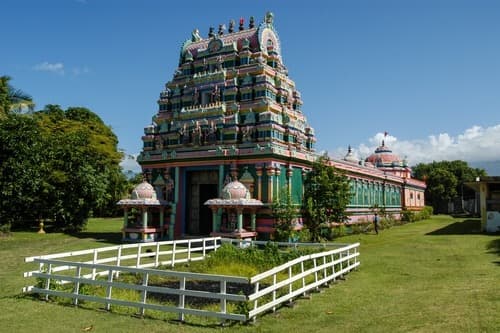
The Tamil temples of Saint-André are among the most beautiful in Réunion. Bright colors, sculpted deity statues, ornate gopurams: they bear witness to living faith. The Petit Bazar, celebrated for its polychrome sculptures, and the Colosse in the Champ Borne district are worth a stop.
On the Creole side, the Martin-Valliamée house reflects twentieth-century Art Deco style. Promoted to Historic Monument status, this Creole residence now houses the offices of the East Intercommunal Tourism Office. It makes an excellent starting point for understanding the commune.
Step back in time at the Dan'Tan Lontan museum
The Dan'Tan Lontan museum displays old objects, utensils, furniture and photos that tell the story of daily life for Réunionese people through the centuries. It's a useful stop to grasp the evolution of rural life, work in the cane fields, and family rituals.
Bourbon vanilla, Savanna rum and Bois-Rouge sugar
Saint-André is a playground for food lovers. The Roulof vanilla plantation opens its drying sheds and undergrowth: you'll understand hand pollination, drying, maturation of fragrant pods – know-how that has built the world reputation of Bourbon vanilla.
A few kilometers away, the Savanna distillery produces agricultural and traditional rums award-winning internationally; the guided tour blends stills, barrels and tasting. The Bois-Rouge sugar factory, one of the last two operating on the island, can be visited during the sugar season (July to December): an impressive industrial spectacle.
Unwind at Colosse park
The Colosse park is the green lung of the commune. Lagoon for water activities, children's play areas, shaded spaces for family picnics: the site lends itself to a break after cultural visits. It also hosts the year's major festive events.
Experience the great festivals of the East
Lantern Festival in February: celebration of the Chinese New Year with market, martial arts, traditional dances.
Festi-Plantes in September: five days dedicated to flowers, essential oils and medicinal plants.
Dipavali, late October-early November: the Indian festival spans five days, with grand parade, Carnatic dances and fireworks attracting no fewer than 30,000 people each year. This is the event not to miss.
When to visit Saint-André?
Saint-André enjoys a tropical climate of the Aw type according to Köppen and Geiger, with 1,418 mm of precipitation and 23.1 °C average temperature. Two seasons structure the year.
May to November (dry season, austral winter): the most pleasant period. Mild temperatures (20-26 °C), rare rainfall, clear skies. Ideal for cultural visits and hiking in the hinterland.
December to April (rainy season, austral summer): heat (28-30 °C), high humidity, frequent tropical showers. Cyclone risk from January to March. Vegetation is lush, but some visits may be disrupted.
Late October-early November: ideal window to combine dry climate and Dipavali festival.
How to get to Saint-André?
Saint-André is very accessible from any point on the island thanks to the Route des laves (RN2) connecting Saint-André to neighboring communes: Saint-Denis, Sainte-Suzanne, Bras-Panon, Sainte-Rose, Saint-Joseph, Sainte-Marie, Saint-Philippe and Saint-Pierre.
From Roland-Garros Airport (Saint-Denis): 30 km, approximately 35 minutes via RN2.
From Saint-Pierre: 1 hour 30 minutes via the south coast.
By bus: the Car Jaune network serves Saint-André from Saint-Denis and Saint-Benoît at very affordable rates.
By rental car: recommended option to explore the East, as plantations and distilleries are often away from town centers.
On site, the main central locations are walkable. To reach Savanna distillery, Bois-Rouge factory or plantations, plan for a vehicle.
Where to stay in Saint-André?
Saint-André often serves as a stop on an East coast circuit. Accommodation options remain modest in scale, dominated by Creole guesthouses.
Guesthouses and rooms at locals' homes (€15-30 per night): the ideal formula to taste Creole hospitality, share a rougail at breakfast and glean tips from hosts.
Boutique hotels and charming guesthouses (€60-120): renovated Creole houses, tropical gardens, sometimes a pool. Good balance of comfort and authenticity.
Upscale lodges and residences (€150+): rarer in Saint-André itself, but available in neighboring communes (Sainte-Suzanne, Bras-Panon) 15 minutes by car.
Our local expert will guide you toward addresses that best match your travel style.
Insider tips
Book Dipavali six months in advance: East accommodations fill quickly in late October. Aim for a room in the center to reach the parade on foot.
Visit Bois-Rouge during sugar season: the factory only runs between July and December. Off-season, you'll see the site but not the production.
Combine vanilla and rum the same day: Roulof plantation in the morning, Savanna distillery in the afternoon – the two sites are 15 minutes from each other.
Taste chicken curry with fresh pods in a local guesthouse kitchen: vanilla also makes its way into savory cooking.
Respect the temples: cover yourself appropriately, remove shoes inside, ask before photographing. Some temples are only visited during ceremonies.
Is Saint-André right for you?
Culture travelers: yes, without hesitation. Indo-Tamil and Creole heritage, museums, spectacular religious festivals.
Families: yes. Colosse park, educational plantations, child-friendly festivals.
Food lovers and spirits enthusiasts: yes. Bourbon vanilla, Savanna rum, sugarcane – the complete Réunion trilogy.
Couples seeking beaches: less so. The coast is rocky; combine with the West for beach relaxation.
Hikers: Saint-André is rather a cultural base; for trails, head to nearby Salazie cirque.
Also discover
Saint-André fits perfectly into a broader circuit covering the East coast and the island's interior. To learn more, consult our complete guide to Réunion, where you'll find other must-see destinations and our itinerary suggestions.
Frequently asked questions
Frequently asked questions
One to two days are enough to cover the temples, Dan'Tan Lontan museum, Martin-Valliamée house, Roulof plantation and Savanna distillery. Allow an extra day if you visit Bois-Rouge factory or if you stay for a festival like Dipavali.
Dipavali is held in late October or early November, over five days. The grand parade and fireworks gather nearly 30,000 people at Colosse park. It is the largest Indian event in the Indian Ocean.
Yes, Roulof plantation offers guided tours detailing every step, from hand pollination to drying Bourbon vanilla pods. Reservation recommended.
Allow 35 minutes by car via RN2 (Route des laves), approximately 30 km. The Car Jaune network also provides bus service at moderate rates.
The coast of Saint-André, at Champ Borne notably, is mainly rocky and battered by waves. For swimming, prefer beaches of the West (Saint-Gilles, La Saline) or South (Étang-Salé).
May to November, during the dry season: mild temperatures, rare rainfall, clear skies. Late October offers the double advantage of dry climate and Dipavali festival.
Attractions in Saint-André
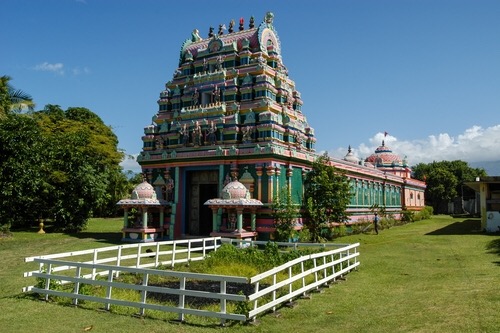
Temple du Colosse (temple tamoul de Saint-André)
Grand temple tamoul de Saint-André, le Temple du Colosse est dédié à la déesse Pandialé. Gopuram sculpté, cérémonies vivantes et héritage indien font de ce lieu un témoignage fort de la culture tamoule réunionnaise.
Musée du Monde Créole (Musée Dan Tan Lontan)
À Saint-André, le musée Dan Tan Lontan retrace la vie quotidienne réunionnaise à travers mobilier créole, outils de la canne et archives photographiques, dans une authentique propriété créole.
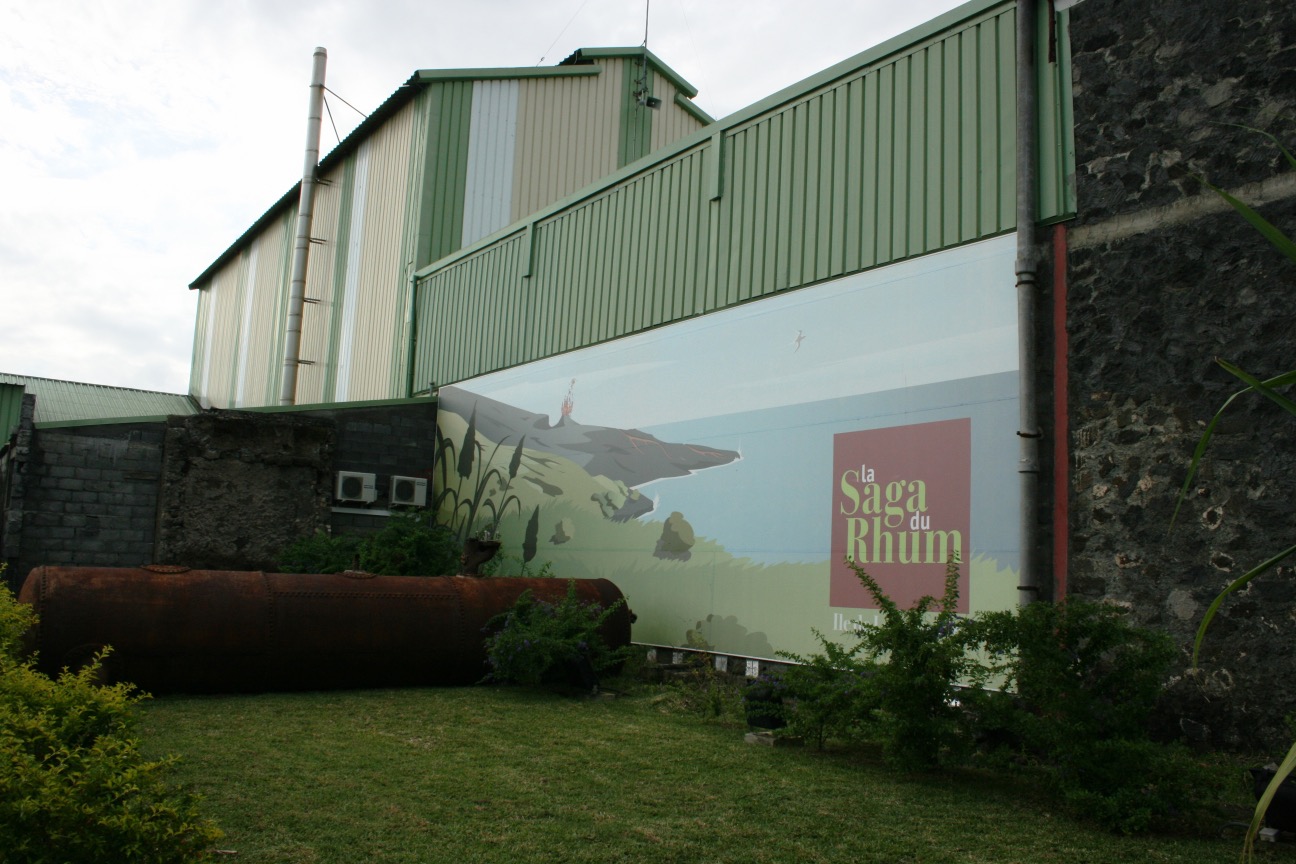
Musée Distillerie Sucrerie de Bois-Rouge
À Saint-André, la distillerie-sucrerie de Bois-Rouge ouvre ses portes pour une plongée dans la filière canne à sucre réunionnaise : broyage, cristallisation, distillation et dégustation de rhum, idéalement pendant la campagne de juillet à décembre.
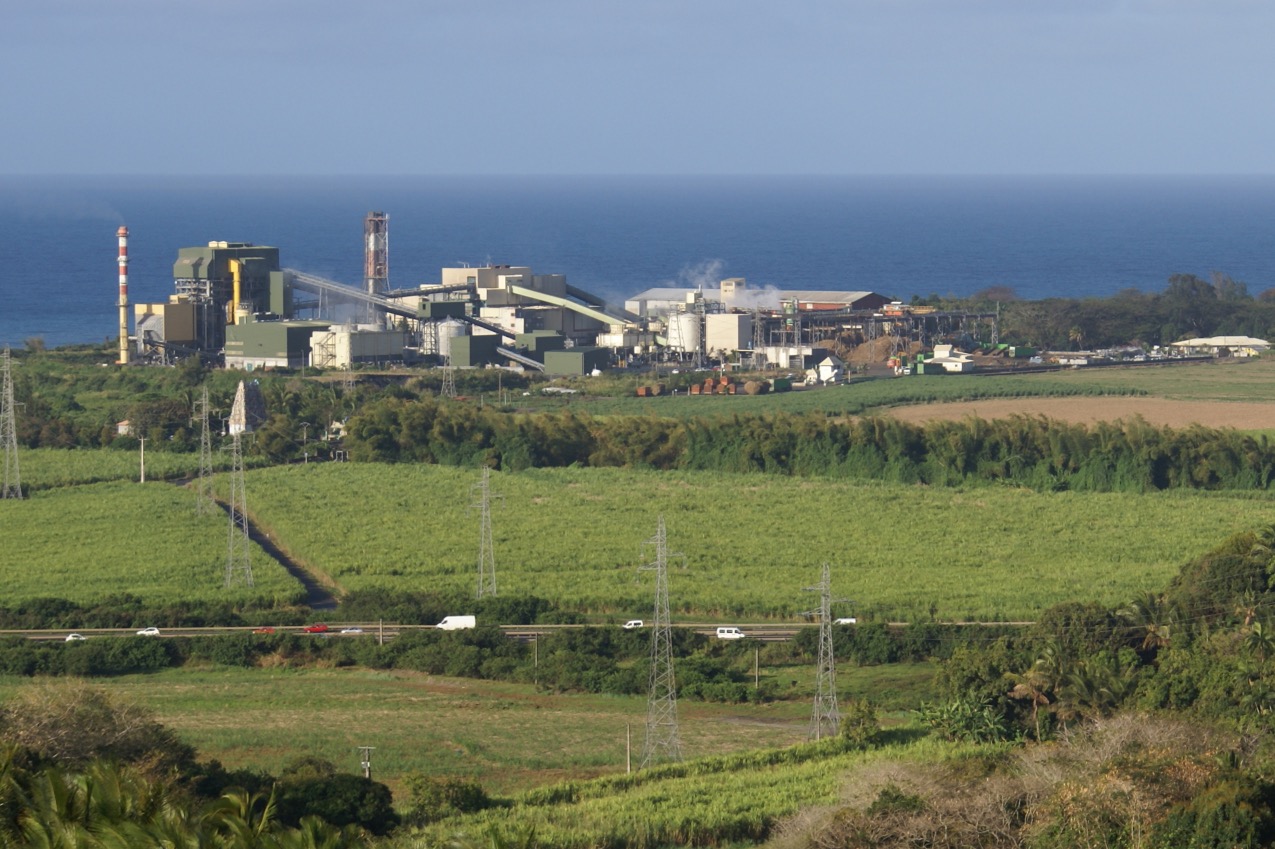
Distillerie de Savanna et Sucrerie de Bois Rouge
À Saint-André, la Sucrerie de Bois Rouge et la Distillerie de Savanna offrent un circuit complet sur la filière canne à sucre réunionnaise, de la récolte au rhum vieilli en fût.
Musée Dann Tan Lontan
Le musée Dann Tan Lontan à Saint-André préserve la mémoire de la vie quotidienne créole réunionnaise : mobilier ancien, outils agricoles et traditions des communautés qui ont façonné l'île.
Want to discover this destination?
Our local advisors design your tailor-made trip.